


Why Tiny Home Builders Talk About Regulations So Much
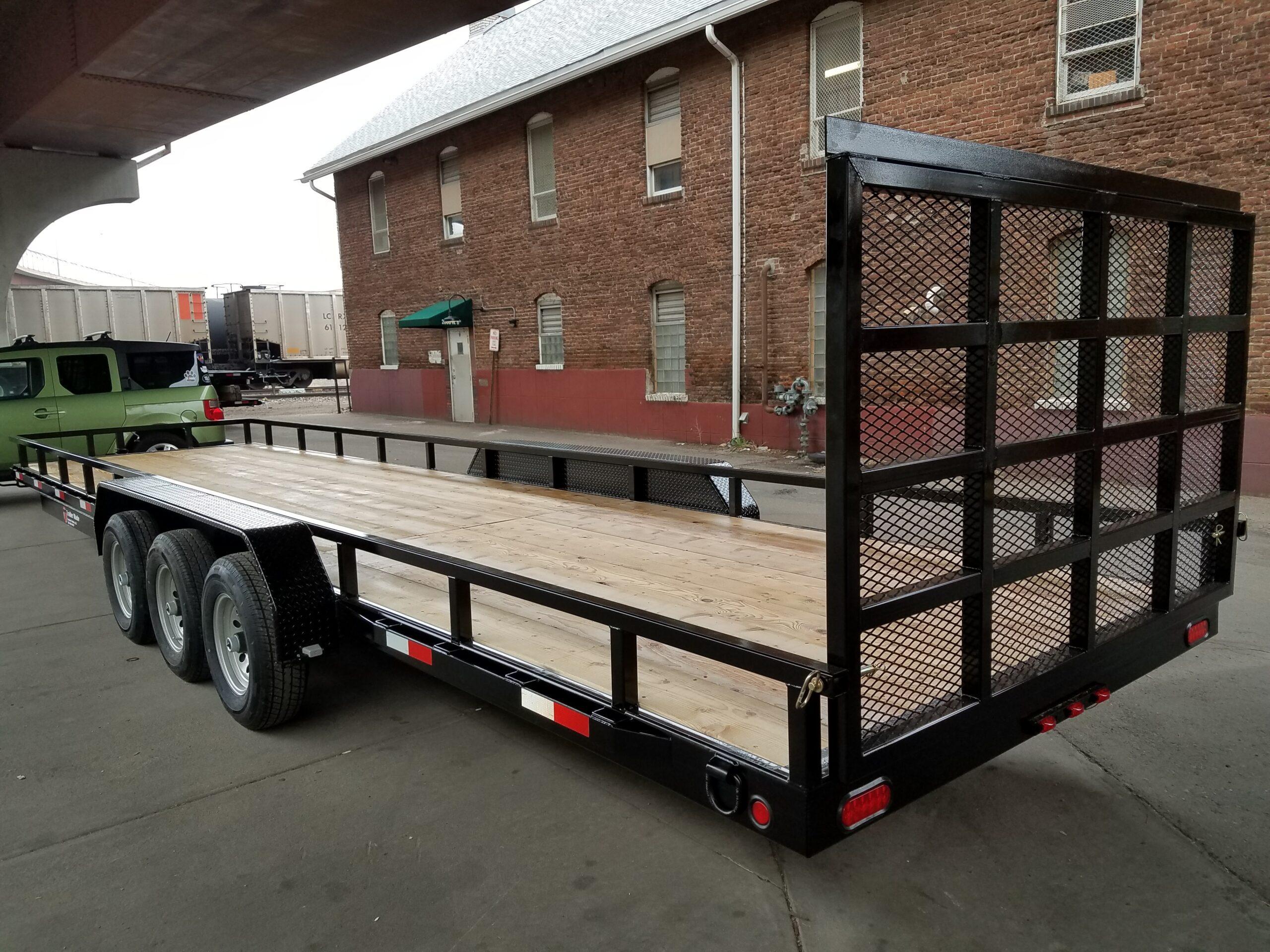
Nobody gets excited about regulations. They’re boring. Paperwork. Rules. Delays. But Tiny Home Builders bring them up constantly, and for good reason. Because tiny house regulations decide whether your home is a safe investment or a future headache waiting quietly. Most people start with design ideas. Floor plans. Loft spaces. Windows. They imagine the lifestyle first. That’s normal. But regulations come first, whether people like it or not.
Tiny homes exist in this weird middle ground between RVs and full houses. That’s where confusion begins. Some fall under residential building codes. Others fall under RV certification. That difference changes everything. Tiny Home Builders who understand regulations protect their clients from costly mistakes. Builders who ignore them create problems that show up later. And later problems cost more.
What Tiny House Regulations Actually Cover In Real Life
Tiny house regulations aren’t just about size limits. They cover structural safety, electrical systems, emergency exits, ceiling heights, stair design. Things most buyers never think about until inspection day.
These rules exist because safety matters more in small spaces. Fire spreads faster. Escape routes matter more. Ventilation becomes critical. Tiny Home Builders follow standards like Appendix Q of the International Residential Code. That section specifically addresses tiny housing structures.
Without compliance, a tiny home may not qualify as legal housing. Insurance companies may refuse coverage. Cities may refuse placement permits. Regulations aren’t there to block people. They exist to protect them. Even if it doesn’t feel that way sometimes.
Why Zoning Laws Create The Biggest Confusion For Tiny Homes
Zoning laws frustrate almost everyone entering tiny home living. Not because they’re impossible, but because they vary so much between locations. Some cities fully allow tiny homes. Others restrict them to accessory dwelling units. Some allow them only in RV parks. Others don’t allow them at all.
Tiny Home Builders help navigate these zoning realities early. They understand where tiny homes can legally exist. Skipping zoning research leads to expensive surprises. People buy homes they can’t legally place. That mistake hurts. Financially and emotionally. Always verify zoning first. Always.
The Difference Between RV Certification And Residential Certification
This distinction confuses buyers constantly. Tiny homes built on trailers often follow RV certification standards. These standards allow mobility. Easier relocation. More flexibility. But RV certification may limit permanent placement in certain residential zones. Residential-certified tiny homes follow traditional housing codes. These homes qualify as permanent dwellings. But they require stricter construction standards. Tiny Home Builders help clients choose the right certification path based on long-term goals. Choosing wrong creates placement problems later. Choosing right avoids them entirely.
Why Tiny Home Builders Focus Heavily On Structural Safety
Structural safety matters more in smaller homes than people realize. Tiny homes concentrate weight into smaller footprints. Roof loads distribute differently. Wind resistance behaves differently. Tiny Home Builders design structures carefully to handle environmental stress. Roofing systems matter. Load-bearing walls matter. Anchoring systems matter. Weak construction fails faster in tiny homes. And when structural problems start, repair options become limited. Strong construction prevents those failures from happening at all. That’s the goal.
Roofing Plays A Bigger Role Than Most Buyers Expect
Roofing protects everything underneath it. Sounds obvious. But people underestimate how critical it becomes in tiny homes. Small structures don’t have extra layers to absorb damage. Water intrusion spreads quickly. Structural wood absorbs moisture faster. Summit Point Roofing helps ensure roofing systems protect tiny homes properly. Proper installation prevents leaks, mold, structural weakening. Tiny Home Builders who partner with roofing professionals protect long-term structural integrity. Roofing mistakes cost thousands later. Proper roofing prevents that loss.

Electrical And Plumbing Regulations Protect Daily Living Safety
Electrical systems in tiny homes require precise planning. Limited space leaves less room for error. Overloaded circuits create fire risks faster. Tiny house regulations specify wiring requirements, outlet placement, breaker sizing.
Plumbing systems require ventilation and drainage compliance too. Improper plumbing causes moisture damage and air quality problems. Tiny Home Builders design these systems carefully to meet code requirements. Cutting corners creates safety hazards. Compliance protects homeowners long term. Even if buyers never see those systems directly.
Why Inspections Matter Even When Builders Claim Compliance
Some builders say their homes meet regulations. That doesn’t always mean verified compliance. Inspections confirm structural integrity, electrical safety, plumbing compliance, roofing durability. Tiny Home Builders who welcome inspections demonstrate confidence in their work. Builders who avoid inspections raise warning signs.
Independent verification protects buyers from hidden construction problems. It’s not about trust alone. It’s about proof. Always insist on inspection documentation. Always.
How Tiny House Regulations Impact Financing And Insurance
Financing tiny homes depends heavily on regulatory compliance. Banks prefer lending on structures built to recognized residential standards. Insurance companies prefer certified structures. Tiny homes without proper certification face limited financing options. Tiny Home Builders who follow regulations help clients qualify for loans and insurance coverage. Compliance improves financial flexibility. Non-compliance limits it severely. This part often surprises buyers most. Regulations affect money directly.
Why Tiny Home Builders Stay Updated On Changing Regulations
Regulations change over time. Cities update zoning laws. Building codes evolve. Safety standards improve. Tiny Home Builders stay current with these changes. They adjust construction methods accordingly. Builders who ignore regulatory changes risk building homes that fail inspection later.
Experienced builders track these updates constantly. That attention protects their clients. Housing isn’t static. Regulations evolve with safety knowledge. Builders must evolve too.
Tiny House Regulations Protect Long-Term Property Value
Properly regulated tiny homes maintain higher resale value. Buyers trust certified homes more. Insurance companies insure them easier. Placement options increase. Tiny Home Builders who follow regulations create legitimate housing assets. Unregulated homes lose value faster. Buyers hesitate. Legal complications arise. Regulatory compliance protects investment value long term. Not immediately. But steadily. That stability matters. Especially later.

Final Thoughts On Working With Tiny Home Builders Who Understand Regulations
Tiny house regulations feel frustrating at first. But they exist to protect homeowners, financially and physically. Working with experienced Tiny Home Builders ensures structural safety, legal compliance, and long-term durability. Regulations don’t block tiny living. They protect it.
Visit Trailer Made Custom Trailers to start your tiny home journey. And trust Summit Point Roofing to protect your home’s structural integrity, ensuring your tiny home remains safe, durable, and secure for years ahead. Build smart. Follow regulations. Protect your investment properly.
FAQs About Tiny Home Builders And Tiny House Regulations
What are tiny house regulations exactly?
Tiny house regulations include building codes, zoning laws, safety standards, and certification requirements governing tiny home construction and placement.
Do Tiny Home Builders handle regulatory compliance?
Yes, professional Tiny Home Builders ensure homes meet safety codes, zoning laws, and certification standards.
Can tiny homes be placed anywhere legally?
No, zoning laws determine where tiny homes can be placed. Always verify local regulations first.
Do tiny homes require inspections?
Yes, inspections confirm structural safety, electrical compliance, and plumbing system integrity.
Why do tiny house regulations matter for resale value?
Homes built to regulation standards maintain higher resale value and qualify for financing and insurance more easily.
 Deutsch
 English
 Arabic
 French
 Spanish
 Portuguese
 Turkish
 Dutch
Dutch
 Italiano
 Russian
 Romaian
 Portuguese (Brazil)
 Greek
Greek