


Expedition from Snowboarding Singapore A Practical Planning Guide
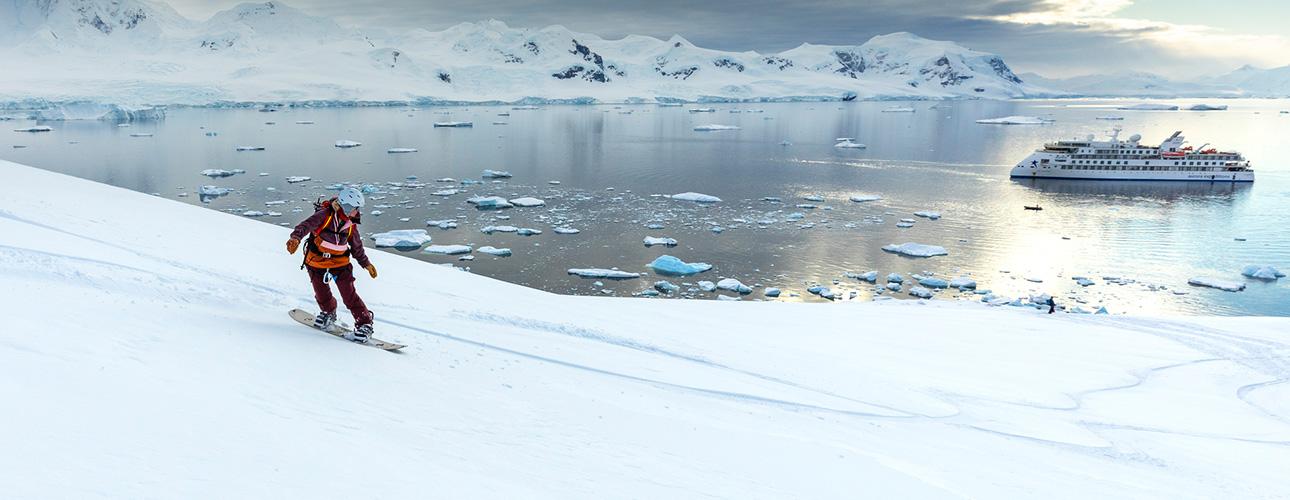
A snowboarding expedition is more than a quick ski trip. You ride for multiple days, move through changing terrain, and manage your energy and safety like a system. You plan around conditions, not just convenience. You also build in recovery and backup options, because weather can change fast.
Why planning matters when you start in the tropics
Singapore has heat and humidity all year. That affects how you train, pack, and adapt. Your first days on snow can feel intense. Dry air, cold wind, and altitude can hit you at the same time. Good preparation reduces injuries and helps you enjoy the learning curve. A snowboarding expedition is more than a quick ski trip.
Choosing destinations and the right season from Singapore
Pick a destination that matches your current level
If you are new, choose resorts with wide groomed runs, clear trail signs, and beginner zones. If you ride confidently, look for a mix of groomers, trees, and natural features. If you want freeride terrain, plan for guides or training and keep your expectations realistic. Progress feels better when the terrain fits your skills.
Time your trip for snow quality and crowd levels
Snow conditions vary by region and month. Many travelers aim for mid-season snow and stable operations. Shoulder periods can bring thinner coverage or warmer days, but also lighter crowds. You should check typical snowfall patterns for your destination, then build flexibility into your schedule so one bad day does not ruin the trip.
Training in Singapore before you touch snow
Build leg strength, balance, and joint control
Snowboarding demands steady knees, strong hips, and good ankle control. You can train this in Singapore with simple strength work and balance drills. Focus on squats, lunges, hip hinges, calf strength, and core stability. Train for control, not just heavy weight. Your knees will thank you on day three.
Improve mobility and reduce injury risk
Cold muscles tighten faster. Mobility work helps you ride longer. Prioritise hips, hamstrings, calves, and thoracic spine rotation. Add short stretching sessions after workouts. Keep it consistent. You want a body that can absorb turns and recover after falls.
Practice board skills off-snow
You can rehearse movement patterns even without a slope. Practice an athletic stance with relaxed ankles and knees. Train quick edge-to-edge shifts with small hops and lateral steps. If you use a balance board, keep sessions short and controlled. The goal is coordination, not tricks.
Gear planning for a snowboarding expedition
Choose layers that manage sweat, not just cold
Singapore riders often overheat under stress, then chill when they stop. Layering solves this. Wear a moisture-wicking base layer, an insulating mid-layer, and a weather shell. Ventilation matters. Zippers and breathable fabrics help you regulate temperature during long runs.
Protect the parts that get injured most
Wrist injuries happen often in beginners. Wear wrist guards if you are learning. A helmet matters at every level. Consider impact shorts if you expect lots of falls. Eye protection matters too. Use goggles suited for flat light and bright days. You will see terrain changes earlier and ride with more confidence.
Packing smart for travel and daily convenience
Pack so you can adapt on the mountain. Bring spare gloves or liners, extra socks, and a small repair kit for quick fixes. Keep hydration and snacks accessible. Cold and altitude reduce appetite cues. You still need fuel.
Travel logistics from Singapore
Plan flights and transfers with recovery in mind
Long travel days reduce performance. If possible, arrive with enough time to sleep before your first full riding day. Choose transfers that are reliable in winter conditions. Road delays happen in snow regions. Build buffer time into your itinerary so you do not rush onto the slopes stressed and tired.
Handle altitude, hydration, and sleep early
Altitude can cause headaches and fatigue. Drink water consistently and limit alcohol early. Sleep becomes your best performance tool. If you feel symptoms, take it seriously and rest. Riding tired increases falls and slows learning.
Budget for the real trip, not just the ticket
A snowboarding expedition includes more than transport. You pay for lift access, rentals if needed, lessons, local transit, meals, and winter extras. You also may need travel insurance that covers snow sports. Plan your costs early so you do not cut safety corners later.
On-snow progression that feels safe and fast
Start with technique, not speed
Speed hides mistakes until it punishes you. Use the first day to rebuild fundamentals. Focus on stance, smooth turns, and controlled stopping. Ride terrain where you can stay relaxed. When you feel calm, you learn faster.
Use lessons or coaching strategically
A short lesson early can fix habits that take weeks to undo. Ask for feedback on edge control, body alignment, and turn shape. Tell the coach your goal for the expedition. You will get a plan that fits your time and level.
Manage fatigue across multiple days
Most people ride too hard on day one. Then they crash on day two. Pace your riding. Take short breaks before you feel exhausted. Eat and drink regularly. Recovery helps you progress more than one extra run.
Safety, conditions, and decision-making
Understand weather, visibility, and snow surfaces
Snow changes during the day. It can be icy in the morning and softer later. Visibility can drop quickly in storms or flat light. Adjust your speed and terrain when you cannot see clearly. If conditions feel unsafe, choose easier runs or take a break indoors.
Ride with a simple risk system
Set a daily plan. Choose the terrain you will ride and the time you will stop. Agree on meeting points if you ride with others. Keep your phone charged and store emergency contacts. Do not rely on luck. Consistent habits reduce accidents.
If you go off-piste, earn it first
Backcountry and sidecountry riding need knowledge, equipment, and training. Avalanche risk exists in many snow regions. If you want that experience, go with qualified guidance and learn the basics of terrain assessment. If you are unsure, stay on marked runs. You can still have an amazing expedition.
Making the expedition smoother and more enjoyable
Handle cold hands, wet gear, and small problems early
Wet gloves ruin a day. Dry gear each night and rotate gloves if you can. Use hand warmers if you run cold. Apply sunscreen even on cloudy days, because snow reflects light. Treat small discomforts early so they do not become big problems.
Respect local mountain rules and culture
Follow signs and closures. Give space to slower riders. Keep noise and litter low. Mountains operate on shared etiquette. When you ride with respect, everyone has a better day.
Conclusion
A snowboarding expedition from Singapore works best when you treat it like a project. You choose a suitable destination and season. You train your legs, balance, and mobility before the trip. You pack layers that handle sweat and cold. You plan to travel so you arrive rested. Then you ride with good technique, smart pacing, and clear safety habits. With that approach, you will progress faster and enjoy every day on snow.
Frequently asked questions for Singapore travelers
How many days do I need for a real snowboarding expedition?
Aim for at least four to six riding days if you can. That gives time for learning, rest, and changing conditions. Shorter trips still work, but progress feels slower because travel takes a big chunk of your energy.
Should I rent or buy gear for my first expedition?
If you are new, renting a board and boots often makes sense. You can test sizes and styles. Buying outerwear and protective gear can still be worth it for comfort and fit. As you improve, owning boots becomes a strong upgrade because fit drives control.
How do I avoid getting exhausted too quickly?
Train legs and core before you go, sleep well on arrival, hydrate, and pace your runs. Warm up gently. Stop before your technique collapses. Fatigue causes most falls.
 English
 Arabic
 French
 Spanish
 Portuguese
 Deutsch
 Turkish
 Dutch
Dutch
 Italiano
 Russian
 Romaian
 Portuguese (Brazil)
 Greek
Greek