


Unlocking the Power of Intent Data and Location Marketing
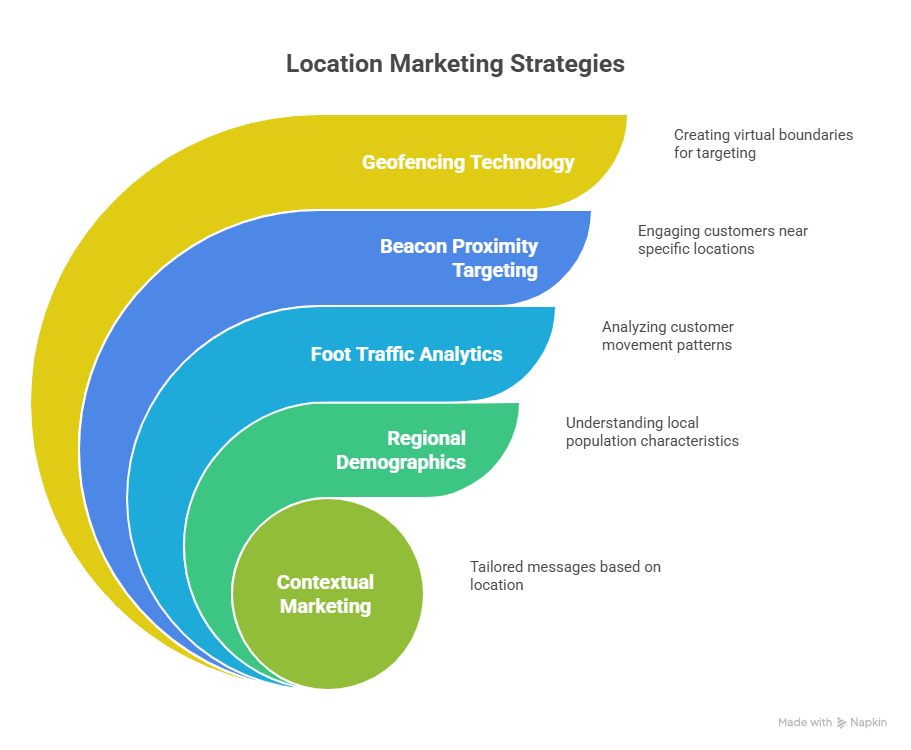
In today’s data-driven economy, understanding not just who your customers are but what they intend to do is the true competitive advantage. Businesses that combine behavioral insights with geographic intelligence are seeing higher engagement, better conversions, and stronger ROI. Unlocking the Power of Intent Data and Location Marketing enables brands to deliver personalized, timely, and context-aware experiences that influence purchasing decisions both online and offline.
Below, we explore how this powerful combination transforms modern marketing strategies.
What Is Intent Data?
Intent data refers to behavioral signals that indicate a consumer’s likelihood to make a purchase or take a specific action.
These signals may include:
- Search queries for specific products or services
- Website visits and content consumption
- Engagement with ads or emails
- Product comparisons and reviews
- App activity and browsing behavior
Intent data helps marketers identify prospects who are actively researching or considering a solution—allowing outreach at the most critical decision-making stage.
Understanding Location Marketing
Location marketing focuses on engaging customers based on their physical presence or geographic patterns.
It uses:
- GPS and mobile device data
- Geofencing technology
- Beacon proximity targeting
- Regional demographic insights
- Foot traffic analytics
By targeting consumers based on where they are or where they frequently visit, brands can create highly contextual marketing campaigns.
Why Combining Intent Data and Location Marketing Matters
Individually, both strategies are powerful. Together, they create precision targeting that drives measurable results.
Instead of targeting all consumers within a city, businesses can:
- Reach users actively searching for similar products
- Engage customers visiting competitor locations
- Send offers when high-intent users are near a store
- Personalize promotions based on regional buying behavior
This combination reduces wasted ad spend and increases campaign effectiveness.
Key Strategies for Unlocking the Power of Intent Data and Location Marketing
1. Identify High-Intent Audiences Near Physical Locations
By layering search behavior with location data, brands can identify users who are both interested and nearby.
For example:
- A user researching “best running shoes” who frequently visits sports retailers
- A customer browsing restaurant reviews while walking in a dining district
These signals indicate strong purchase readiness, making targeted promotions more likely to convert.
2. Use Geofencing to Capture Competitor Traffic
Geofencing creates virtual boundaries around competitor stores or high-traffic areas.
With intent data, brands can:
- Serve ads to users who recently searched for related products
- Offer time-sensitive discounts
- Highlight differentiators such as price or quality
- Encourage immediate store visits
This real-time engagement can influence purchasing decisions before customers commit elsewhere.
3. Personalize Messaging Based on Local Context
Location-based personalization increases relevance and engagement.
Brands can tailor messaging to:
- Seasonal trends in specific regions
- Local events or holidays
- Neighborhood demographics
- Weather conditions
When combined with behavioral intent signals, campaigns feel timely and meaningful rather than intrusive.
4. Optimize Budget Allocation with Predictive Insights
Intent data helps identify which regions or audiences are most likely to convert.
Marketers can:
- Analyze performance by geography
- Focus on high-intent clusters
- Reduce spend in low-performing areas
- Allocate resources dynamically
This predictive approach ensures marketing dollars generate maximum impact.
5. Strengthen Omnichannel Engagement
Consumers move seamlessly between digital and physical channels. Intent data bridges this gap.
Examples include:
- Retargeting store visitors with online ads
- Sending push notifications when high-intent users are nearby
- Following up with personalized email offers
- Measuring offline conversions from digital campaigns
This creates a consistent and connected customer journey.
Benefits of Integrating Intent and Location Data
When properly implemented, this strategy delivers:
- Higher conversion rates
- Improved foot traffic
- More accurate audience segmentation
- Increased return on ad spend (ROAS)
- Better customer acquisition efficiency
Most importantly, it shifts marketing from reactive outreach to proactive engagement.
Challenges to Consider
Despite its advantages, marketers must navigate several challenges:
- Data privacy compliance (GDPR, CCPA, and similar regulations)
- Data accuracy and integration issues
- Avoiding excessive targeting
- Maintaining consumer trust
Transparency and ethical data use are critical for sustainable success.
The Future of Intent-Driven Location Marketing
Advancements in AI and machine learning are making intent signals more predictive than ever. Real-time analytics, improved mobile tracking, and advanced attribution models are enhancing accuracy and scalability.
As consumer expectations for personalization grow, brands that effectively combine intent data with geographic intelligence will gain a significant competitive edge.
Final Thoughts
Unlocking the Power of Intent Data and Location Marketing is about connecting behavioral insights with real-world context. It empowers brands to engage consumers at the right place, at the right time, with the right message.
In a world where attention is limited and competition is fierce, precision marketing is no longer optional—it’s essential. By integrating intent signals with location-based strategies, businesses can drive smarter decisions, stronger engagement, and sustainable growth.
Hashtags
#IntentData #LocationMarketing #DigitalAdvertising #MarTech #CustomerExperience

 English
 French
 Spanish
 Portuguese
 Deutsch
 Turkish
 Dutch
Dutch
 Italiano
 Russian
 Romaian
 Portuguese (Brazil)
 Greek
Greek