


The Ultimate Guide to Log Cabin Caulking: Tips and Best Practices
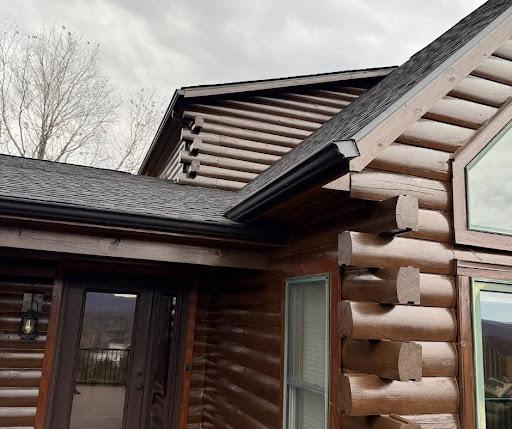
If you’ve ever lived in a log cabin, or even just spent time around one, you know they’re beautiful. There’s nothing like the smell of fresh pine logs, the warm glow from the windows in the evening. But here’s the thing — as much as log cabins look effortless, they demand care. And one of the most overlooked parts of keeping a cabin snug and structurally sound is proper caulking. I’m talking about the real deal, the stuff that seals gaps, keeps drafts out, and stops water from slowly destroying your cabin from the inside. Yep, log cabin caulking is more than a cosmetic thing. Do it wrong, and you’re basically inviting rot, bugs, and a headache that can cost way more than a little tube of sealant.
Why log cabin caulking matters
Caulking might sound simple. You squeeze some goop into a crack and call it a day, right? Not really. Logs expand and contract with temperature changes. Humidity swings. They settle over time. And if your caulking isn’t flexible enough, or the wrong type, you’re in for leaks. Water will find its way into every tiny gap, and suddenly you’re not just sealing cracks — you’re dealing with log cabin repair rotten logs. That’s expensive, time-consuming, and honestly, it’s frustrating as hell when you see it starting. So yeah, caulking might seem minor, but in the grand scheme of keeping your cabin standing and cozy, it’s one of the first lines of defense.
Timing and preparation
Most people think caulking is something you can slap on whenever. Wrong. The timing is everything. Your logs need to be dry. I can’t stress that enough. Moisture trapped behind fresh caulking is a fast-track ticket to mold or rot. Some folks like to caulk in the summer when everything’s warm and dry. That’s smart. Cold weather? Forget it. The caulk won’t set properly, and you’ll just waste your time. Prep is key. Clean the gaps, scrape off old, failing caulk, vacuum or blow out dirt and debris. Any loose stuff will prevent adhesion. And if you’re lazy about prep, expect cracks to reopen within a year. Seriously, it’s one of those steps you don’t skip unless you like paying more later.
Choosing the right caulk
This is where people get tripped up. Not all caulks are created equal, and a standard silicone from the hardware store might not cut it. Look for something that can flex with your logs. Logs move. That’s nature. So the caulk has to move too. If it’s rigid, it cracks, shrinks, or pulls away. Polyurethane caulk is a solid choice. It sticks well to wood, holds up against sun, rain, snow — all the elements your cabin faces. But it’s messy, hard to smooth, and sometimes the smell is rough, so ventilate. Acrylic latex caulk? Easier to work with, paintable, but can dry too stiff for some cabins. You’ll probably end up balancing flexibility with durability. No magic formula, just knowing your logs and climate.
Techniques for effective caulking
Here’s where a lot of DIYers mess up. You can’t just run a bead along the seam and walk away. Cut the tip right. Angle it to fit the crack. Don’t overfill, don’t underfill. Tooling the caulk after you lay it down is critical. Use a spatula or your finger. Wet it if necessary, just make it smooth so it sticks to the edges and fills the gap completely. If you leave air pockets, water will find them. Water is sneaky. You’ll think everything looks perfect, then the first heavy rain proves otherwise. And don’t forget to check high-risk spots: corners, where logs meet porches, around windows and doors. Those are the weak points where drafts and water sneak in first.
Maintaining your caulking
Caulking isn’t a one-and-done job. Your cabin moves, seasons change. Inspect your seals at least once a year. If you see cracks, gaps, or peeling, fix them fast. A tiny tear now is easier to handle than full-blown log rot later. And this ties into another critical part — log cabin repair rotten logs. If you ignore minor leaks, water will start to break down the wood fibers. Rotten logs are heavy, expensive, and can compromise your entire structure. Keep a close eye. Your caulking maintenance is basically your first defense line.
Weatherproofing and protection
Once your caulk is set, it’s not really over. Wood expands, contracts, gets wet, dries, gets sun, and the cycle continues. Some people coat their logs with a sealant or stain that also covers caulking lines. This adds another layer of protection, keeps UV rays from degrading your seal, and prevents water from wicking into tiny cracks. Don’t overdo it. Too much coating can trap moisture, which is ironically what you’re trying to avoid. It’s a balancing act — let your wood breathe but protect the vulnerable spots. The caulk alone isn’t enough. Think of it like a zipper; the caulk closes the gap, but your stain or finish keeps the elements from attacking the wood directly.
Common mistakes to avoid
So many cabin owners make the same dumb errors. First, skipping inspection. I can’t stress this enough. You don’t notice the problem until it’s huge. Second, applying caulk over wet or dirty logs. That’s like painting a wall with peeling wallpaper still on it. It won’t stick. Third, choosing the wrong caulk. Cheap stuff might look fine for a year, then fail. And finally, ignoring movement. Logs shift. Caulk that can’t stretch will crack. Don’t let convenience be your enemy. Take your time, use the right materials, and understand your cabin.
DIY or professional?
Here’s the blunt truth. You can totally caulk your cabin yourself if you’re willing to learn, take your time, and put in the prep work. But if you’re staring down major gaps or suspect your logs are already compromised, a professional can save you headaches. Especially if log cabin repair rotten logs is already in play. They can identify hidden rot, treat it, and seal the cabin properly. DIY is fine for maintenance, small gaps, or preventive work. But don’t overestimate your skill on large structural problems.
Seasonal considerations
Caulking in spring, summer, and early fall usually works best. Avoid late fall or winter unless you live somewhere mild. Temperature affects how the caulk adheres and cures. Too cold, it won’t set; too hot, it might cure too fast and shrink. Humidity matters too. A damp day can ruin your work if moisture gets trapped under the bead. Paying attention to seasonal timing is a key part of smart log house maintenance, helping prevent premature failure and costly repairs. Watch the forecast, plan your work, and don’t rush. Timing can make the difference between a caulk job that lasts ten years versus one that’s failing in months.
Final thoughts on long-term cabin care
Caulking isn’t glamorous. It’s not the part of cabin life that makes people swoon. But it’s essential. Done right, it saves you money, keeps your cabin cozy, and prevents structural damage. Done poorly, and you’re chasing leaks, drafts, and rotten logs for years. Keep it simple: prep well, choose flexible caulk, follow proper application methods, inspect regularly, and don’t skip maintenance. Log cabins are living structures; they move, breathe, and respond to weather. Respect that, and your caulking will do its job. Ignore it, and well… you’ll learn the hard way.
At the end of the day, log cabin caulking isn’t rocket science. It’s just detail work done consistently, patiently, and with the right materials. Protecting your investment, avoiding log cabin repair rotten logs, and keeping your space warm and dry — that’s the payoff. If you approach it with the mindset that this is part of the ongoing love and care of your cabin, it’s not a chore, it’s part of the craft. Treat it like that, and your cabin will thank you every winter, every storm, and every quiet evening on the porch.
 English
 Arabic
 French
 Spanish
 Portuguese
 Deutsch
 Turkish
 Dutch
Dutch
 Italiano
 Russian
 Romaian
 Portuguese (Brazil)
 Greek
Greek