


The Role of Safe Spaces in Psychedelic Healing Journeys
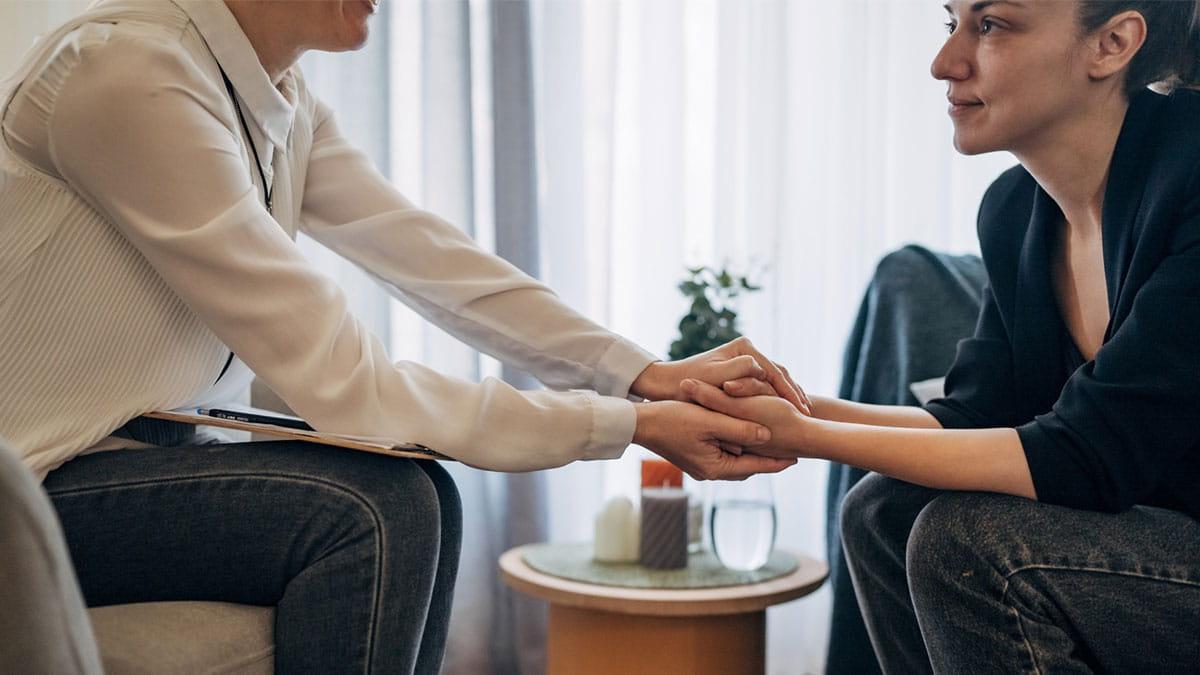
As psychedelic-assisted therapy becomes an increasingly discussed approach in mental health care, one factor consistently stands out as essential to its effectiveness: the environment in which the experience takes place. Often referred to as the “setting,” the physical, emotional, and psychological space surrounding a psychedelic session plays a major role in shaping both the experience itself and the long-term healing outcomes.
In psychedelic work, healing is not only influenced by the substance or the therapeutic method. It is deeply affected by whether the individual feels safe, supported, and respected throughout the journey. This is why professionals and training organizations such as Changa Institute emphasize the creation of intentional safe spaces as a foundation of responsible psychedelic care.
What Does “Safe Space” Mean in Psychedelic Therapy?
A safe space in psychedelic healing is more than just a comfortable room. It refers to a carefully designed environment that supports emotional openness, psychological stability, and trust.
This includes three main dimensions:
Physical safety – The environment is calm, secure, and free from interruptions or risks.
Emotional safety – The participant feels respected, supported, and free from judgment.
Psychological safety – The person feels able to explore thoughts and emotions without fear of being overwhelmed or misunderstood.
When these elements are present, individuals are far more likely to engage deeply with their experience rather than resist or shut down.
Why Safety Is Central to Psychedelic Healing
Psychedelic experiences can heighten perception, emotions, and introspection. This can make them powerful tools for healing, but it also means that the surrounding environment has a strong influence on the outcome.
If a person feels anxious, unsafe, or exposed, the experience may become stressful rather than therapeutic. Conversely, when the environment feels calm and supportive, individuals are more likely to explore memories, emotions, and insights constructively.
Safe spaces help:
-
Reduce fear and resistance
-
Encourage emotional openness
-
Support deep introspection
-
Allow difficult memories to surface safely
-
Promote trust in the process
For many participants, the sense of safety provided by the environment becomes the anchor that allows meaningful psychological work to occur.
The Physical Environment: Designing Comfort and Stability
The physical setting of a psychedelic session plays a surprisingly powerful role. Elements such as lighting, sound, temperature, and furniture can influence how grounded or vulnerable someone feels.
Professional psychedelic spaces are often designed to feel warm and non-clinical. Instead of resembling a hospital room, they may include:
-
Soft lighting rather than harsh fluorescent lights
-
Comfortable seating or resting areas
-
Minimal visual clutter
-
Calming artwork or natural elements
-
Access to blankets, water, and grounding objects
These details may seem small, but they help signal to the nervous system that the environment is secure. When the body feels safe, the mind is more willing to explore deeper emotional territory.
Training programs connected to organizations like Changa Institute often teach facilitators how to design environments that support psychological stability intentionally.
Emotional Safety: The Role of the Facilitator
While the physical setting matters, emotional safety is often even more important. The presence and behavior of the facilitator or therapist strongly influence how secure a participant feels.
A trained facilitator helps create safety by:
-
Maintaining a calm and grounded presence
-
Communicating clearly before the session
-
Respecting boundaries at all times
-
Offering reassurance without directing the experience
-
Listening without judgment during integration
Participants often enter psychedelic sessions with vulnerability, uncertainty, or fear. A supportive facilitator helps transform that vulnerability into trust, allowing the individual to engage with the process rather than resist it.
This relational safety is one of the key reasons structured psychedelic programs emphasize professional training rather than informal guidance.
Psychological Safety: Preparing the Mind
Safe spaces are not created only by rooms and facilitators; they also involve preparing the participant mentally.
Preparation sessions typically help individuals:
-
Understand what to expect from the experience
-
Clarify intentions or therapeutic goals
-
Learn grounding techniques
-
Discuss fears or concerns beforehand
-
Build trust with the facilitator
This preparation reduces uncertainty, which is one of the biggest sources of anxiety in psychedelic experiences. When individuals feel informed and supported, they are more likely to approach the journey with openness rather than apprehension.
Cultural and Personal Sensitivity in Safe Spaces
Another important element of safety is respect for the participant’s background, identity, and personal beliefs. What feels safe for one person may not feel safe for another.
Professionals creating psychedelic healing environments increasingly consider:
-
Cultural background and spiritual beliefs
-
Trauma history and triggers
-
Gender and identity considerations
-
Personal comfort preferences
-
Language and communication style
By tailoring the environment to the individual, facilitators help ensure the space truly supports healing rather than unintentionally creating discomfort.
The Role of Safe Spaces in Trauma Work
Safe spaces are especially critical when psychedelic therapy is used for trauma recovery. Trauma survivors often carry heightened sensitivity to threat and unpredictability, meaning that even small environmental stressors can feel overwhelming.
A carefully structured environment can help counteract this by providing:
-
Predictability and structure
-
Gentle pacing of the experience
-
Permission to pause or rest
-
Emotional reassurance
-
Consistent support before and after the session
When participants feel secure enough to explore difficult memories without being retraumatized, deeper healing becomes possible.
Integration: Extending the Safe Space Beyond the Session
The importance of safety does not end when the psychedelic experience concludes. Integration sessions — the process of reflecting on and applying insights — are where long-term healing often takes shape.
A safe integration space allows individuals to:
-
Share their experience openly
-
Make sense of emotional or symbolic insights
-
Connect the experience to real-life challenges
-
Develop practical steps for change
-
Feel supported as they adjust to new perspectives
Without this continued sense of safety, powerful experiences may fade or feel confusing rather than transformative.
How Safe Spaces Support Long-Term Outcomes
Research and professional observation increasingly suggest that the effectiveness of psychedelic therapy depends heavily on the quality of the environment surrounding it.
Safe spaces contribute to:
-
Reduced likelihood of distressing experiences
-
Greater emotional processing during sessions
-
Stronger trust between participant and facilitator
-
More meaningful integration afterward
-
Improved long-term psychological outcomes
In many ways, the environment acts as a container that holds the entire healing process together.
The Future of Safe-Space Design in Psychedelic Care
As psychedelic therapy becomes more structured and professionalized, safe-space design is likely to become a recognized specialization within the field.
Future developments may include:
-
Standardized guidelines for therapeutic environments
-
Trauma-informed design principles for treatment centers
-
Expanded facilitator training in emotional safety
-
Personalized environment planning for each client
-
Greater collaboration between therapists, designers, and researchers
Institutions like Changa Institute are already contributing to this shift by emphasizing that safe spaces are not optional extras but central components of ethical psychedelic care.
Conclusion
Psychedelic healing journeys are shaped not only by the therapeutic method but by the environment in which they unfold. Safe spaces — physical, emotional, and psychological — provide the foundation that allows individuals to explore deeply, process meaningfully, and integrate lasting change.
As psychedelic therapy continues to evolve, the importance of intentional, well-supported environments will only grow. With professional training programs and organizations helping define best practices, safe-space design is becoming one of the most important elements in ensuring psychedelic healing is both effective and responsible.
 Italiano
 English
 Arabic
 French
 Spanish
 Portuguese
 Deutsch
 Turkish
 Dutch
Dutch
 Russian
 Romaian
 Portuguese (Brazil)
 Greek
Greek