


Mastering the Kocher Surgery Instrument: Uses and Benefits
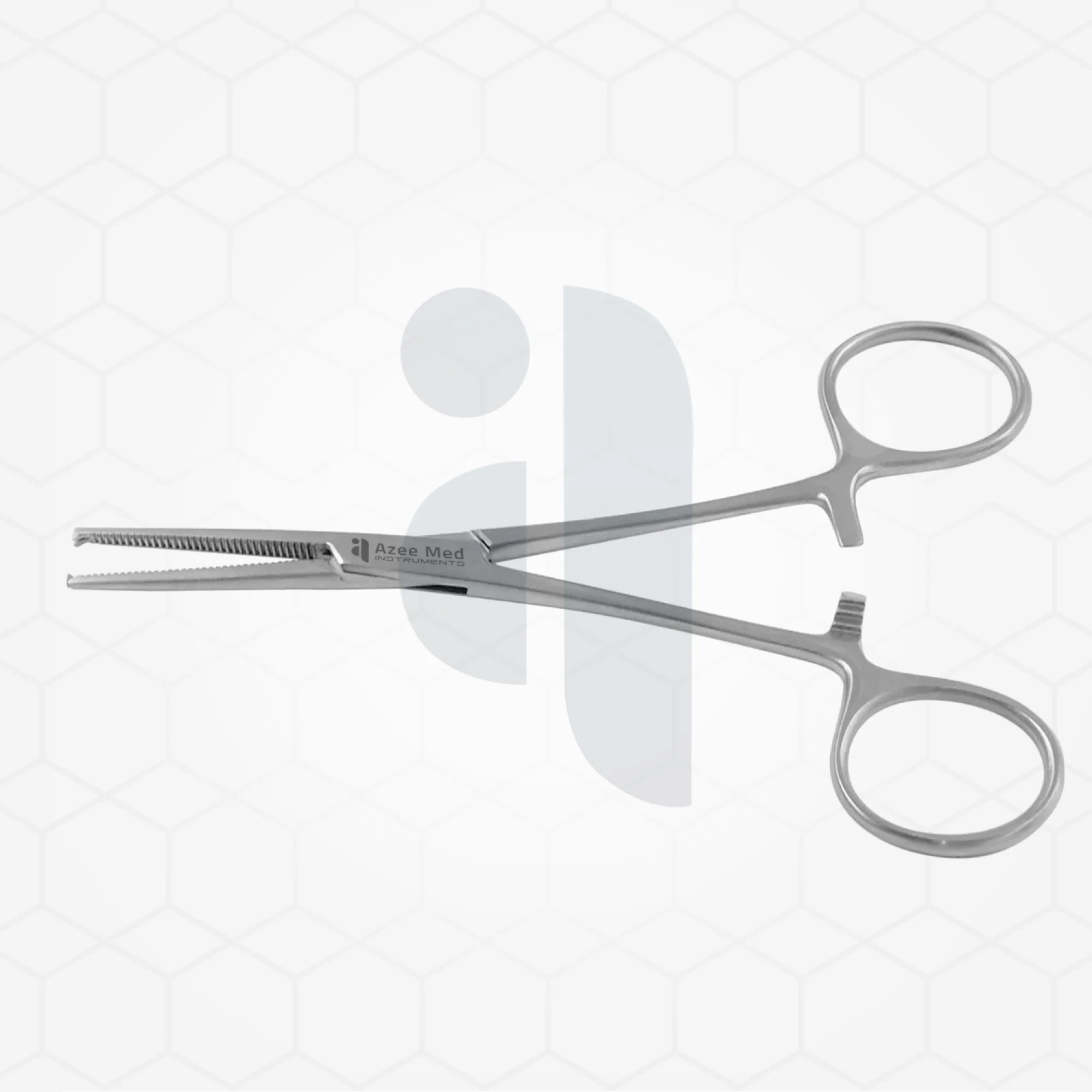
Surgical procedures demand a level of precision that relies entirely on the quality and specific function of the tools at hand. Among the vast array of medical devices available to modern surgeons, few have maintained their relevance and utility quite like the hemostat designed by Nobel Prize winner Emil Theodor Kocher. The kocher surgery instrument is a heavy, straight, or curved forcep characterized by its ability to aggressively grasp medium to heavy tissue. Originally developed in the late 19th century, this tool remains a staple in operating rooms globally, favored for its traumatic grip which creates a secure hold on tissues that are often destined for removal.
%20Artery%20Forcep-1000x1000.jpg.webp)
Specialized Applications and Comparison
The specific design of this hemostat dictates its primary applications in the medical field. Because the jaws of the instrument feature transverse serrations and 1x2 interlocking teeth at the tips, it is considered a traumatic instrument. This means it is ideally suited for grasping tough structures such as fascia, scalp, or bone fragments where a firm grip is more critical than tissue preservation. Surgeons frequently employ the kocher surgery instrument during procedures like thyroidectomies, gallbladder removal, or when clamping bleeders in deep wounds. This aggressive utility stands in contrast to other specialized tools found on the surgical tray. For instance, duval forceps are typically employed when handling delicate lung tissue, as their triangular, fenestrated tips allow for a grasp that minimizes trauma. While a surgeon might reach for lung-grasping forceps to preserve the integrity of a delicate organ, they will invariably choose the Kocher when the priority is leverage and unwavering control over tough, fibrous tissue.
Precision in Modern Surgery
Despite the rapid advancement of robotic assistance and laser technologies in medicine, manual instruments continue to play a pivotal role in successful outcomes. The tactile feedback provided by a high-quality stainless steel tool offers surgeons a direct connection to the operative site that automated systems cannot yet fully replicate. The enduring presence of the kocher surgery instrument in modern surgical packs serves as a testament to its fundamental design perfection. It allows for the manipulation of heavy tissue without slipping, a risk that could lead to inadvertent damage to surrounding nerves or vessels. Whether used to occlude large blood vessels or to hold tissue taut during dissection, the instrument provides a mechanical advantage that enhances human dexterity.
Why Professionals Choose Quality Instruments
The difference between a successful surgery and a complicated one can sometimes come down to the integrity of the steel used in the manufacturing process. Surgeons and procurement managers understand that investing in premium medical devices is a matter of patient safety. A well-crafted kocher surgery instrument must withstand repeated sterilization cycles, resist corrosion, and maintain precise alignment of its interlocking teeth over years of use. Inferior metals can lead to instrument fatigue, where the locking ratchet fails or the jaws warp, potentially causing complications during critical moments. Azeemed Instruments is dedicated to providing high-quality surgical tools that meet the needs of professionals who refuse to compromise on these standards. By sourcing instruments from reputable manufacturers, medical facilities ensure that their surgical teams are equipped with reliable, durable tools that perform consistently under pressure.
Equipping for Success
The landscape of medical technology is constantly shifting, yet the fundamental need for reliable, manual hemostats has not diminished. From general surgery to orthopedics, the ability to securely clamp and manipulate tissue is a cornerstone of operative technique. As surgeons continue to navigate complex procedures, they will likely continue to reach for the kocher surgery instrument to ensure efficiency and safety. Ensuring that operating theaters are stocked with such dependable, high-grade instrumentation is the first step toward maintaining the high standards of care that patients expect and deserve.
 Russian
 English
 Arabic
 French
 Spanish
 Portuguese
 Deutsch
 Turkish
 Dutch
Dutch
 Italiano
 Romaian
 Portuguese (Brazil)
 Greek
Greek