


How Marine Propulsion Systems Work: Types, Components & Applications
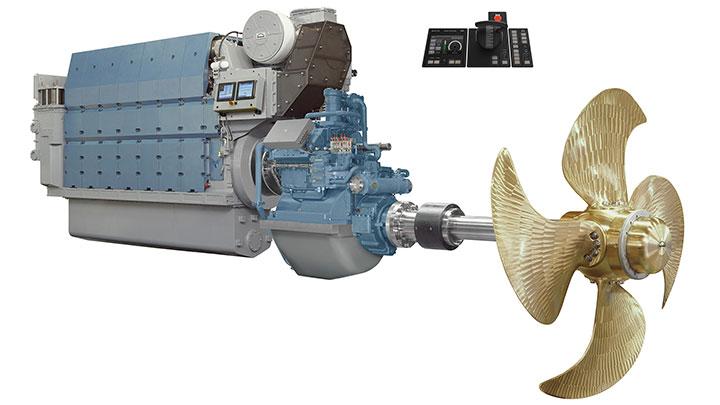
Ships move across vast oceans carrying cargo, passengers, and critical supplies every day. But have you ever wondered what actually pushes a massive vessel forward through water? The answer lies in a marine propulsion system.
In simple terms, a marine propulsion system converts power into thrust, allowing a vessel to move in water. While the concept sounds straightforward, the technology behind it combines engineering precision, efficiency planning, and environmental considerations.
In this guide, we’ll break down how marine propulsion systems work, explore their types, understand their main components, and look at where they are commonly used.
What Is a Marine Propulsion System?
A marine propulsion system is the complete mechanism that generates and transfers power to move a ship or boat forward.
It typically includes:
-
A power source (engine or motor)
-
A transmission system
-
A propulsor (like a propeller or waterjet)
The system works together to create thrust. That thrust pushes water backward, which in turn pushes the vessel forward. This principle follows Newton’s third law of motion — for every action, there is an equal and opposite reaction.
How Marine Propulsion Systems Work
To understand how it works, let’s simplify it step by step.
Step 1: Power Generation
The process begins with an engine or motor. Traditionally, vessels use diesel engines. Modern ships may use gas turbines, electric motors, or hybrid systems.
The engine produces rotational energy.
Step 2: Power Transmission
This energy moves through a shaft system. The shaft connects the engine to the propeller. In some systems, gearboxes adjust speed and torque to match the vessel’s operational needs.
Step 3: Thrust Creation
The propeller rotates and pushes water backward. As water moves backward, the vessel moves forward.
That’s the core working principle of most marine propulsion systems.
Main Components of a Marine Propulsion System
Every propulsion setup includes key components that work together efficiently.
1. Engine or Motor
The engine generates power. Common options include:
-
Diesel engines
-
Gas turbines
-
Electric motors
-
Hybrid systems
Diesel engines remain widely used due to reliability and fuel efficiency.
2. Gearbox
The gearbox adjusts rotational speed. Ships often require high torque at lower speeds, especially during maneuvering.
3. Shaft
The shaft transfers power from the engine to the propeller. It must be strong enough to handle heavy torque loads.
4. Propeller
The propeller converts rotational motion into thrust. It is one of the most critical components of the marine propulsion system.
Different vessels use different propeller designs depending on speed and efficiency requirements.
5. Control Systems
Modern ships include automated monitoring systems. These systems optimize fuel use, engine load, and overall performance.
Types of Marine Propulsion Systems
Marine propulsion technology has evolved significantly. Let’s explore the most common types.
1. Diesel Mechanical Propulsion
This is the traditional system used in many commercial ships.
The diesel engine directly drives the propeller through a shaft.
Best for:
Cargo ships, tankers, bulk carriers
Advantages:
-
Reliable
-
Fuel efficient
-
Easy maintenance
2. Diesel-Electric Propulsion
In this setup, diesel engines generate electricity. Electric motors then drive the propeller.
This system provides flexibility and better control.
Best for:
Cruise ships, research vessels, offshore support vessels
Advantages:
-
Quieter operation
-
Flexible engine placement
-
Improved maneuverability
3. Gas Turbine Propulsion
Gas turbines produce high power with lightweight equipment.
Best for:
Naval ships, high-speed vessels
Advantages:
-
High speed
-
Compact design
Disadvantages:
-
Higher fuel consumption
4. Hybrid Propulsion Systems
Hybrid systems combine diesel engines with electric motors.
These systems improve fuel efficiency and reduce emissions.
Best for:
Modern eco-friendly vessels
5. Waterjet Propulsion
Instead of a traditional propeller, waterjets use high-pressure water expelled from the rear of the vessel.
Best for:
Fast ferries, patrol boats, luxury yachts
Advantages:
-
High maneuverability
-
Safe in shallow waters
6. Azimuth Thrusters
Azimuth propulsion units can rotate 360 degrees. This eliminates the need for a traditional rudder.
Best for:
Offshore vessels, tugboats
Advantages:
-
Superior maneuverability
-
Improved docking control
Applications of Marine Propulsion Systems
Marine propulsion systems are used across various industries. The choice depends on vessel type, operational needs, and efficiency goals.
Commercial Shipping
Large container ships and oil tankers rely on diesel mechanical propulsion for long-distance travel and heavy cargo transport.
Cruise Industry
Cruise ships prefer diesel-electric systems for smooth operation and reduced noise levels, ensuring passenger comfort.
Naval and Defense
Naval vessels require speed and agility. Gas turbines and hybrid systems often power these ships.
Offshore Oil & Gas
Offshore support vessels use azimuth thrusters for precise positioning near drilling platforms.
Fishing and Small Boats
Small vessels often use simpler propulsion systems designed for cost efficiency and easy maintenance.
Efficiency and Environmental Considerations
The maritime industry faces increasing pressure to reduce emissions and fuel consumption.
Modern marine propulsion systems focus on:
-
Lower fuel usage
-
Reduced carbon emissions
-
Smart monitoring systems
-
Alternative fuels such as LNG and hydrogen
Energy-efficient propulsion reduces operating costs while supporting environmental regulations.
Challenges in Marine Propulsion Systems
Despite technological improvements, propulsion systems still face challenges:
-
High installation cost
-
Fuel price fluctuations
-
Maintenance complexity
-
Emission regulations
Engineers constantly work on improving performance while minimizing environmental impact.
The Future of Marine Propulsion Systems
Innovation continues to shape the industry.
Future trends include:
-
Fully electric ships
-
Hydrogen-based propulsion
-
AI-powered performance monitoring
-
Autonomous vessel integration
As sustainability becomes a priority, propulsion systems will focus more on efficiency and green energy solutions.
Conclusion
Marine propulsion systems play a crucial role in global transportation and maritime operations. From traditional diesel engines to advanced hybrid and electric systems, propulsion technology continues to evolve.
Understanding how marine propulsion systems work helps shipowners, engineers, and maritime professionals make informed decisions about efficiency, cost, and sustainability.
Whether it’s a cargo ship crossing oceans or a high-speed ferry navigating coastal waters, the propulsion system remains the heart of every vessel.
Frequently Asked Questions
1. What is the most common marine propulsion system?
Diesel mechanical propulsion remains the most common system in commercial shipping due to reliability and fuel efficiency.
2. Which marine propulsion system is best for eco-friendly operations?
Hybrid and electric propulsion systems offer lower emissions and better fuel efficiency, making them suitable for sustainable maritime operations.
3. How long does a marine propulsion system last?
With proper maintenance, a marine propulsion system can last 20–30 years or more, depending on usage and operational conditions.
 Greek
Greek
 English
 Arabic
 French
 Spanish
 Portuguese
 Deutsch
 Turkish
 Dutch
Dutch
 Italiano
 Russian
 Romaian
 Portuguese (Brazil)