


Emerging Plant-Based Textile Fibres and Their Impact on Sustainable Fashion
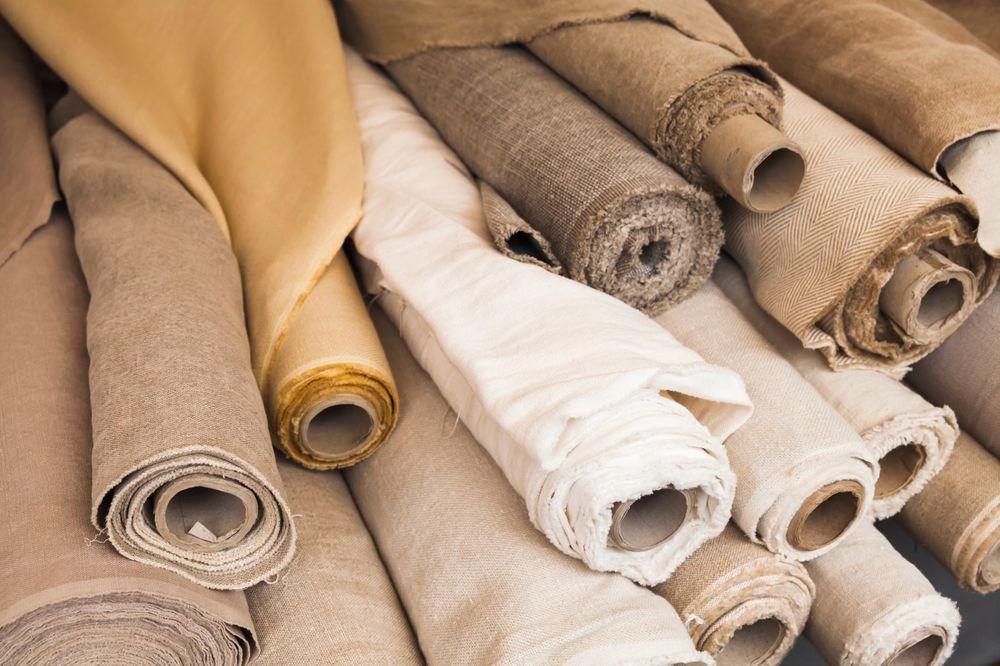
The emerging plant-based textile fibres are reshaping the sustainable fashion landscape by offering eco-friendly, biodegradable, and ethically sourced alternatives to conventional fabrics. Innovations in fibre development, production techniques, and application methods are enabling brands to meet rising consumer demand for environmentally responsible apparel while enhancing design versatility and functionality.
Innovations Driving Sustainable Fashion
New plant-based fibres, including hemp, bamboo, flax, and other bio-derived fabrics, are entering the market with enhanced characteristics such as softness, durability, moisture-wicking, and antibacterial properties. These innovations enable fashion brands to produce high-performance clothing that meets sustainability standards while appealing to modern consumer preferences.
Key Innovations
-
Development of biodegradable and organic fibres.
-
Functional textiles with improved comfort, performance, and longevity.
-
Blended fabrics that combine aesthetic appeal with environmental benefits.
Impact on Apparel Design
Emerging plant-based fibres allow designers to create versatile and sustainable apparel collections. From casual wear to high-end fashion, these fibres provide superior quality while supporting eco-conscious practices. Fashion brands are increasingly adopting fibres certified by organic, fair trade, or eco-label programs to enhance credibility and brand value.
Apparel Trends
-
Eco-friendly casual wear and activewear collections.
-
Premium fashion lines emphasizing sustainable and ethical sourcing.
-
Functional fabrics with antimicrobial, moisture-wicking, or lightweight properties.
Influence on Consumer Behavior
Consumers are becoming more aware of the environmental impact of their clothing choices. The availability of emerging plant-based fibres encourages adoption of sustainable fashion by offering biodegradable, non-toxic, and ethically produced alternatives. This shift in consumer behavior is driving global demand for eco-conscious apparel and creating opportunities for growth across the fashion industry.
Regional Adoption and Opportunities
Asia-Pacific
Asia-Pacific continues to be the primary production hub for emerging plant-based fibres due to favorable climatic conditions, abundant raw materials, and established textile infrastructure. Countries such as India, China, and Bangladesh are also witnessing growing domestic adoption in apparel and home textile markets.
Europe
Europe is leading the adoption of emerging plant-based fibres in premium fashion. Fashion-conscious consumers in Germany, Italy, and France value traceable, certified, and sustainable fabrics, which is encouraging brands to innovate and develop new fibre applications.
North America
North America is seeing growth in lifestyle-driven adoption of sustainable fashion, supported by retail and e-commerce platforms. Consumers increasingly prefer eco-friendly fabrics in everyday apparel, creating new opportunities for plant-based fibre manufacturers.
Emerging Markets
Emerging markets in Latin America, Africa, and the Middle East are gradually embracing sustainable fashion. Urbanization, rising disposable income, and awareness campaigns are driving adoption of emerging plant-based fibres in both domestic and regional markets.
Opportunities for Manufacturers and Brands
Product Innovation
Investing in R&D to develop new fibres and blends with enhanced performance and sustainability credentials enables manufacturers to differentiate their products and meet evolving consumer expectations.
Strategic Collaborations
Collaborations with fashion brands, designers, and sustainability initiatives provide opportunities to expand market reach, optimize supply chains, and co-create innovative eco-conscious collections.
Premium and Ethical Offerings
Offering certified organic, biodegradable, and ethically sourced fibres allows brands to tap into high-value segments and build a loyal, environmentally conscious customer base.
Challenges
Despite opportunities, the market faces several challenges:
-
Higher production costs compared to conventional synthetic fibres.
-
Limited availability of some emerging raw materials.
-
Competition from traditional and recycled fibres.
-
Supply chain complexity impacting consistency and delivery timelines.
Overcoming these challenges through innovation, strategic sourcing, and sustainability-focused operations is essential for long-term market success.
Future Outlook
The emergence of new plant-based textile fibres is expected to continue driving sustainable fashion globally from 2026 through 2036. Innovations in fibre technology, growing consumer demand for eco-friendly apparel, and expanding regional adoption will strengthen the market. Manufacturers and fashion brands focusing on sustainable, functional, and premium products are positioned to capture significant growth opportunities.
Conclusion
Emerging plant-based textile fibres are significantly influencing the global sustainable fashion market. Innovations in fibre development, growing consumer awareness, and regional adoption trends are enabling apparel brands to deliver high-quality, eco-friendly, and ethically sourced products. Asia-Pacific leads production, Europe drives premium adoption, and North America focuses on lifestyle-driven demand. Emerging markets provide additional opportunities for growth. Brands and manufacturers leveraging innovation, sustainability, and strategic partnerships are well-positioned for long-term success in the plant-based textile fibres market.
 Deutsch
 English
 Arabic
 French
 Spanish
 Portuguese
 Turkish
 Dutch
Dutch
 Italiano
 Russian
 Romaian
 Portuguese (Brazil)
 Greek
Greek