


Dog Food With Organ Meat: Why Real Nutrition Starts Inside

Why Organ Meat Suddenly Matters Again
For a long time, organ meat got treated like leftovers. Scraps. Stuff humans didn’t want, so it got pushed aside. Somewhere along the way, dog food followed the same path. Muscle meat became the star. Organs got minimized, powdered, or ignored completely.
That was a mistake.
Dogs didn’t evolve eating boneless chicken breasts. They ate whole animals. Organs first, actually. Liver. Heart. Kidney. The nutrient-dense stuff that kept them alive, strong, sharp. That’s why dog food with organ meat is back in the conversation. Not as a trend, but as a correction.
If you’ve been hearing more about organ meat dog food lately, it’s because people are paying attention again. They’re reading labels. Asking harder questions. Wondering why their dog’s food looks nothing like actual food.
What “Dog Food With Organ Meat” Really Means
Let’s clear something up. Dog food with organ meat doesn’t mean “contains organ flavor” or “trace amounts of liver powder.” That’s marketing. Real organ meat dog food includes meaningful portions of organs. Not as garnish. As nutrition.
Organs are nutrient bombs. Liver alone delivers vitamin A, B vitamins, iron, copper. Heart is packed with taurine and CoQ10. Kidney brings selenium and zinc. These aren’t optional extras. They’re foundational.
When a label lists organs clearly and early, that’s a good sign. When it hides them behind vague terms like “animal by-products,” that’s when you should pause. Dogs deserve transparency. So do you.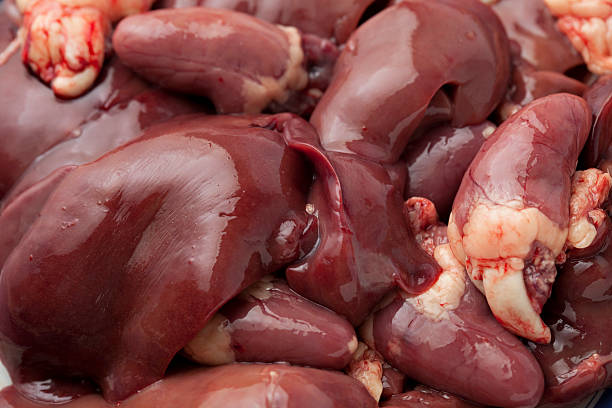
Why Muscle Meat Alone Isn’t Enough
A lot of modern dog food leans heavily on muscle meat. Chicken breast. Beef trim. Sounds good, right? Except muscle meat by itself is incomplete. It lacks key micronutrients dogs need long-term.
That’s where problems creep in. Dull coats. Low energy. Weak immunity. Digestive weirdness no one can quite explain. Owners keep switching brands, thinking the protein source is the issue. Often, it’s the missing organs.
Organ meat dog food fills those gaps naturally. No synthetic vitamin sprays. No lab-made fixes. Just nutrients in the form dogs recognize and absorb best.
This is biology, not ideology.
Organ Meat Isn’t Gross. It’s Just Honest
Let’s be blunt. A lot of people feel weird about organs. Liver freaks them out. Kidneys sound unpleasant. That reaction comes from modern food culture, not science.
Dogs don’t share that bias. They go straight for organs. Always have. There’s a reason predators eat them first in the wild. They’re soft, rich, nutrient-dense. Dogs know what they need, even if we forgot.
Dog food with organ meat isn’t “extreme.” It’s traditional. What’s extreme is pretending dogs thrive on dry pellets made mostly of starch with a vitamin coating sprayed on after cooking.
The Difference You’ll Actually See In Your Dog
This isn’t abstract nutrition theory. Dogs show results.
When organ meat dog food is done right, owners often notice changes fast. Stools firm up but shrink in size. Coats get softer, shinier. Skin issues calm down. Energy evens out. Not hyper. Not sluggish. Just steady.
Breath improves too, which surprises people. So does appetite regulation. Dogs feel satisfied. They stop acting like they’re starving five minutes after eating.
These changes don’t happen overnight, but they don’t take forever either. Usually a few weeks is enough to tell if the food is working.
Why Many Commercial Foods Avoid Organ Meat
Here’s the uncomfortable truth. Organ meat is harder to work with. It spoils faster. It doesn’t fit neatly into ultra-processed systems designed for long shelf life. And it doesn’t photograph well for glossy packaging.
So many big brands avoid it or minimize it. Or they include tiny amounts and hype it up like it’s the main event. That’s cheaper. Easier. More scalable.
But dogs pay the price for that convenience. Nutritionally incomplete diets catch up over time. Especially for active dogs, growing puppies, and seniors who need nutrient density more than ever.
Organ meat dog food asks brands to do better. Some do. Many don’t.
Raw, Frozen, Or Gently Prepared: Where Organ Meat Fits Best
Organ meat shines in less processed diets. Raw and frozen foods preserve nutrients without destroying them through high heat. Gently prepared options can work too, if temperatures stay low enough.
The worst place for organ meat is heavily extruded kibble. Heat-sensitive vitamins break down. Amino acids get damaged. Then synthetic nutrients have to be added back in. It’s a patch job.
Dog food with organ meat works best when the food itself respects the ingredients. That’s why many raw and frozen diets emphasize organs as a core component, not an afterthought.
It’s not about being “raw-only.” It’s about minimizing damage to the food.
How Much Organ Meat Is Enough?
More isn’t always better. Balance matters.
Most prey-model and whole-food diets aim for roughly ten percent organs, with liver making up about half of that. Enough to nourish. Not so much that it overwhelms digestion.
Too little organ meat leads to deficiencies. Too much can cause loose stools or vitamin imbalances. This is where thoughtful formulation matters. Guessing doesn’t help anyone.
Good organ meat dog food does the math for you. It doesn’t leave you playing nutrition roulette with your dog’s health.
Transitioning To Dog Food With Organ Meat
Slow wins here. Dogs need time to adjust, especially if they’ve been on kibble for years. Introduce gradually. Mix foods. Watch stools. Adjust portions.
Some dogs dive in without hesitation. Others need a few meals to get used to the richer smell and taste. That’s normal. Don’t panic and switch again too fast. Consistency matters.
Also, portions may look smaller. Organ-rich food is more nutrient-dense. Trust the dog, not the bowl. If energy is good and weight stays stable, you’re doing it right.
Conclusion: Organ Meat Isn’t Optional. It’s Essential
Dog food with organ meat isn’t a luxury upgrade. It’s a return to basics. A reminder that dogs are animals with specific biological needs, not furry humans who thrive on processed convenience foods.
Organ meat dog food delivers nutrients the way nature intended. In forms dogs absorb easily. In ratios their bodies understand. When done right, it supports digestion, immunity, skin, coat, and long-term vitality.
If you care about what fuels your dog’s life, organs matter. A lot. Ignore the marketing noise. Read labels. Look for honesty. Because real nutrition doesn’t hide.
FAQs About Dog Food With Organ Meat
Is organ meat dog food safe for daily feeding?
Yes, when properly balanced. Quality dog food with organ meat includes safe, appropriate ratios designed for long-term feeding.
What organs are best for dogs?
Liver, heart, kidney, and spleen are most common. Each provides different essential nutrients.
Will organ meat upset my dog’s stomach?
If introduced too fast, it can. Transition slowly and portions usually normalize digestion quickly.
Is organ meat better raw or cooked?
Raw and gently prepared options preserve more nutrients. High-heat processing reduces nutritional value.
Can puppies eat dog food with organ meat?
Yes, as long as the formula is balanced for growth. Organ nutrients are especially important for developing dogs.
 Spanish
 English
 Arabic
 French
 Portuguese
 Deutsch
 Turkish
 Dutch
Dutch
 Italiano
 Russian
 Romaian
 Portuguese (Brazil)
 Greek
Greek