


Corten Steel vs Mild Steel: Which is Better for Outdoor Projects?
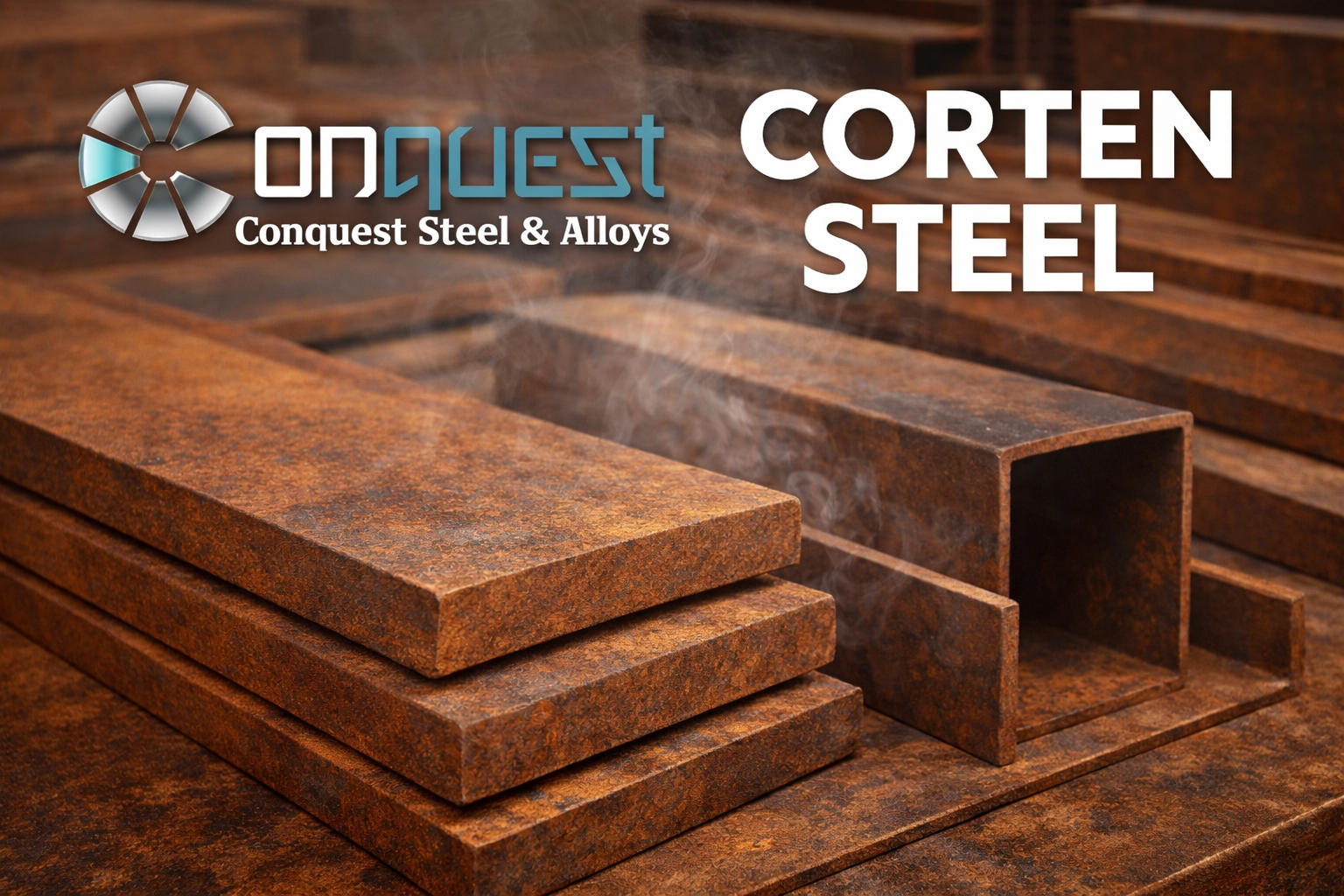
Corten Steel vs Mild Steel: Which is Better for Outdoor Projects?
When it comes to outdoor construction, landscaping, and architectural design, choosing the right type of steel can determine how long your project lasts and how much maintenance it requires. Two commonly compared materials are Corten Steel (weathering steel) and Mild Steel (carbon steel). While they may look similar initially, their performance outdoors is dramatically different.
If you're planning bridges, facades, garden structures, or industrial installations exposed to weather, understanding the differences between Corten Steel vs Mild Steel is essential.
What is Mild Steel?
Mild steel is a low-carbon steel containing around 0.05%–0.25% carbon. It is widely used in general fabrication, machinery parts, pipelines, and indoor structures because it is:
-
Affordable
-
Easy to weld and fabricate
-
Ductile and workable
However, mild steel has one major weakness — poor corrosion resistance. When exposed to moisture and oxygen, it rusts quickly and continuously unless protected with paint, coatings, or galvanization.
What is Corten Steel?
Corten Steel, also known as weathering steel, is a high-strength alloy steel containing elements like copper, chromium, nickel, and phosphorus. These elements allow the steel to develop a stable rust-like protective layer (patina) when exposed to the atmosphere.
This patina acts as a barrier, slowing down further corrosion and protecting the inner metal — something regular mild steel cannot do naturally.
1. Corrosion Resistance
Mild Steel
-
Rusts rapidly when exposed to rain, humidity, or air
-
Corrosion continues deeper over time
-
Requires constant painting and maintenance
Corten Steel
-
Forms a protective oxide layer
-
Corrosion slows significantly after patina formation
-
Designed specifically for outdoor exposure
Winner for outdoor use: Corten Steel
2. Maintenance Requirements
Outdoor structures made from mild steel demand frequent inspections, repainting, and anti-corrosion treatments. Over time, maintenance costs often exceed the initial material cost.
Corten Steel, on the other hand, is low-maintenance. Once the protective layer forms, it rarely needs repainting or special coatings.
Winner: Corten Steel
3. Strength and Structural Performance
Both steels are strong, but Corten Steel typically offers higher tensile strength compared to mild steel. This makes it suitable for:
-
Bridges
-
Heavy structural frames
-
Industrial buildings
-
Load-bearing outdoor installations
Mild steel performs well structurally but lacks the environmental resistance needed for long-term outdoor strength.
Winner: Corten Steel
4. Aesthetic Appeal
Mild steel does not offer visual appeal when it rusts — corrosion appears flaky, uneven, and destructive.
Corten Steel develops a uniform, earthy, reddish-brown finish that architects love. It is widely used for:
-
Modern building facades
-
Sculptures
-
Landscaping elements
-
Outdoor art installations
Winner: Corten Steel
5. Cost Comparison
| Factor | Mild Steel | Corten Steel |
|---|---|---|
| Initial Price | Lower | Higher |
| Maintenance Cost | High | Very Low |
| Lifespan Outdoors | Shorter | Much Longer |
| Painting Required | Yes | No |
Although Corten Steel costs more initially, its reduced maintenance and longer life make it more cost-effective in the long run.
Winner (long-term): Corten Steel
6. Lifespan in Outdoor Conditions
Mild steel structures exposed to the elements may show serious corrosion damage within a few years without protection.
Corten Steel structures can last decades due to the protective patina that slows rust penetration.
Winner: Corten Steel
7. Environmental Suitability
| Environment | Mild Steel | Corten Steel |
|---|---|---|
| Dry Climate | Acceptable with coating | Excellent |
| Humid Areas | Poor | Very Good |
| Industrial Zones | Poor | Strong Performance |
| Coastal Areas | Needs treatment | Use with caution |
Corten Steel performs better in most outdoor environments but may require careful consideration in coastal areas with high salt content.
When Should You Use Mild Steel Outdoors?
Mild steel may still be suitable if:
-
The structure is temporary
-
Budget is extremely tight
-
Proper protective coatings are applied
-
The project is in a dry indoor/outdoor transition zone
When is Corten Steel the Best Choice?
Choose Corten Steel when:
✔ The structure is permanent
✔ Minimal maintenance is required
✔ A natural rust aesthetic is desired
✔ The environment is harsh
✔ Long-term durability matters
Final Verdict: Which is Better?
For outdoor projects exposed to weather, Corten Steel clearly outperforms Mild Steel in corrosion resistance, durability, aesthetics, and lifecycle cost. Mild steel may be cheaper upfront, but the long-term expenses of maintenance, repainting, and repair make it less practical for permanent outdoor applications.
If your goal is strength, longevity, and low maintenance , Corten Steel is the smarter investment.
 Portuguese
 English
 Arabic
 French
 Spanish
 Deutsch
 Turkish
 Dutch
Dutch
 Italiano
 Russian
 Romaian
 Portuguese (Brazil)
 Greek
Greek