


Natural Color Painting: Reviving Art in Harmony with Nature
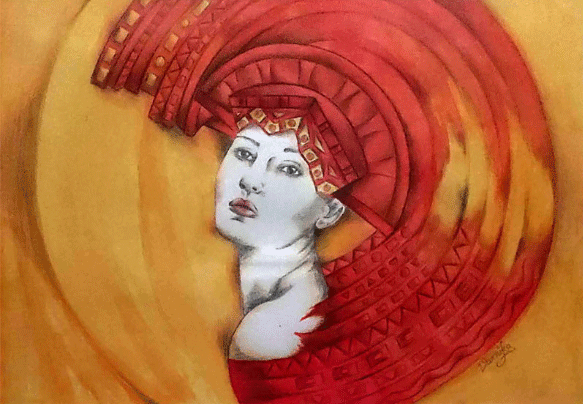
In an age dominated by synthetic pigments and industrial processes, artists and art lovers alike are rediscovering the quiet power of nature-led creativity. Painting with colours derived from the earth is not just an artistic choice—it is a philosophy rooted in sustainability, tradition, and mindfulness. This approach reconnects the artist with natural elements while offering viewers a deeper, more organic visual experience.
The practice of Natural painting traces its origins to ancient civilizations. Long before chemical pigments were invented, artists used minerals, plants, flowers, charcoal, soil, and even insects to create their palettes. Cave paintings, traditional Indian folk arts like Madhubani, Gond, and Pattachitra, as well as early frescoes across the world, relied entirely on colours sourced from nature. These artworks have survived centuries, proving the durability and timeless beauty of natural pigments.
One of the most compelling aspects of painting with natural colours is its eco-friendly nature. Synthetic paints often contain harmful chemicals that affect both the environment and human health. In contrast, natural pigments are biodegradable, non-toxic, and safe to handle. Artists working with these colours often describe the process as meditative—grinding stones, boiling leaves, or extracting dyes from flowers fosters patience and respect for materials. The slower pace of creation encourages intention and emotional depth in the artwork.
Visually, natural colours possess a softness and subtlety that synthetic paints often struggle to replicate. Earthy reds, muted yellows, gentle greens, and deep browns blend seamlessly, creating compositions that feel balanced and grounded. These hues age gracefully over time, developing character rather than fading harshly. Collectors and curators increasingly value such works for their authenticity and understated elegance.
Another reason natural colour techniques are gaining popularity is the growing global focus on sustainability. As climate awareness rises, artists are consciously choosing materials that align with eco-conscious values. Workshops and residencies centered on traditional pigment-making are flourishing, particularly in India, where artists are blending ancestral knowledge with contemporary themes. This revival is not about rejecting modernity but about integrating ethical practices into modern art-making.
For emerging artists, working with natural pigments also offers a strong connection to cultural roots. Each region has its own palette influenced by local flora, soil, and climate. This geographical specificity adds a unique identity to artworks, making them deeply personal and culturally rich. When viewers engage with such art, they are not just seeing colours—they are witnessing stories of land, heritage, and time.
In today’s fast-paced, digital-heavy art market, the quiet resilience of Natural colour painting stands out. It reminds us that art does not always need brightness or perfection to be powerful. Sometimes, the most profound expressions come from simplicity, patience, and harmony with nature. As artists and audiences continue to seek meaning beyond the surface, natural colours are reclaiming their rightful place in the world of contemporary and traditional art alike.
 French
 English
 Arabic
 Spanish
 Portuguese
 Deutsch
 Turkish
 Dutch
Dutch
 Italiano
 Russian
 Romaian
 Portuguese (Brazil)
 Greek
Greek