


Pressure Treated Plywood for Real-World Jobs: What Works, What Fails, and Why It Still Matters

If you’ve been around construction, marine work, or even backyard projects long enough, you’ve heard mixed opinions about pressure treated plywood. Some folks swear by it. Others say it rots, warps, or just isn’t worth the money. Truth is, both sides are partly right. Like most building materials, it depends how and where you use it.
This isn’t a sales brochure. It’s a straight talk guest post about where pressure treated plywood shines, where it struggles, and how it fits into bigger outdoor builds, especially when Bulkhead Material is part of the conversation.
No fluff. No perfect grammar. Just what actually happens in the field.
What Pressure Treated Plywood Actually Is (No Fancy Talk)
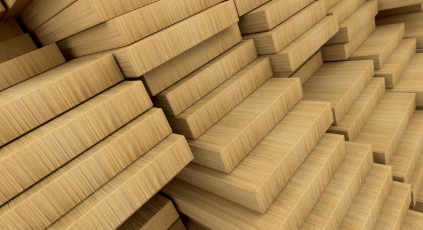
Pressure treated plywood is regular plywood that’s been infused with preservatives under high pressure. Those chemicals push deep into the wood fibers. The goal is simple: slow down rot, fungus, and insect damage when the wood is exposed to moisture or ground contact.
That’s it. There’s no magic here.
It doesn’t make plywood waterproof. It doesn’t make it indestructible. It just gives it a fighting chance outdoors.
People mess this up all the time. They hear “pressure treated” and assume it can sit underwater forever. That’s not how wood works.
Where Pressure Treated Plywood Makes Sense
Used correctly, pressure treated plywood earns its keep. Especially in outdoor and coastal builds.
Ground Contact and High Moisture Areas
This is where it’s designed to live. Think:
-
Shed floors
-
Deck skirting
-
Raised garden beds (with proper liners)
-
Utility structures
-
Temporary forms
-
Exterior walls near grade
It handles damp conditions way better than untreated plywood. That alone saves you money long term.
Supporting Role in Bulkhead Construction
Let’s be clear. Pressure treated plywood is not usually the main Bulkhead Material. That job goes to treated lumber, vinyl, concrete, or steel.
But plywood still shows up. Often as:
-
Backing panels
-
Temporary bracing
-
Formwork
-
Secondary structural layers
In bulkhead and shoreline work, materials are constantly fighting water, pressure, and time. Using untreated plywood in these spots is asking for trouble. Treated plywood lasts longer and fails slower, which matters when repairs are expensive.
Where Pressure Treated Plywood Falls Short
Here’s the blunt part.
Pressure treated plywood will still move. It can warp. It can delaminate. Especially if it’s thin or poorly installed.
Constant Submersion Is a Bad Idea
If the plywood is staying underwater full-time, you’re pushing its limits. Even treated panels eventually absorb water. Once that happens, layers can separate.
For marine walls or bulkheads that sit in tidal zones, plywood is usually a supporting player, not the star.
Weight and Handling Issues
Pressure treated plywood is heavier. Sometimes a lot heavier. That can slow installs and beat up crews if you’re not ready for it.
Also, cuts release chemicals. You need gloves. You should wear a mask. People skip that step, but they shouldn’t.
Choosing the Right Grade (This Part Matters)
Not all pressure treated plywood is equal. Big box stores often stock lower grades. They work for some jobs. Not all.
For outdoor structural use, look for:
-
Exterior-grade glue
-
Fewer voids
-
Thicker panels (3/4" beats 1/2" every time outdoors)
-
Proper treatment rating for ground contact
If you’re using it near water or alongside Bulkhead Material, don’t cheap out. The environment won’t forgive it.
This is where working with a real lumber yard helps. Someone who understands coastal builds, soil conditions, and load pressure. Not just shelf stock.
Installation Mistakes That Kill Treated Plywood Early
Most failures aren’t the wood’s fault. They’re install problems.
No Gap Between Panels
Wood expands. Pressure treated plywood expands more when it’s wet. Butt joints with no spacing lead to buckling and edge damage.
Leave gaps. Even if it looks weird at first.
Wrong Fasteners
Regular screws and nails corrode fast around treated wood. Use hot-dipped galvanized or stainless fasteners. Especially near saltwater.
Skipping this step ruins panels faster than rot.
Poor Sealing on Cut Edges
The factory treatment doesn’t fully protect fresh cuts. Brush on a wood preservative or end-cut solution. Takes five minutes. Adds years.
Pressure Treated Plywood vs Other Bulkhead Material Options
Let’s compare apples to apples for a minute.
Vinyl Bulkheads
Vinyl lasts longer. No rot. No insects. Higher upfront cost though. Plywood can support vinyl systems during install or reinforcement stages.
Treated Lumber
Solid treated lumber handles load better. Plywood spreads load more evenly. They often work together.
Concrete and Steel
Heavy duty. Permanent. Expensive. Plywood is usually temporary here, but still essential for forming and staging.
Pressure treated plywood isn’t competing with these materials. It complements them.
Environmental and Safety Notes (Short and Honest)
Older treated wood used harsher chemicals. Modern pressure treated plywood is safer, but it’s still treated wood.
Don’t burn scraps. Don’t use it where food touches directly. Wash your hands after handling. Simple stuff.
Used responsibly, it’s fine.
Why Sourcing Matters More Than People Admit
Buying pressure treated plywood from random suppliers is risky. Treatment levels vary. Storage conditions matter. Old stock can already be compromised.
If you’re building near water, soil, or using Bulkhead Material, you need consistency.
That’s where specialty lumber yards make a difference. They understand exposure ratings, regional conditions, and what actually lasts.
You don’t want guesswork holding back water.
Final Thoughts
Pressure treated plywood is not perfect. It never was.
But used correctly, in the right role, it’s reliable, flexible, and cost-effective. Especially when paired with stronger Bulkhead Material systems.
The biggest mistake is expecting it to do a job it wasn’t designed for.
Respect the limits. Install it right. Source it smart. You’ll get solid performance.
Frequently Asked Questions
1. Can pressure treated plywood be used underwater?
Not long term. It can handle moisture and splash zones, but constant submersion leads to swelling and delamination over time.
2. Is pressure treated plywood good for bulkhead walls?
It’s usually not the primary Bulkhead Material, but it works well as backing, bracing, or formwork when paired with stronger systems.
3. Does pressure treated plywood need sealing?
The faces are treated, but cut edges should be sealed with a preservative to extend lifespan.
4. How long does pressure treated plywood last outdoors?
With proper install and drainage, 10–20 years isn’t unusual. Poor install can cut that in half.
 Deutsch
 English
 Arabic
 French
 Spanish
 Portuguese
 Turkish
 Dutch
Dutch
 Italiano
 Russian
 Romaian
 Portuguese (Brazil)
 Greek
Greek