


A Beginner’s Guide to Solar Panels for Residential Homes
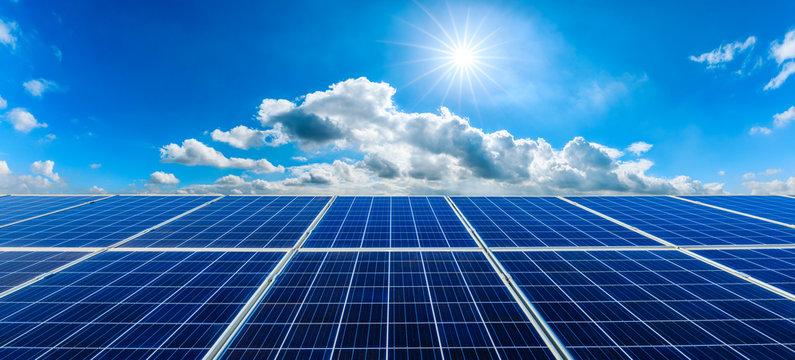
As electricity costs continue to rise and environmental awareness grows, more homeowners are turning to solar energy as a reliable and sustainable power source. Solar panels for residential homes are no longer a luxury—they are a smart long-term investment that can reduce energy bills and carbon footprints. If you’re new to solar energy, this guide will walk you through everything you need to know in simple terms.
What Are Solar Panels?
Solar panels are devices that capture sunlight and convert it into electricity. They are usually installed on rooftops or open areas where they receive maximum sunlight. Each solar panel is made up of smaller units called photovoltaic (PV) cells, which generate electricity when sunlight hits them.
This electricity can be used to power your home appliances, lighting, and other electrical systems. Any excess energy can either be stored in batteries or sent back to the grid, depending on the type of solar system installed.
How Do Solar Panels Work in Homes?
The working process of solar panels is simple and efficient. When sunlight falls on the solar panels, the PV cells generate direct current (DC) electricity. This electricity then passes through an inverter, which converts DC power into alternating current (AC)—the type of electricity used in homes.
Once converted, the electricity is distributed through your home’s electrical panel to run daily appliances. If your system produces more electricity than your home needs, the extra energy can be stored or exported, helping you save even more on energy costs.
Types of Solar Panel Systems for Residential Homes
There are three main types of solar systems commonly used in homes:
On-Grid Solar Systems
These systems are connected to the main electricity grid. They are cost-effective and allow homeowners to export excess power back to the grid. On-grid systems are ideal for areas with reliable electricity supply.
Off-Grid Solar Systems
Off-grid systems are completely independent of the electricity grid and use batteries to store energy. They are suitable for remote areas where grid electricity is unavailable or unreliable.
Hybrid Solar Systems
Hybrid systems combine the benefits of both on-grid and off-grid systems. They are connected to the grid and also include battery storage, providing backup power during outages.
Benefits of Solar Panels for Residential Homes
Installing solar panels offers numerous advantages for homeowners:
- Lower electricity bills by generating your own power
- Reduced dependence on fossil fuels
- Environmentally friendly and renewable energy source
- Increased property value
- Low maintenance and long lifespan
- Protection against rising energy prices
Over time, the savings on electricity can outweigh the initial installation cost.
How Much Do Solar Panels for Homes Cost?
The cost of solar panels for residential homes depends on several factors, including system size, panel type, installation complexity, and location. While the upfront cost may seem high, government incentives, rebates, and long-term savings make solar a cost-effective solution.
Most homeowners recover their investment within a few years through reduced electricity bills and energy credits.
How Many Solar Panels Does a Home Need?
The number of solar panels required depends on your household’s energy consumption, available roof space, and sunlight exposure. Homes with higher electricity usage will need larger systems, while smaller households can manage with fewer panels.
A professional solar assessment can help determine the right system size based on your energy needs.
Are Solar Panels Suitable for Every Home?
Most homes can benefit from solar panels, but some factors affect performance:
- Roof direction and angle
- Amount of sunlight received
- Shading from trees or nearby buildings
- Roof condition and available space
Even if your roof isn’t ideal, ground-mounted systems or alternative solutions may still be possible.
Maintenance and Lifespan of Solar Panels
Solar panels require minimal maintenance. Regular cleaning to remove dust and debris and periodic system checks are usually sufficient. Most solar panels come with warranties ranging from 20 to 25 years, ensuring long-term reliability.
With proper care, solar panels can continue generating electricity well beyond their warranty period.
Environmental Impact of Residential Solar Panels
Solar energy is a clean and renewable power source that significantly reduces greenhouse gas emissions. By installing solar panels, homeowners contribute to a healthier environment and reduce their reliance on non-renewable energy sources.
This makes solar energy an excellent choice for environmentally conscious households.
Is Solar Power a Good Investment for Homeowners?
For most homeowners, solar panels are a smart investment. They provide energy independence, long-term financial savings, and environmental benefits. With advancements in technology and supportive government policies, solar energy is becoming more accessible and affordable than ever.
Final Thoughts
Solar panels for residential homes are a practical, eco-friendly, and cost-effective solution for modern energy needs. Whether you’re looking to reduce electricity bills, increase property value, or contribute to a sustainable future, solar energy offers long-term benefits.
For beginners, understanding how solar panels work and the options available is the first step toward making an informed decision. With the right system and professional guidance, switching to solar power can be a smooth and rewarding experience.
 Italiano
 English
 Arabic
 French
 Spanish
 Portuguese
 Deutsch
 Turkish
 Dutch
Dutch
 Russian
 Romaian
 Portuguese (Brazil)
 Greek
Greek