


Application of 314 Stainless Steel
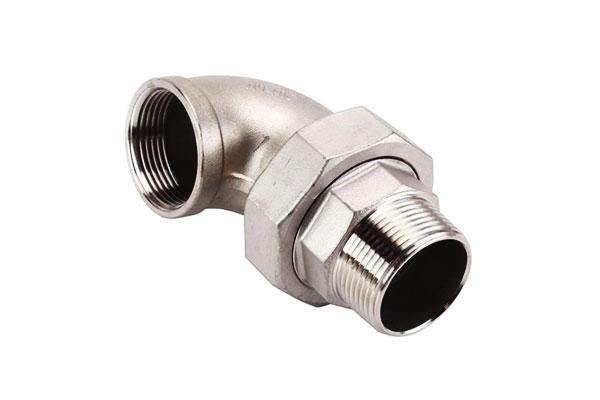
Austenitic 314 stainless steel (UNS S31400, EN 1.4841, X15CrNiSi25-21) is a chromium-nickel-silicon alloy engineered for continuous high-temperature service.
Compared with 310/310S, 314 contains elevated silicon and robust Cr–Ni content that together improve oxidation and scaling resistance and give better creep strength at elevated temperatures — making 314 a go-to material for furnace hardware, heat-treatment fixtures, industrial kilns, and petrochemical high-temperature components.
1. Key Features of 314 Stainless Steel
Enhanced high-temperature oxidation resistance
- Why: elevated Cr provides chromia (Cr₂O₃) scale formation; Si promotes formation of a thin, adherent, silica-enriched surface film that retards further scale growth and improves scale adherence during thermal cycling.
- Effect: slower scale growth, reduced scale spallation and longer service life for components exposed continuously to air at high temperatures (typical continuous service up to roughly ~1,000–1,150 °C, depending on stress and atmosphere).
Better elevated-temperature strength (vs common 300-series)
- 314 retains strength and resists creep better than 304/310 under comparable conditions, making it suitable for load-bearing high-T fixtures, baskets and supports — though it is not a replacement for dedicated creep alloys or Ni-base superalloys for the most demanding long-term, high-stress applications.
Good fabrication characteristics (with caveats)
- Formability & cold work: typical austenitic behavior — good ductility and formability at room temperature.
- Weldability: weldable using standard fillers, but the higher carbon and silicon contents raise the risk of sensitization (chromium carbide precipitation) and, in some conditions, hot-cracking.
For welded assemblies either control heat input, use appropriate filler metals, or prefer low-carbon alternatives (e.g., 310S) when intergranular corrosion after welding is a primary concern.
Cost-performance balance for heat-resisting service
- Compared with nickel-based high-temperature alloys, 314 delivers a favorable cost/performance ratio for oxidizing services where carburization, sulfidation or very long creep lives are not dominant failure modes.
Limitations to be aware of
- Carburizing / reducing atmospheres: 314 is less resistant to carburization and aggressive reducing/sulfidizing gases than specialized heat-resisting alloys; silicon helps but does not eliminate these failure modes.
- Welded structures and sensitization: higher C content increases risk of intergranular attack if the part spends time in the sensitization range after welding; design/procedure controls are required.
- Not a dedicated creep alloy: for prolonged load at high temperature consult supplier creep/rupture data and consider stronger alternatives if rupture life is critical.
2. Typical Applications of 314 Stainless Steel
Because of its oxidation resistance and reasonable elevated-temperature strength, 314 is used where continuous high temperature in oxidizing atmospheres is required but where a nickel-base alloy would be cost-prohibitive.
Principal application areas:
- Furnace and heat-treatment equipment: muffles, retorts, furnace baskets, trays and furnace recuperator elements where scaling resistance and long life are critical.
- Kiln and refractory hardware: kiln furniture, burner components, element supports and liners for industrial kilns.
- Exhaust and incineration parts: components in high-temperature exhaust paths (provided sulfur/carbon exposure is controlled).
- Process industry high-temperature components: petrochemical heat exchangers, reformer parts and non-contact hot-gas hardware (with atmosphere control).
- Power generation & boilers: selected superheater/support components where service conditions align with alloy capability.
- Foundry and metal-working fixtures: fixtures and tooling used repeatedly at elevated temperatures (work trays, baskets, fixture frames).
3. Conclusions and practical recommendations
AISI 314 is a workhorse heat-resisting austenitic stainless that balances room-temperature workability with superior high-temperature oxidation resistance and elevated-temperature strength.
Its higher silicon content gives it an edge over 310 in continuous oxidizing environments up to about 1,100 °C, but the alloy is less forgiving for welding and for carburizing/sulfurous atmospheres.
For designers: specify UNS S31400 (or EN 1.4841) with clear service temperature/atmosphere details, require mill test reports and, where welding is significant, either choose low-carbon alternatives or plan for rigorous WPS and post-weld controls.
Article References: https://ygxpcasting.com/1-4841-stainless-steel-x15crnisi25-21-aisi-314/
 Italiano
 English
 Arabic
 French
 Spanish
 Portuguese
 Deutsch
 Turkish
 Dutch
Dutch
 Russian
 Romaian
 Portuguese (Brazil)
 Greek
Greek