


Companion Diagnostics Market Trends, Growth Drivers, Forecast, and Future Outlook Analysis
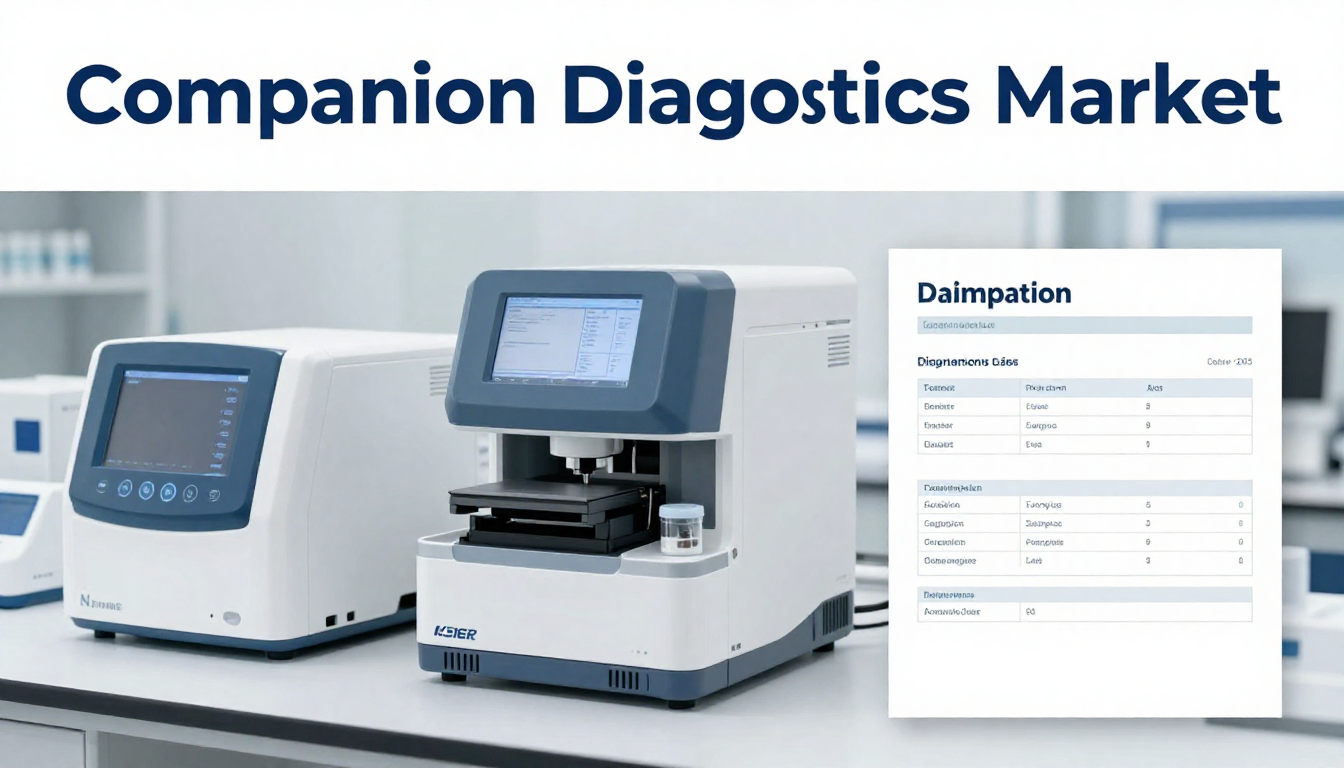
The global Companion Diagnostics Market is experiencing robust growth as personalized medicine and targeted therapy approaches become central to modern healthcare strategies. Companion diagnostics (CDx) are specialized diagnostic tests designed to identify patients who are most likely to benefit from specific therapeutic treatments or who may be at risk of adverse reactions. Increasing prevalence of chronic diseases such as cancer, technological advancements in molecular diagnostics, and rising adoption of precision medicine are key factors driving the expansion of the companion diagnostics market worldwide.
Market Overview
Companion diagnostics are developed alongside therapeutic drugs to ensure optimal treatment outcomes, reduce trial‑and‑error prescribing, and improve overall patient care. These tests analyze genetic, proteomic, or metabolic biomarkers to guide drug selection, dosage decisions, and patient stratification. Companion diagnostics are widely used in oncology, where biomarker‑based therapies have transformed treatment paradigms for conditions such as breast, lung, and colorectal cancers.
Technological progress in next‑generation sequencing (NGS), polymerase chain reaction (PCR), immunohistochemistry (IHC), and in situ hybridization (ISH) has significantly improved the accuracy, reliability, and turnaround time of CDx tests. The integration of bioinformatics, artificial intelligence, and machine learning for data interpretation has further enhanced clinical utility, enabling faster and more precise diagnostic insights.
Market Dynamics
The companion diagnostics market is propelled by strong growth in targeted therapeutics, increasing research and development (R&D) activities, and expanding clinical applications beyond oncology into areas such as immunology, cardiology, and neurology. Regulatory agencies are also fostering CDx adoption through co‑development frameworks that encourage simultaneous approval of drugs and their companion diagnostic tests, streamlining clinical pathways and reducing time‑to‑market.
Despite favorable trends, challenges include high development costs, complex regulatory requirements, and reimbursement hurdles in certain regions. Harmonizing global regulatory standards and improving payer coverage will be essential for broader clinical uptake. Additionally, integration of CDx into routine clinical practice requires investment in laboratory infrastructure and skilled personnel to ensure proper interpretation and result integration into patient care plans.
Market Segmentation
The companion diagnostics market is segmented based on technology, indication, end‑user, and therapeutic area. By technology, the market includes next‑generation sequencing (NGS), polymerase chain reaction (PCR), immunohistochemistry (IHC), in situ hybridization (ISH), and other advanced molecular diagnostic platforms. NGS and PCR are widely used due to their high sensitivity and ability to analyze multiple biomarkers simultaneously.
By indication and therapeutic area, oncology remains the largest segment due to the extensive adoption of biomarker‑based targeted therapies. Companion diagnostics are commonly employed in breast cancer (e.g., HER2 testing), lung cancer (e.g., EGFR mutation analysis), colorectal cancer, melanoma, and other tumor types. Other therapeutic areas such as cardiovascular diseases, infectious diseases, and rare genetic disorders are also emerging as important use cases for CDx.
By end‑user, the market includes hospitals, diagnostic laboratories, research institutions, and pharmaceutical companies that support co‑development of diagnostics and therapeutics. Hospitals and specialized diagnostic centers account for a significant share due to high testing throughput and integration with treatment pathways.
Regional Analysis
North America dominates the companion diagnostics market due to well‑established healthcare infrastructure, high adoption of precision medicine, strong R&D investments, and supportive regulatory frameworks. The United States leads the regional market with widespread use of CDx tests in oncology care and integration into clinical guidelines. Canada also contributes to regional growth with expanding diagnostic services and increasing personalized treatment adoption.
Europe represents a significant market with broad implementation of precision medicine and value‑based healthcare models. Countries such as Germany, the United Kingdom, France, and Italy are key contributors, supported by strong biotechnology ecosystems and increasing government initiatives to promote advanced diagnostics. European regulatory frameworks are evolving to support co‑development and approval of companion diagnostics and therapies.
Asia Pacific is expected to witness rapid growth due to rising healthcare expenditure, expanding diagnostic infrastructure, and increasing awareness of personalized healthcare solutions. China, Japan, and South Korea are leading regional markets as governments and private providers invest in genomics and precision medicine initiatives. Growth in emerging economies such as India, Singapore, and Australia is also notable.
Latin America is an emerging market where investments in healthcare infrastructure and rising disease burden are driving CDx adoption. Middle East & Africa is at an early growth stage, with increasing focus on expanding diagnostic capabilities and strategic partnerships to enhance access to precision medicine.
Request a Free Sample Report (PDF)
https://dimensionmarketresearch.com/request-sample/companion-diagnostics-market/
Competitive Landscape
The companion diagnostics market comprises global diagnostics companies, molecular biology technology providers, pharmaceutical firms, and research organizations. Key players focus on expanding their test portfolios, forging co‑development agreements with drug manufacturers, and investing in advanced platforms that support multi‑biomarker analysis. Strategic collaborations with healthcare providers, academic institutions, and technology partners are enhancing innovation, clinical validation, and market penetration. Emphasis on regulatory compliance, quality certifications, and data integration tools further strengthens competitive positioning.
Recent Developments
Recent developments in the market include expansion of NGS–based companion diagnostic panels, launch of multi‑analyte CDx platforms, and increased clinical validation studies demonstrating improved treatment outcomes. Companies are also leveraging AI and machine learning to refine biomarker interpretation and support real‑time clinical decision support. Regulatory approvals for new companion diagnostics linked to targeted therapies and immunotherapies are driving adoption, while partnerships between diagnostic developers and biopharmaceutical firms enhance pipeline synergies.
Future Outlook and Trends
The companion diagnostics market is expected to maintain strong growth as precision medicine expands beyond oncology and into chronic, metabolic, and rare disease areas. Future trends include greater integration of liquid biopsy tests for non‑invasive monitoring, point‑of‑care CDx platforms for rapid decision‑making, and increased utilization of digital health tools to personalize treatment planning. Expansion of reimbursement support, global regulatory harmonization, and investments in decentralized testing infrastructure will further accelerate market adoption. Collaboration across multidisciplinary healthcare teams will enhance patient access to targeted therapies supported by reliable diagnostic insights.
FAQs
What are companion diagnostics?
Companion diagnostics are tests used to identify whether a patient is likely to respond to a specific therapeutic drug, ensuring personalized treatment and improved efficacy.
Why are companion diagnostics important?
They support precision medicine by guiding therapy selection, improving patient outcomes, reducing adverse effects, and optimizing drug effectiveness.
Which therapeutic areas use companion diagnostics?
While oncology constitutes the largest share, companion diagnostics are increasingly used in cardiovascular, rare diseases, infectious diseases, and immunology.
Which region leads the companion diagnostics market?
North America leads due to advanced healthcare infrastructure, strong precision medicine adoption, and high R&D investment.
What are the main challenges in the companion diagnostics market?
Challenges include regulatory complexity, high development and validation costs, inconsistent reimbursement policies, and need for specialized diagnostic infrastructure.
Summary of Key Insights
The companion diagnostics market is positioned for robust growth as demand for personalized healthcare accelerates globally. Oncology remains the dominant therapeutic area, with precision medicine expanding into new indications. North America and Europe continue to lead, while Asia Pacific demonstrates rapid potential due to healthcare investments and infrastructure growth. Technological advancements, strategic partnerships, and expanded clinical applications will further shape market dynamics.
Buy Now – Full Market Report
https://dimensionmarketresearch.com/checkout/companion-diagnostics-market/
 Romaian
 English
 Arabic
 French
 Spanish
 Portuguese
 Deutsch
 Turkish
 Dutch
Dutch
 Italiano
 Russian
 Portuguese (Brazil)
 Greek
Greek