


Lymphatic Massage for Athletes: Enhance Recovery and Performance
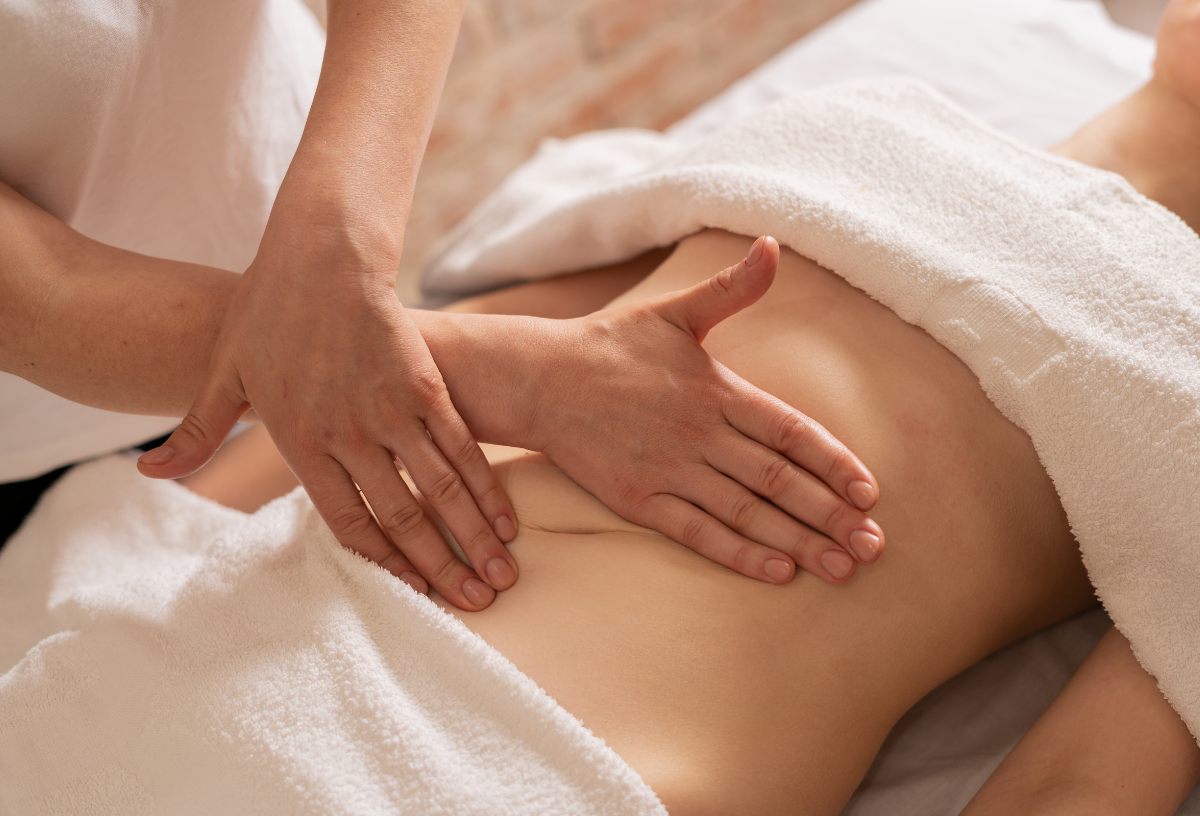
For athletes, recovery is just as important as training. Managing fatigue, reducing inflammation, and supporting the body’s natural healing processes are critical for optimal performance. Lymphatic massage has emerged as a valuable tool for athletes, helping to accelerate recovery, reduce swelling, and enhance overall physical resilience. By targeting the lymphatic system, this gentle therapy promotes detoxification and circulation, supporting both short-term recovery and long-term athletic performance.
Understanding Lymphatic Massage:
Lymphatic massage is a specialized technique that uses gentle, rhythmic movements to stimulate the lymphatic system. Unlike deep tissue massage, it focuses on light pressure that encourages lymph fluid to flow toward lymph nodes, where waste and toxins are filtered. For athletes, this process can accelerate the removal of metabolic byproducts and inflammatory substances produced during intense training.
Reducing Muscle Soreness:
Intense workouts often result in delayed onset muscle soreness (DOMS) due to microtears and inflammation. Lymphatic massage helps reduce this soreness by moving excess fluid and metabolic waste away from affected muscles. This promotes faster recovery, allowing athletes to train more consistently without prolonged discomfort.
Decreasing Swelling and Inflammation:
Training, injuries, or post-competition stress can lead to localized swelling and inflammation. Lymphatic massage assists the body in managing this fluid buildup by directing it toward lymph nodes for elimination. Reduced swelling improves mobility, decreases discomfort, and prevents prolonged tissue stress that could hinder performance.
Enhancing Circulation and Oxygen Delivery:
Efficient circulation is critical for athletic performance, as it delivers oxygen and nutrients to muscles while removing waste. Lymphatic massage improves both lymphatic and blood flow, supporting muscle repair and energy production. Enhanced circulation also contributes to quicker recovery between training sessions and competitions.
Supporting Immune Function:
Athletes often experience temporary immune suppression after intense training, increasing susceptibility to infections. By stimulating lymph flow, lymphatic massage helps transport white blood cells throughout the body more efficiently, supporting immune function. This reduces the risk of illness and ensures that athletes can maintain consistent training schedules.
Improving Flexibility and Range of Motion:
Accumulated fluid and muscle tension can restrict movement, impacting performance and increasing injury risk. Gentle lymphatic techniques relax tissues and enhance fluid balance, supporting greater flexibility and joint mobility. This allows athletes to perform movements more effectively and reduces the likelihood of strain or injury.
Aiding Post-Injury Recovery:
In addition to routine recovery, lymphatic massage is valuable for post-injury rehabilitation. It helps reduce edema, accelerate tissue repair, and manage inflammation in affected areas. When combined with physical therapy, this approach can shorten recovery times and support a faster, safer return to training.
Integrating Lymphatic Massage into Athletic Routines:
To maximize benefits, athletes can incorporate lymphatic massage into pre- and post-training routines. Suggested strategies include:
-
Short sessions after workouts to reduce soreness and inflammation
-
Targeted massage for areas prone to fluid accumulation or tension
-
Regular weekly sessions for overall lymphatic health
-
Combining massage with hydration, stretching, and proper nutrition
These practices enhance the effectiveness of training and support long-term physical resilience.
Professional Guidance and Precautions:
Although lymphatic massage is gentle, athletes should seek trained professionals to ensure proper technique and safety. Incorrect application may reduce effectiveness or cause discomfort. Additionally, athletes with injuries, infections, or circulatory issues should consult healthcare providers before starting regular lymphatic massage sessions.
Complementing Other Recovery Methods:
Lymphatic massage works best when integrated with other recovery practices, such as:
-
Foam rolling and mobility exercises to maintain tissue health
-
Adequate sleep for muscle repair and hormone regulation
-
Balanced nutrition for energy replenishment and inflammation control
-
Hydration to support lymph and blood circulation
Combined, these strategies create a holistic recovery plan that maximizes performance and minimizes downtime.
Final Thoughts.
Lymphatic massage offers athletes a natural, effective way to enhance recovery, reduce inflammation, improve circulation, and support immune function. By incorporating Lymphatic massage into training and rehabilitation routines, athletes can optimize performance, reduce the risk of injury, and maintain consistent progress toward their goals. When practiced consistently alongside proper nutrition, hydration, and rest, this gentle therapy becomes an essential tool for long-term athletic success and physical resilience.
 Spanish
 English
 Arabic
 French
 Portuguese
 Deutsch
 Turkish
 Dutch
Dutch
 Italiano
 Russian
 Romaian
 Portuguese (Brazil)
 Greek
Greek