


10 Bladder Health Issues Women Often Ignore
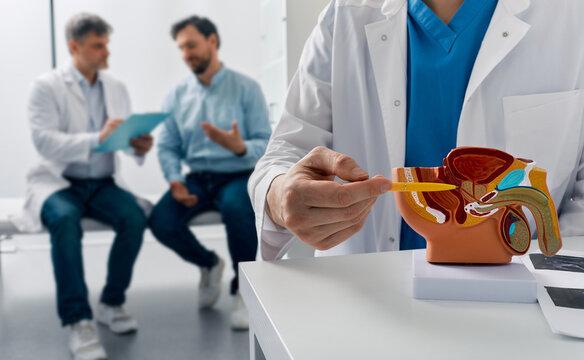
Bladder health is an essential aspect of overall well-being, yet many women tend to overlook symptoms that may indicate underlying problems. Ignoring bladder issues can lead to chronic discomfort, infections, and in some cases, more serious health complications. Understanding common bladder health problems, recognizing warning signs, and seeking timely medical advice are key to maintaining urinary tract health and improving quality of life.
1. Urinary Tract Infections (UTIs)
Urinary tract infections are one of the most frequent bladder issues in women. While occasional UTIs are common, recurrent infections can indicate underlying problems such as hormonal changes, poor hygiene habits, or structural abnormalities. Symptoms include burning sensation during urination, frequent urge to urinate, and cloudy or foul-smelling urine. Prompt treatment with antibiotics is important to prevent kidney involvement.
2. Overactive Bladder (OAB)
Overactive bladder is characterized by a sudden, strong urge to urinate, sometimes leading to incontinence. Women may ignore symptoms, attributing them to aging or stress, but untreated OAB can disrupt daily life and sleep patterns. Lifestyle changes, bladder training exercises, and medications can effectively manage OAB when addressed early.
3. Urinary Incontinence
Urinary incontinence is the involuntary leakage of urine. It often occurs during physical activity, coughing, sneezing, or laughing, and is commonly underreported due to embarrassment. Causes include weakened pelvic floor muscles, hormonal changes, pregnancy, and childbirth. Pelvic floor exercises, physical therapy, and in some cases, surgical interventions can help restore bladder control.
4. Interstitial Cystitis (Painful Bladder Syndrome)
Interstitial cystitis is a chronic condition that causes bladder pain, pressure, and frequent urination. Women may mistake the symptoms for recurrent UTIs, but standard antibiotics do not relieve the discomfort. Early diagnosis by a urologist is essential, and treatment may involve medications, bladder instillations, and dietary modifications.
5. Bladder Stones
Bladder stones form when minerals in concentrated urine crystallize. Women may experience pain, difficulty urinating, or blood in the urine. Ignoring bladder stones can lead to infections or obstruction. Treatment usually involves medical procedures to break or remove the stones.
6. Pelvic Organ Prolapse
Pelvic organ prolapse occurs when the bladder or other pelvic organs descend into the vaginal canal due to weakened support structures. Women may notice a feeling of pressure, urinary urgency, or incomplete emptying of the bladder. Physical therapy, lifestyle changes, and surgical options are available depending on severity.
7. Bladder Cancer
Though less common than other bladder conditions, bladder cancer can occur in women and is often underdiagnosed due to vague early symptoms. Blood in the urine, frequent urination, and pelvic pain may be warning signs. Early detection through medical evaluation and imaging significantly improves treatment outcomes.
8. Urinary Retention
Urinary retention is the inability to empty the bladder completely. It can be caused by nerve problems, medications, infections, or blockages. Symptoms include difficulty starting urination, weak urine flow, and feeling of incomplete emptying. Ignoring retention increases the risk of infections and bladder damage, making timely medical assessment crucial.
9. Hormonal Changes Affecting Bladder Function
Menopause and hormonal fluctuations can affect bladder health. Reduced estrogen levels lead to thinning of the bladder and urethral lining, making women more susceptible to UTIs, incontinence, and irritation. Hormone replacement therapy or topical estrogen treatments may help improve symptoms under medical supervision.
10. Chronic Dehydration and Irritation
Many women underestimate the impact of hydration and lifestyle on bladder health. Low fluid intake, excessive caffeine or alcohol consumption, and certain medications can irritate the bladder and contribute to frequent urination, urgency, and discomfort. Simple changes like increasing water intake, reducing irritants, and adopting a healthy diet can prevent chronic bladder issues.
When to Seek Medical Advice
Women should not ignore persistent bladder problems, as early detection and treatment can prevent complications. Seeking timely consultation with a healthcare provider or urologist is crucial, especially if symptoms include pain, blood in urine, frequent infections, or sudden changes in urinary habits. Proper evaluation may include urine tests, imaging, cystoscopy, or other diagnostic procedures.
Conclusion
Bladder health issues are common in women but often go unreported due to embarrassment, busy lifestyles, or misconceptions about ageing. From urinary tract infections and overactive bladder to hormonal changes and bladder stones, early recognition and treatment can prevent long-term complications and improve quality of life. Platforms like Instacare.pk provide easy access to trusted urologist in lahore, diagnostic services, and expert guidance, helping women take proactive steps to protect their bladder health and overall well-being.
 Turkish
 English
 Arabic
 French
 Spanish
 Portuguese
 Deutsch
 Dutch
Dutch
 Italiano
 Russian
 Romaian
 Portuguese (Brazil)
 Greek
Greek