


Building from Dirt to Doorstep: What People Don’t Tell You About Construction Loans
Most folks think getting a house built is simple. Buy land. Hire a builder. Move in. Real life doesn’t work like that. There’s a whole money maze in the middle, and that’s where construction loans come in. They’re not regular home loans. They don’t behave nicely. And if you walk into them blind, you can waste months and a lot of patience.
So let’s talk about it in plain English. No banker fluff. No shiny sales tone. Just how this stuff actually feels when you’re trying to build something that doesn’t exist yet.
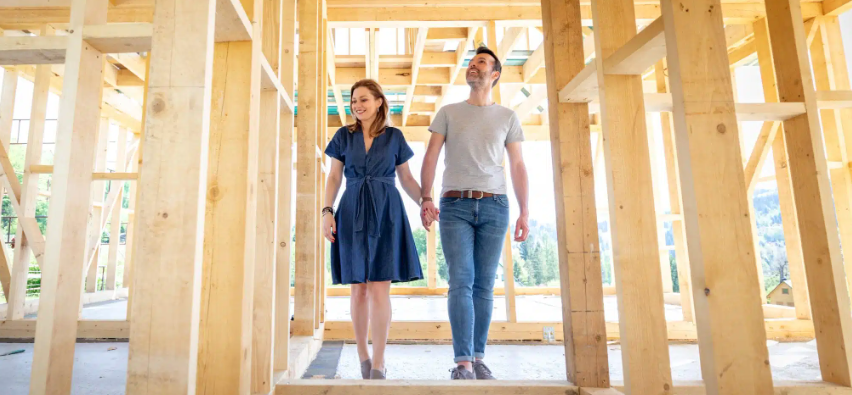
What a construction loan really is
A construction loan is basically a short-term loan that pays for the building process in chunks. Not all at once. The bank doesn’t hand you a big bag of cash and say “good luck.” They release money in stages. Foundation done? You get a draw. Framing finished? Another draw. Roof up? More money.
This protects the lender. It also keeps builders honest. But for you, it means paperwork. Inspections. Waiting. Sometimes more waiting.
These loans usually turn into a regular mortgage once the house is finished. That part is called a “construction-to-permanent” loan. One closing, two phases. Sounds smooth. It usually isn’t, but it’s still better than doing two separate loans if you can avoid it.
Why construction loans feel harder than regular mortgages
With a normal mortgage, there’s a house. The bank can see it. Touch it. Value it. With construction loans, they’re lending on something that exists only on paper and in your head. That makes lenders nervous.
They’ll want building plans. Contractor details. Timelines. Budgets. Backup budgets. And probably your firstborn. Just kidding. Mostly.
This is also why your credit, income, and cash reserves matter more here. Construction loans are riskier, so lenders tighten the screws a little. Higher down payment. More documentation. Fewer shortcuts.
It’s not personal. It’s math.
The role of a mortgage broker (and why they matter here)
This is where a mortgage broker can save your sanity. Not all brokers are created equal, but a good one understands construction loans and doesn’t pretend they’re the same as regular mortgages.
A broker shops lenders for you. Different banks have different rules. Some hate construction loans. Some love them. Some will only work with certain builders. A mortgage broker already knows who plays nice in this space.
Instead of you calling ten banks and hearing “we don’t do that,” a broker filters the noise. They also help translate bank language into something close to human speech.
If your builder says one thing and the bank says another, the broker is often the middle translator. That alone is worth it.
Budgeting for reality, not fantasy
Everyone underestimates build costs. Everyone. Lumber changes. Labor shifts. Permits surprise you. Suddenly your “perfect” budget looks like a joke.
Construction loans usually require a contingency buffer. That’s extra money baked into the loan to handle surprises. If you don’t use it, great. If you do, you’ll be glad it’s there.
This is also why the lender won’t just approve your dream number. They want your project to survive real-world chaos. Weather delays. Supply shortages. Contractor issues. Stuff happens.
The smartest borrowers plan for boring, ugly expenses like utility hookups and grading. The worst ones focus only on countertops and paint colors.
Draw schedules and why they slow things down
Draw schedules are the backbone of construction loans. Money comes out in phases. Each phase usually needs an inspection. Inspector says yes, bank releases funds.
Sounds simple. It’s not always fast.
If your builder finishes a phase on Friday and the inspector can’t come until Tuesday, you wait. Builder waits. Everyone waits. It’s part of the deal. Annoying, but normal.
Good communication helps. Builders who understand construction loans work better with the system. Builders who don’t can cause delays that feel personal even when they’re not.
Interest during construction
Here’s a weird part. During construction, you usually only pay interest on the money that’s been drawn so far. Not the full loan amount. So your payments start small and grow as more funds are released.
This is one of the few perks. You’re not paying a full mortgage while living somewhere else. But you are juggling two housing costs if you haven’t sold your old place yet. That catches people off guard.
Ask about this early. Know what your monthly payment looks like during the build phase, not just after.
Choosing the right lender matters more than people think
Not every lender handles construction loans well. Some treat them like a side project. Others have teams just for this type of lending.
Look for experience. Look for clarity. If they can’t explain their draw process in simple terms, that’s a red flag. If they dodge timeline questions, also a red flag.
A local lender often understands local builders and permit offices better. That can shave weeks off the process. Online-only lenders sometimes struggle with construction loans because every build is different.
Emotional side nobody warns you about
Building a house is exciting. It’s also stressful. You’ll second-guess choices. You’ll argue about outlets and windows. And money will always be in the background.
Construction loans magnify this because the project feels fragile. One delay feels like a disaster. It usually isn’t. It just feels that way.
Patience isn’t optional. It’s required.
Where construction loans actually make sense
They make sense if you want something specific. Land in a certain spot. A layout you can’t find. Or just a house that doesn’t feel like every other one on the street.
They don’t make sense if you need speed. Buying an existing home is faster. Cheaper upfront. Less paperwork. Less emotional wear and tear.
Construction loans are for people who care enough to go through the hassle.
Working with a mortgage broker and lender together
The smoothest builds happen when the lender, broker, and builder talk to each other. Not through you. Directly. When that triangle works, problems get solved faster.
A mortgage broker who knows construction loans can push paperwork where it needs to go. A lender who knows the builder’s track record can trust the process more. And a builder who understands draw schedules avoids cash flow drama.
It’s not magic. It’s coordination.
Final thoughts before you jump in
Construction loans aren’t scary. They’re just different. They ask more from you upfront. More planning. More proof. More patience.
But they also let you turn dirt into something permanent. Something yours. That’s the tradeoff.
If you’re serious about building and want guidance that doesn’t feel like a maze, start with people who actually do this every day. A lender who understands construction loans. A mortgage broker who knows which doors open. And a builder who respects timelines and budgets.

FAQs
What’s the main difference between construction loans and regular mortgages?
Construction loans fund a build in stages instead of paying for an existing house all at once. Regular mortgages are based on a finished property. With construction loans, the house doesn’t exist yet, so the process involves inspections, draw schedules, and more paperwork.
Do I need a mortgage broker for a construction loan?
You don’t have to use a mortgage broker, but it helps. A broker who understands construction loans can match you with lenders that actually want this type of loan and guide you through rules that change from bank to bank.
How much down payment do construction loans usually require?
It’s often higher than a standard mortgage. Many lenders want 20 percent or more, depending on your credit, the project, and the land value. Every lender sets its own rules, so this can vary.
Can construction loans turn into a regular mortgage later?
Yes. Many are designed to convert into a permanent mortgage once the house is finished. This is called a construction-to-permanent loan, and it saves you from applying for a second loan later.
 Italiano
 English
 Arabic
 French
 Spanish
 Portuguese
 Deutsch
 Turkish
 Dutch
Dutch
 Russian
 Romaian
 Portuguese (Brazil)
 Greek
Greek