


Tube Feeding Supplies for Pediatric and Elderly Patients
Introduction
Tube feeding supplies are essential medical products that support patients who cannot consume food orally. Pediatric and elderly patients often require tube feeding due to medical conditions, developmental issues, or age-related challenges. Choosing the right tube feeding supplies ensures proper nutrition, safety, and comfort. This blog explores the types, uses, and best practices of tube feeding supplies specifically designed for pediatric and elderly patients.
What Are Tube Feeding Supplies?
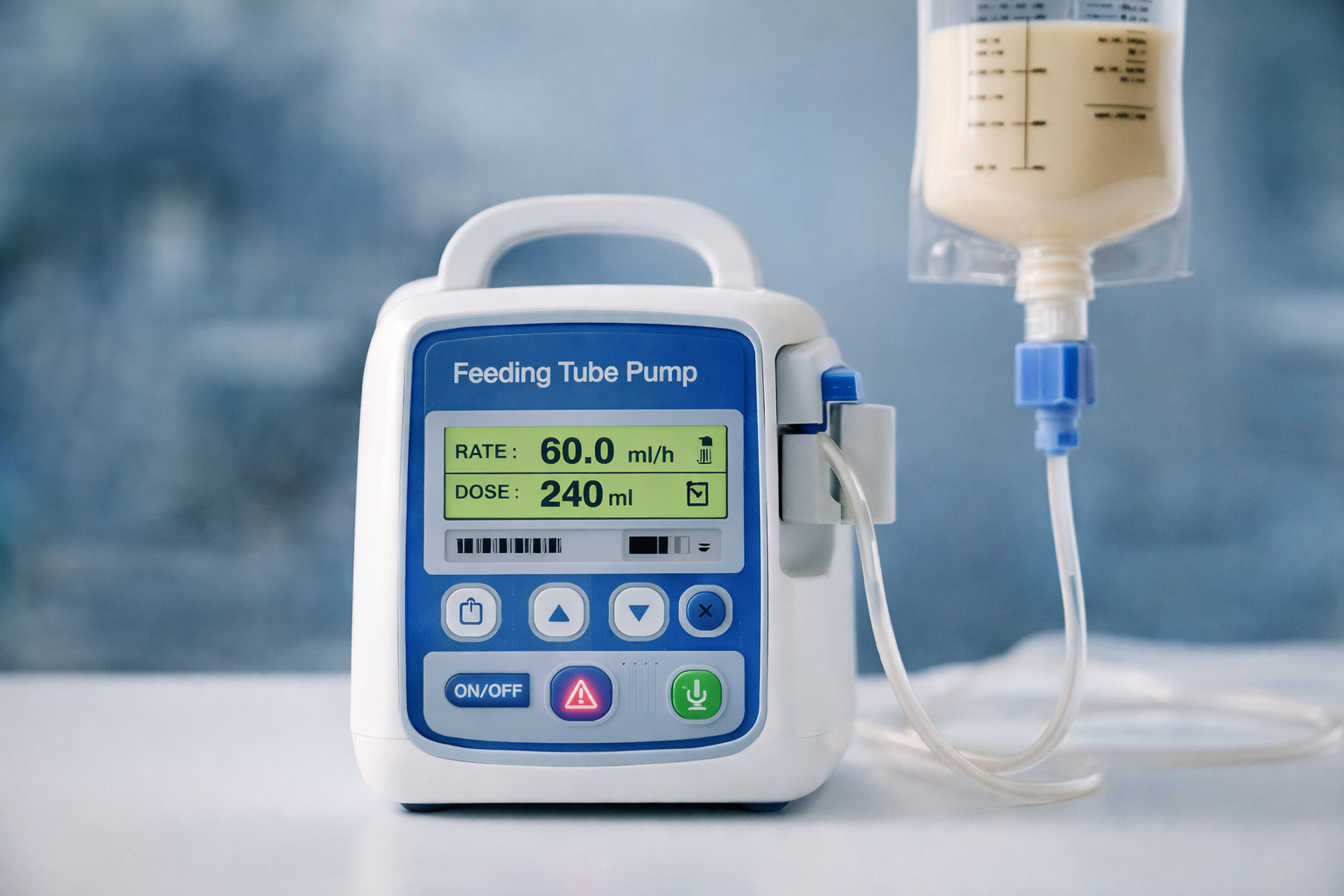
Tube feeding supplies include all the equipment required to deliver liquid nutrition directly into the stomach or intestine. These supplies work alongside feeding tubes and pumps to ensure controlled and hygienic nutrition delivery.
Common tube feeding supplies include feeding tubes, feeding pumps, syringes, feeding bags, connectors, extension sets, and cleaning accessories. Each component plays a vital role in patient care.
Importance of Tube Feeding Supplies for Pediatric Patients
Children with congenital conditions, neurological disorders, or premature birth complications often rely on tube feeding. Pediatric patients require specially designed tube feeding supplies to match their smaller anatomy and sensitive digestive systems.
Key Considerations for Pediatric Patients
-
Smaller tube sizes for comfort
-
Soft, flexible materials to reduce irritation
-
Precise feeding control to avoid overfeeding
-
Easy-to-use supplies for caregivers
Using age-appropriate tube feeding supplies helps support healthy growth and development while reducing complications.
Importance of Tube Feeding Supplies for Elderly Patients
Elderly patients may need tube feeding due to stroke, dementia, cancer, or swallowing difficulties. For them, tube feeding supplies must focus on ease of use, safety, and infection prevention.
Key Considerations for Elderly Patients
-
Durable and leak-proof feeding bags
-
Easy-to-handle connectors and syringes
-
Consistent flow control for digestion
-
Supplies that minimize caregiver strain
Well-designed tube feeding supplies help elderly patients maintain nutrition while improving comfort and quality of life.
Types of Tube Feeding Supplies
Feeding Tubes
Feeding tubes come in different types, such as NG tubes, PEG tubes, and G-tubes. Selection depends on patient age, condition, and duration of feeding.
Feeding Pumps
Feeding pumps provide accurate and controlled nutrition delivery. They are especially useful for pediatric and elderly patients who need slow, consistent feeding.
Feeding Bags and Sets
Disposable feeding bags and administration sets ensure hygiene and reduce infection risks. Regular replacement is recommended.
Syringes and Accessories
Syringes are used for bolus feeding, flushing tubes, and administering medications safely.
Safety and Hygiene in Tube Feeding Supplies
Maintaining cleanliness is crucial when using tube feeding supplies. Pediatric and elderly patients have weaker immune systems, making hygiene even more important.
Best practices include:
-
Regular cleaning and replacement of supplies
-
Proper storage of feeding equipment
-
Following manufacturer and medical guidelines
-
Monitoring for blockages or leaks
Safe handling reduces the risk of infections and feeding complications.
How to Choose the Right Tube Feeding Supplies
Selecting the right tube feeding supplies depends on multiple factors, including patient age, medical condition, feeding method, and caregiver capability.
Selection Tips
-
Consult a healthcare professional
-
Choose medically approved supplies
-
Ensure compatibility with feeding pumps
-
Prioritize comfort and safety
Reliable suppliers also provide guidance to ensure correct usage.
Role of Trusted Medical Suppliers
Purchasing tube feeding supplies from a trusted medical store ensures product authenticity, proper guidance, and ongoing support. Reliable suppliers help caregivers understand product usage and replacement schedules.
FAQs: Tube Feeding Supplies
Q1. What are tube feeding supplies used for?
Tube feeding supplies deliver liquid nutrition safely to patients who cannot eat orally due to medical or age-related conditions.
Q2. Are tube feeding supplies different for children and elderly patients?
Yes, pediatric supplies are smaller and softer, while elderly supplies focus on durability, comfort, and ease of handling.
Q3. How often should tube feeding supplies be replaced?
Most disposable supplies should be replaced every 24–48 hours, while reusable items require regular cleaning and inspection.
Q4. Can tube feeding supplies be used at home?
Yes, tube feeding supplies are commonly used in home care with proper training and guidance from healthcare professionals.
Q5. Are tube feeding supplies covered by insurance?
Many insurance plans cover tube feeding supplies when prescribed, but coverage depends on medical necessity and policy terms.
Conclusion
Tube feeding supplies play a vital role in supporting the nutritional needs of pediatric and elderly patients. Choosing the right products ensures safety, comfort, and effective care. A trusted provider makes this process easier by offering quality products and expert support. All Care Store is committed to delivering reliable tube feeding supplies that help patients and caregivers manage nutrition needs with confidence and peace of mind.
 Italiano
 English
 Arabic
 French
 Spanish
 Portuguese
 Deutsch
 Turkish
 Dutch
Dutch
 Russian
 Romaian
 Portuguese (Brazil)
 Greek
Greek