


How to Address the Challenges in Multi-Material Tension Control
In today's diverse manufacturing landscape, the ability to process various materials with precision and efficiency is paramount. Multi-material processing presents unique challenges in tension control due to the varying properties and behaviors of different materials. Effective tension control systems are crucial to ensuring high-quality products and optimizing production processes.

Key Challenges in Multi-Material Tension Control
Diverse Material Properties: Each material has distinct characteristics, including tensile strength, elasticity, and thickness, that influence its behavior during processing.
Variable Processing Conditions: Factors like speed, temperature, and humidity can significantly affect material properties and require adjustments to tension control.
Complex Machine Setup: Handling multiple materials on a single production line demands intricate machine configurations and calibration.
Real-Time Monitoring and Adjustment: Accurate and timely adjustments are essential for maintaining consistent tension.
Quality Assurance: Ensuring defect-free and uniform products is crucial in multi-material processing.
Operator Expertise: Skilled operators are needed to manage complex tension control systems effectively.

Advancements in Tension Control Systems
To address these challenges, manufacturers are turning to innovative tension control technologies:
Adaptive Control Algorithms: These advanced tension control algorithms use machine learning to dynamically adjust tension settings based on real-time data.
Multi-Sensor Integration: Combining various sensors (e.g., load cells, ultrasonic sensors, laser sensors) provides comprehensive material monitoring.
Intelligent Feedback Systems: These systems use sensor data to make real-time adjustments and ensure consistent tension.
Modular Design: Modular systems offer flexibility and scalability to accommodate different materials and processing needs.
Digital Twin Technology: Creating virtual replicas of physical systems enables simulation, optimization, and predictive analytics.
Predictive Maintenance: Using data analytics to predict maintenance needs and minimize downtime.
Benefits of Advanced Tension Control
Improved Quality: Consistent tension ensures product uniformity and reduces defects.
Increased Efficiency: Automated adjustments and predictive maintenance minimize downtime.
Enhanced Flexibility: Modular systems allow for easy adaptation to different materials and processes.
Cost Savings: Reduced waste and improved efficiency can lead to significant cost savings.
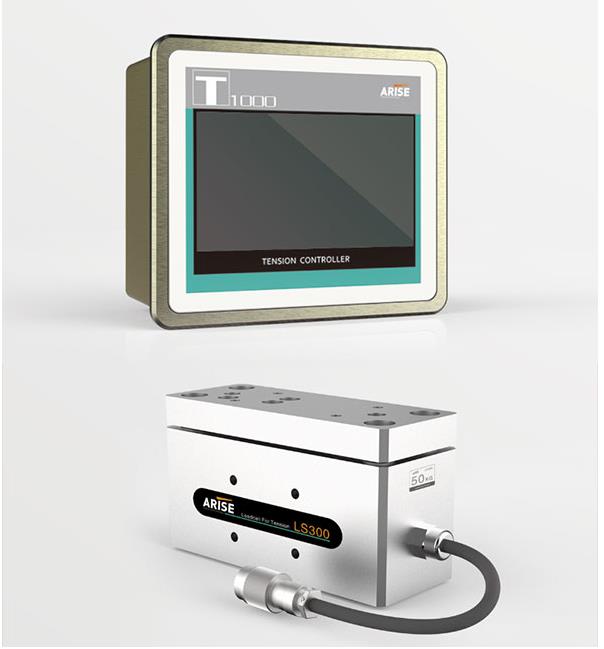
As manufacturing continues to evolve, advanced tension control systems will play a vital role in enabling efficient, high-quality production of diverse materials. By addressing the challenges and leveraging innovative technologies, manufacturers can stay competitive and meet the demands of the modern market.
 Russian
 English
 Arabic
 French
 Spanish
 Portuguese
 Deutsch
 Turkish
 Dutch
Dutch
 Italiano
 Romaian
 Portuguese (Brazil)
 Greek
Greek