


How to Choose a Bird Cage for Your Feathered Friend
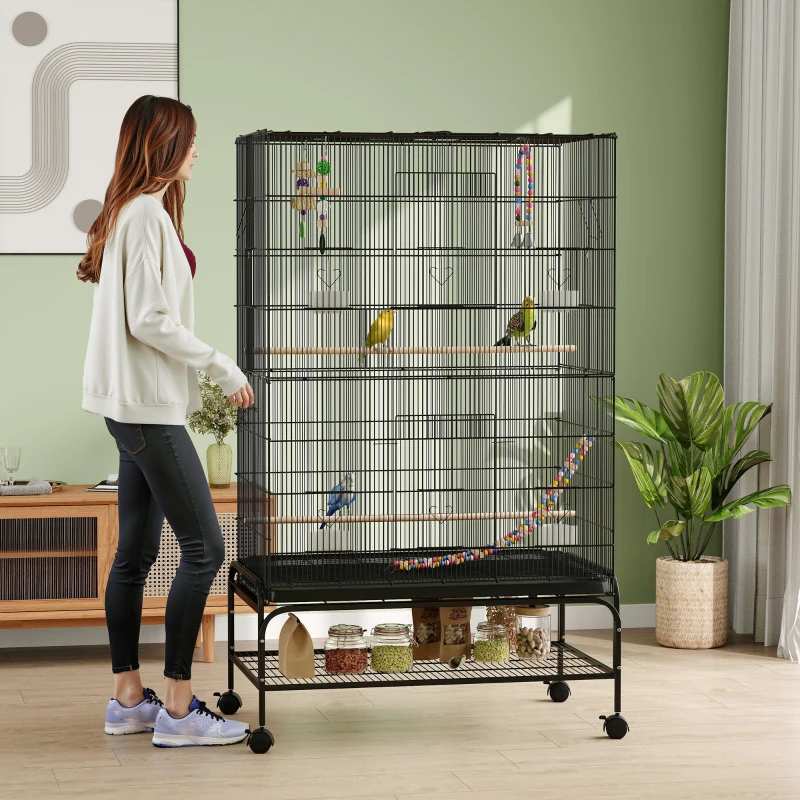
Choosing the right bird cage for your feathered companion is an essential part of their wellbeing. Not only does the cage serve as their home, but it’s also where they’ll spend a lot of time eating, playing, and resting. A proper birdcage will provide a safe and comfortable environment for your pet while fitting seamlessly into your living space. Here’s how you can pick the ideal bird cage to meet your bird’s needs.
1. Consider Your Bird’s Size and Species
Birds come in a variety of sizes and species, and their cage needs will differ based on these factors. A small parakeet or finch requires much less space than a large parrot or cockatoo.
-
Small Birds (e.g., canaries, budgies): These birds generally need a cage that is wide rather than tall, as they prefer to fly horizontally. A cage with bar spacing of ½ inch to ¾ inch will work well for these smaller species.
-
Medium to Large Birds (e.g., cockatiels, parrots): Larger birds need more room to spread their wings and exercise. Their cages should be spacious, and bar spacing should be wider, usually between ¾ inch to 1 inch depending on the species.
2. Choose the Right Cage Shape
When it comes to bird cages, shape matters. The shape of the cage will determine how easily your bird can move around, spread its wings, and interact with its environment.
-
Rectangular or Square Cages: These cages offer more usable space, making them suitable for most birds. They allow for the installation of perches, toys, and food bowls at varying levels.
-
Round Cages: These cages are often discouraged for many bird species because they lack corners for birds to rest and feel secure. However, they are still acceptable for small birds like finches.
3. Bar Spacing and Material
Bar spacing and the material of the cage are critical for safety and comfort.
-
Bar Spacing: If the spacing is too wide, your bird may escape or get stuck, while too narrow spacing can make it difficult for birds to navigate. Generally, smaller birds require closer bars (about ½ inch), while larger birds need wider spacing (¾ inch to 1 inch). Always check the spacing to ensure it fits your bird’s size and abilities.
-
Material: Cages are made from various materials, including stainless steel, wrought iron, and powder-coated metals. Stainless steel is durable and easy to clean but tends to be more expensive. Powder-coated cages are more affordable but may be less durable. Avoid cages with toxic materials or painted surfaces that could harm your bird if chewed.
4. Adequate Space and Room for Movement
Birds need space to fly, stretch their wings, and engage in physical activities. A good rule of thumb is to choose a cage that is at least two to three times the size of your bird’s wingspan when it’s fully extended. For larger birds, consider a flight cage, which provides ample room for them to exercise.
-
Perches and Platforms: Your bird will need a variety of perches to stand on, and these should be placed at different levels to encourage movement. Natural wood perches are a great choice since they allow for natural foot exercise and are safer than plastic perches.
-
Toys and Enrichment: Be sure to choose a cage with enough space to add enrichment toys. Your bird’s environment should stimulate mental and physical activity, so include swings, bells, and other interactive toys.
5. Ease of Cleaning
A bird’s cage should be easy to clean to maintain a healthy environment. Birds can be messy, and a cage with a pull-out tray at the bottom will make cleaning much easier. Opt for cages with smooth surfaces that can be wiped down, as rough or textured surfaces may trap food and waste, making it difficult to clean.
6. Location and Accessibility
Think about where you plan to place the cage. Birds prefer natural light, so place the cage near a window, but avoid direct sunlight, which can cause overheating. Additionally, consider the amount of space in your room, as a large cage may dominate the area.
-
Accessibility: Make sure the cage has doors that are easy to open and close for feeding and cleaning. Some cages come with multiple doors or removable trays for easy access. If you have a larger bird, check that the cage’s door is large enough for them to enter and exit comfortably.
7. Safety Features
Safety should always be a priority when choosing a birdcage. Look for cages with secure latches that your bird cannot open. Avoid cages with sharp edges or points that could hurt your bird. Also, ensure that there are no removable parts that your bird could swallow or get trapped in.
8. Additional Considerations
-
Portable Options: If you want to move your bird’s cage occasionally, look for one with wheels for easy relocation. This is especially helpful for large cages.
-
Style and Aesthetics: While functionality is important, don’t forget about how the cage will look in your home. Many birdcages now come in stylish designs that blend well with modern décor, so you don’t have to compromise on aesthetics.
Choosing the right bird cage is essential for your bird’s comfort, safety, and wellbeing. By considering the size, species, and specific needs of your bird, you can create a space that allows them to thrive. Remember, a cage should be more than just a place for your bird to sleep, it should be a stimulating and enjoyable environment that supports their physical and mental health. With the right cage, your feathered friend will have a happy, healthy home for many years to come.
 Greek
Greek
 English
 Arabic
 French
 Spanish
 Portuguese
 Deutsch
 Turkish
 Dutch
Dutch
 Italiano
 Russian
 Romaian
 Portuguese (Brazil)