


Different Types of Lifeboats: What are Key Consideration for Selecting the Right Type
Lifeboats, integral components of maritime safety equipment, play a vital role in ensuring the well-being of individuals at sea during emergencies. Over the years, various types of lifeboats have been developed to address diverse maritime needs, offering solutions for evacuating and safeguarding crew and passengers. This article explores the different types of lifeboats, their designs, specific applications in maritime safety, and key considerations for selecting the most suitable lifeboat.
Common Types of Lifeboats:
Open Lifeboats:
Open lifeboats, with their simple and traditional design, have stood the test of time. Constructed from materials like wood, fiberglass, or reinforced plastic, these boats lack a roof, allowing for quick and easy boarding. Found on smaller vessels, they are manually propelled using oars or a small outboard motor.
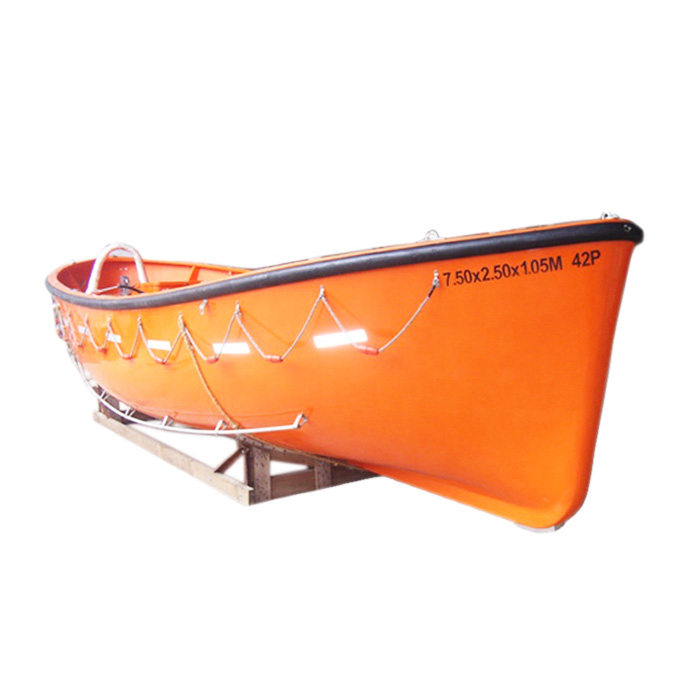
Enclosed Lifeboats:
Enclosed lifeboats feature a protective canopy or roof, offering additional protection against adverse weather conditions. These lifeboats often come equipped with survival equipment, communication systems, and emergency supplies. Suitable for various vessels, including cargo and passenger ships, they provide a sheltered environment for occupants.
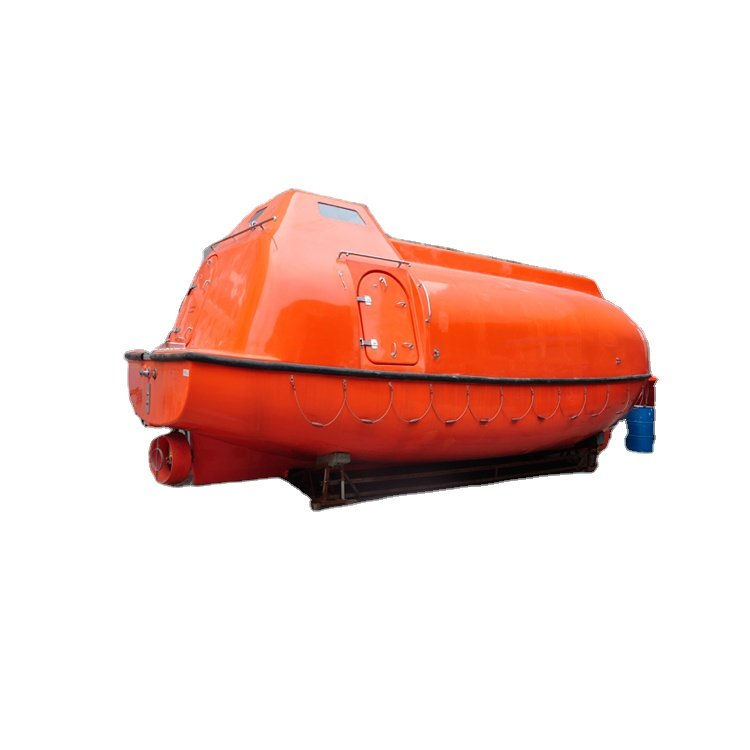
Freefall Lifeboats:
Specifically designed for rapid deployment, freefall lifeboats are launched from an elevated position on a ship's deck. Their freefall descent enables quick entry into the water, ensuring timely evacuation during critical situations.
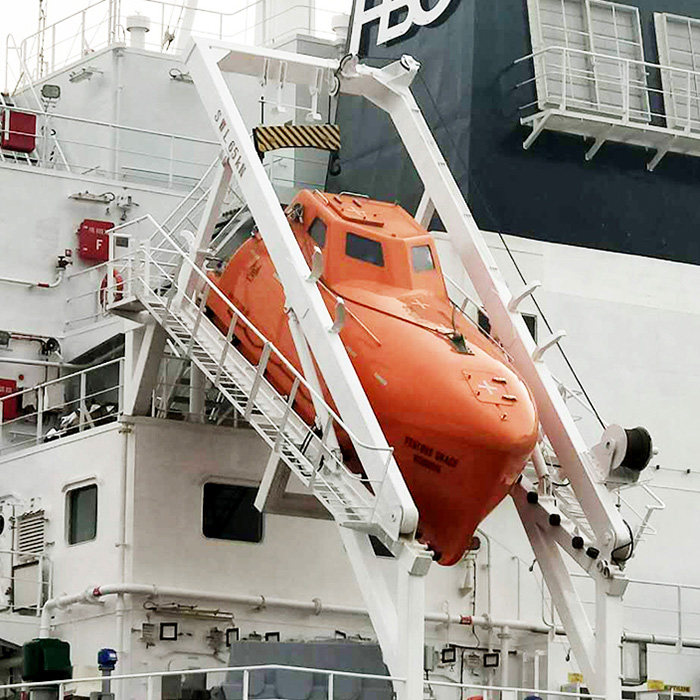
Fast Rescue Craft (FRC):
Fast rescue craft (FRCs) are agile, smaller vessels designed for rapid response and rescue operations. Deployed on larger vessels like passenger ferries and offshore installations, FRCs offer quick maneuverability and can swiftly reach locations for emergency assistance.
Davit-Launched Lifeboats:
Davit-launched lifeboats are commonly used on ships and offshore platforms. Launched using mechanical davits, these lifeboats can be open or enclosed, providing versatility in their application. Known for their dependability and ease of use, davit-launched lifeboats are integral to maritime safety.
Inflatable Lifeboats:
Inflatable lifeboats utilize inflatable tubes for buoyancy and stability. Lightweight and easy to store and deploy, these lifeboats are commonly used on smaller vessels such as yachts and offshore installations. They offer design flexibility, with options for open or enclosed configurations.
Combination Lifeboats:
Combining features from various types, combination lifeboats aim to provide a comprehensive solution. For instance, a combination lifeboat may feature an enclosed design with inflatable elements, combining the strengths of different designs to enhance safety and versatility.
Key Considerations to Select the Most Appropriate Type of Lifeboats:
Vessel Type and Size:
Consider the size and type of the vessel, as larger vessels may require lifeboats with greater capacity and additional features.
Occupancy Capacity:
Evaluate the maximum number of people the lifeboat needs to accommodate during emergencies.
Operational Environment:
Assess the typical operating conditions and environmental factors where the vessel operates, ensuring the lifeboat can withstand specific sea conditions.
Launch and Recovery Method:
Consider the method of launching and recovering the lifeboat based on the vessel's layout and evacuation speed requirements.
Survivability Features:
Evaluate features such as stability, self-righting capabilities, and the ability to withstand extreme weather conditions.
Accessibility and Ease of Boarding:
Consider how easy it is to board the lifeboat, especially in challenging conditions.
Special Requirements:
Determine any special requirements based on the vessel's operations, such as the need for rapid evacuation or additional safety measures.
Regulatory Compliance:
Ensure that the selected lifeboat complies with international and national regulations and standards.
Training and Familiarization:
Consider the training requirements for operating the lifeboat and ensure crew members are familiar with its features.
Maintenance and Inspection:
Assess the ease of maintenance and inspection for the chosen lifeboat to ensure ongoing reliability.
Cost Considerations:
Balance budgetary concerns with the need for a dependable and efficient lifeboat, considering overall lifecycle costs.
Conclusion:
Selecting the right type of lifeboat is a critical decision for maritime safety, involving a thorough examination of the vessel's characteristics, operational environment, and safety requirements. By carefully considering these factors, vessel operators can ensure that the chosen lifeboat is well-suited to handle emergency situations, serving as a crucial component in maritime safety and evacuation procedures.
 Deutsch
 English
 Arabic
 French
 Spanish
 Portuguese
 Turkish
 Dutch
Dutch
 Italiano
 Russian
 Romaian
 Portuguese (Brazil)
 Greek
Greek