


Village Life and Local Culture Along the Har Ki Dun Trail
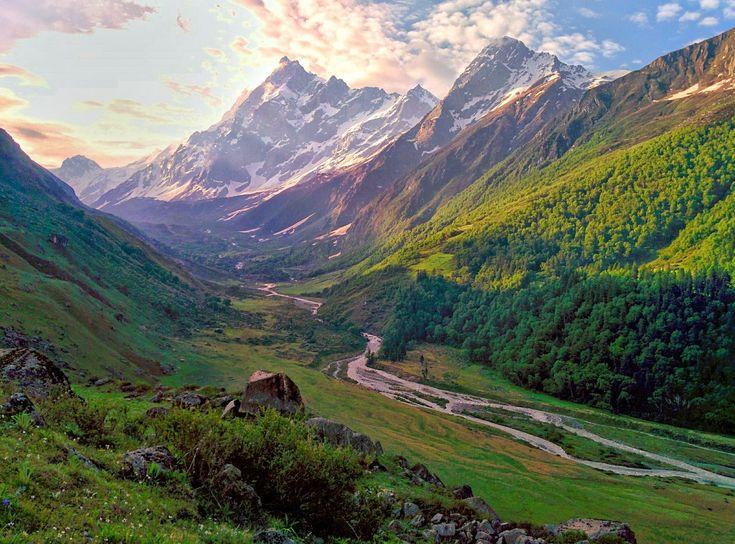
The Har Ki Dun Valley is not just a scenic Himalayan trek; it is a living museum of ancient village life, timeless traditions, and deep-rooted cultural practices. Tucked away in the Govind Pashu Vihar National Park of Uttarakhand, this cradle-shaped valley offers trekkers a rare chance to experience authentic mountain culture while walking through forests, alpine meadows, and river valleys. For travelers choosing a HarkiDun Trek package from Dehradun, the journey becomes even more meaningful as it blends natural beauty with human stories that have survived for centuries.
A Glimpse Into Remote Himalayan Villages
The Har Ki Dun trail passes through some of the oldest villages in the Garhwal Himalayas, including Sankri, Taluka, Osla, and Seema. These settlements are relatively untouched by modern urban influence, allowing visitors to witness a simple yet self-sufficient way of life.
Stone-and-wood houses with slate roofs dominate the landscape, designed to withstand heavy snowfall and harsh winters. Each home often includes space for livestock, reflecting the strong bond between villagers and their animals. Farming, cattle rearing, and seasonal migration remain central to survival in this high-altitude region.
Osla Village: The Cultural Heart of Har Ki Dun
Among all villages on the route, Osla village stands out for its cultural richness. Perched at around 2,560 meters, Osla is known for its traditional wooden architecture and the famous Someshwar Mahadev Temple, believed to be linked to the Mahabharata era.
Local legends say that Duryodhana, a key character from the epic Mahabharata, was worshipped here, making Osla culturally unique. Intricately carved doors and balconies tell stories through patterns inspired by mythology and nature. Spending time in Osla during the Har Ki Dun trek offers insight into how history, faith, and daily life blend seamlessly in the mountains.
Traditional Clothing and Handwoven Craft
Villagers along the Har Ki Dun trail still wear traditional woolen attire, especially during colder months. Men are often seen wearing woolen caps and long coats, while women adorn themselves in colorful shawls and patterned dresses.
Handwoven wool products such as blankets, socks, and caps are crafted locally using age-old techniques. These items are not only practical but also represent generations of skill passed down through families. For trekkers, observing or purchasing these handmade goods supports local livelihoods and preserves traditional craftsmanship.
Local Cuisine: Simple, Nutritious, and Seasonal
Food in the Har Ki Dun villages reflects the rhythm of mountain life. Meals are primarily vegetarian and prepared using locally grown ingredients like mandua (finger millet), rajma, potatoes, and leafy greens.
Staples such as mandua roti, rice, dal, and seasonal vegetables are common. During your stay in homestays or village camps, you may also taste traditional Garhwali dishes flavored with minimal spices yet rich in nutrition. The simplicity of the food mirrors the villagers’ close connection with nature and sustainable living.
Festivals and Community Life
Festivals play an important role in strengthening community bonds along the Har Ki Dun trail. Celebrations are often tied to agricultural cycles, seasonal changes, and religious beliefs. Villagers come together for folk dances, music, and rituals that have remained unchanged for generations.
Life here moves at a slower pace, governed by sunrise, weather patterns, and farming schedules. Visitors often notice the warmth and hospitality of locals, who welcome trekkers with genuine smiles and stories of mountain life.
Language, Beliefs, and Oral Traditions
The primary language spoken in the region is Garhwali, though many locals understand basic Hindi. Storytelling is a cherished tradition, with elders sharing folk tales, myths, and historical accounts by the fire during evenings.
Religious beliefs are deeply interwoven with nature. Rivers, mountains, and forests are revered, reinforcing a strong sense of environmental respect. This cultural mindset aligns perfectly with eco-friendly trekking practices encouraged by responsible operators like Himalaya Tribe.
Check out other Treks from Himalaya Tribe:
Responsible Tourism and Cultural Preservation
Choosing a well-organized HarkiDun Trek package from Dehradun ensures that tourism benefits local communities while preserving their heritage. Responsible trekking supports village economies through homestays, local guides, porters, and produce sourcing.
Trekkers are encouraged to respect customs, dress modestly in villages, avoid plastic waste, and engage with locals respectfully. Such mindful travel helps maintain the fragile balance between tourism and tradition in the Har Ki Dun Valley.
Why Village Life Makes the Har Ki Dun Trek Special
While snow-clad peaks, alpine meadows, and river crossings define the physical beauty of Har Ki Dun, it is the people and their stories that leave a lasting impression. Walking through villages where time seems to stand still adds emotional depth to the trek, making it more than just a mountain adventure.
With Himalaya Tribe, trekkers experience not only well-planned trails and safety but also authentic cultural interactions that turn the Har Ki Dun trek into a journey of discovery.
FAQs: Village Life and Culture on the Har Ki Dun Trek
Q1. Which villages are covered during the Har Ki Dun trek?
The trek typically passes through Sankri, Taluka, Osla, and Seema villages.
Q2. Can trekkers stay in local villages during the trek?
Yes, some itineraries include homestays or village-based accommodations, offering cultural immersion.
Q3. What is unique about Osla village?
Osla is known for its Someshwar Mahadev Temple, wooden architecture, and Mahabharata-linked folklore.
Q4. Is it safe to interact with locals during the trek?
Yes, villagers are friendly and welcoming. Respecting local customs enhances the experience.
Q5. Why choose a HarkiDun Trek package from Dehradun?
Starting from Dehradun ensures smooth logistics, experienced guides, and access to authentic village experiences with trusted operators like Himalaya Tribe.
About Himalaya Tribe
Himalaya Tribe is known as the Best trekking company in Uttarakhand and a trusted Best trekking tour operator Dehradun, offering immersive Himalayan experiences including the iconic Valley of Flowers Trek and Har Ki Dun adventures with a strong focus on culture, safety, and sustainability.
 Italiano
 English
 Arabic
 French
 Spanish
 Portuguese
 Deutsch
 Turkish
 Dutch
Dutch
 Russian
 Romaian
 Portuguese (Brazil)
 Greek
Greek