


Early Sign of Villous Adenomas: Why Screening Matters
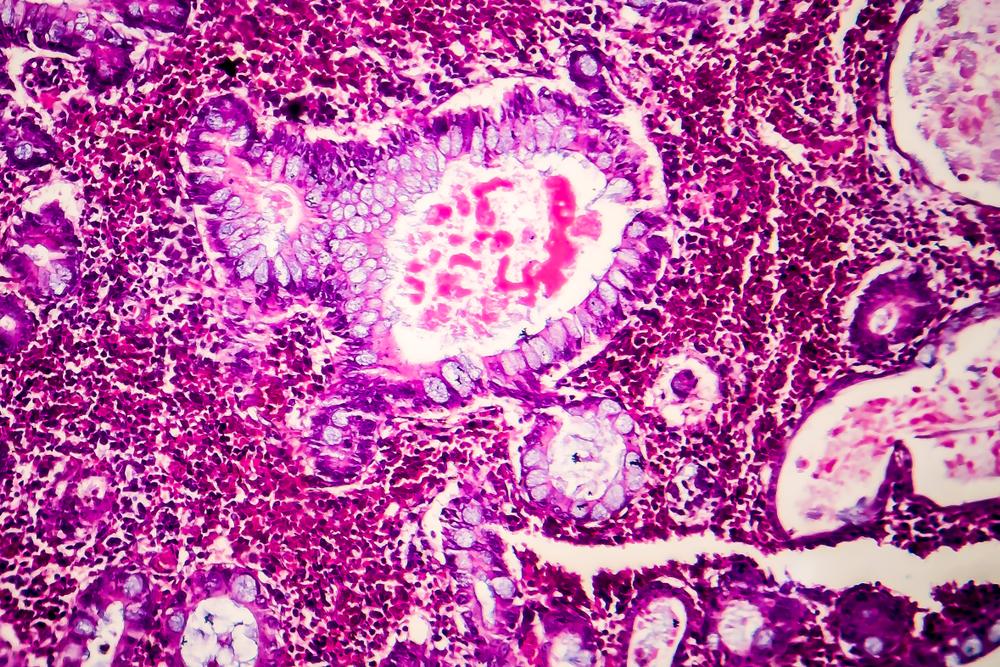
Villous adenomas are a type of growth in the colon that can quietly develop over time. If you or someone you know is concerned about colon health, understanding the importance of screening for villous adenomas is key. These polyps can sometimes turn cancerous if left undetected, so early awareness and timely testing can make a big difference.
Many people do not realize that villous adenomas often do not cause noticeable symptoms in the early stages. That is why regular screening matters. Detecting them early allows doctors to remove polyps before they develop into colorectal cancer, helping prevent serious health complications later on.
What Are Villous Adenomas?
Villous adenomas are abnormal growths that develop in the lining of the colon. They are considered precancerous, meaning they have the potential to become malignant over time. Unlike other types of polyps, villous adenomas tend to grow larger and may have a flatter, broader shape.
Not all polyps turn into cancer, but villous adenomas carry a higher risk than some other types. They are most commonly found in the rectum and sigmoid colon. Understanding what they are helps patients and caregivers take the necessary steps for monitoring and prevention.
How Villous Adenomas Develop
These adenomas develop when the cells in the colon lining start growing abnormally. The process is gradual and often silent. Genetic factors, age, and certain lifestyle choices all contribute to their formation.
For instance, people with a family history of colorectal cancer are at higher risk. Similarly, chronic inflammation in the colon can trigger changes that eventually lead to villous adenomas. Making healthy lifestyle choices does not guarantee prevention but can significantly reduce risk over time.
Early Signs and Symptoms
Villous adenomas often remain symptom-free in the beginning. This is why regular screening is so important, even if you feel healthy. However, some signs may appear as the growth enlarges.
Early warning signs include:
- Changes in bowel habits, like diarrhea or constipation
- Blood in stool or rectal bleeding
- Abdominal cramping or discomfort
- Unexplained weight loss
Even mild symptoms should not be ignored. Consulting a healthcare provider promptly can ensure early evaluation and reduce the chance of complications.
Risk Factors for Villous Adenomas
Several factors increase the likelihood of developing villous adenomas. Age is a major factor, as people over 50 are more commonly affected. Family history of colorectal cancer also raises risk. Lifestyle choices, such as diet, smoking, and alcohol consumption, can contribute.
Other risk factors include:
- High-fat, low-fiber diet
- Chronic colon inflammation, like from ulcerative colitis
- Smoking or long-term heavy alcohol use
Knowing your risk factors can help you and your doctor decide on the best screening schedule. Awareness combined with action often improves outcomes significantly.
Why Screening Is Important
Screening plays a critical role in preventing colorectal cancer. By identifying villous adenomas early, healthcare providers can remove them before they turn malignant. Regular testing increases the chances of detecting growths before symptoms appear, which is often when treatment is most effective.
Screening not only protects your health but also gives peace of mind. Many patients feel empowered once they understand their risk and take steps toward regular monitoring.
Types of Screening Methods
There are several effective screening methods for villous adenomas:
- Colonoscopy: It allows doctors to see the entire colon and remove polyps during the procedure.
- Fecal Immunochemical Test (FIT): Detects hidden blood in the stool, which can be a sign of polyps or cancer.
- CT Colonography (Virtual Colonoscopy): Uses imaging to visualize the colon when a traditional colonoscopy isn’t possible.
Each method has its benefits and limitations, but all contribute to early detection and improved outcomes.
Preparing for Screening
Preparation for screening is simple but important. For colonoscopies, patients follow a specific bowel prep plan to ensure clear results. Instructions usually include dietary restrictions and laxatives before the procedure.
Following these steps carefully increases the accuracy of the test. Most patients find that knowing what to expect and preparing properly helps reduce anxiety and ensures the process is smooth and effective.
When to Seek Medical Advice
Even if you feel healthy, it is important to see a healthcare provider regularly. Screening schedules vary based on age, family history, and risk factors.
Seek medical advice promptly if you notice:
- Persistent blood in stool
- Unexplained changes in bowel habits
- Ongoing abdominal pain or discomfort
Early consultation ensures that any growths are evaluated and treated before complications arise.
Lifestyle Measures to Reduce Risk
In addition to screening, lifestyle choices can help reduce the risk of villous adenomas.
Simple steps include:
- Eating more fruits, vegetables, and whole grains
- Exercising regularly and maintaining a healthy weight
- Avoiding tobacco products
- Limiting alcohol consumption
While these steps cannot guarantee prevention, they support overall colon health and make the body more resilient to abnormal cell growth.
Conclusion
Early detection and proactive care are essential for managing the risk of villous adenomas. Regular screening, combined with healthy lifestyle choices, can prevent progression to colorectal cancer and improve overall outcomes. Paying attention to subtle symptoms, maintaining a balanced diet, and following medical advice all contribute to better health.
At NHO Revive, the focus is on patient-centered clinical research that explores innovative treatment approaches. Patients can join colorectal cancer clinical trials to access new studies while receiving safe, high-quality care. Taking part in research, alongside preventive screening and lifestyle adjustments, can make a meaningful difference in your health journey.
 Italiano
 English
 Arabic
 French
 Spanish
 Portuguese
 Deutsch
 Turkish
 Dutch
Dutch
 Russian
 Romaian
 Portuguese (Brazil)
 Greek
Greek