


Turning Manual Bottlenecks Into Automated Momentum
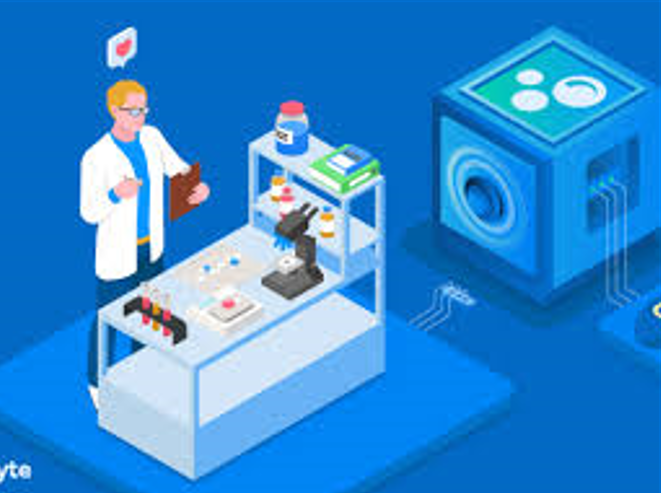
Every business faces them: the manual bottlenecks that slow everything down. Whether it's repetitive tasks, slow approval processes, or data entry that seems to take forever, these bottlenecks eat up valuable time, frustrate employees, and hinder growth. The good news? Digital Process Automation (DPA) is here to turn that slowdown into a surge of momentum.
With Digital Process Automation, the tasks that once bogged you down become streamlined, fast, and efficient. This technology takes repetitive processes off human hands, transforming the way your business operates. But how exactly does DPA help you turn manual bottlenecks into automated momentum? Let’s break it down.
The Hidden Cost of Manual Bottlenecks
Bottlenecks occur when processes are too slow or cumbersome to keep up with demand. In a manual process, there are usually multiple points where information needs to be entered, approved, or validated by people. These steps not only take time but are also prone to errors, inconsistencies, and delays. Here’s why manual bottlenecks cost businesses:
1. Wasted Time and Human Resources
Human error, waiting for approvals, and redundant data entry all add up to significant lost time. According to a study by McKinsey, businesses that automate their processes can reduce their operational costs by up to 30%. The time saved on manual processes allows employees to focus on tasks that require critical thinking, creativity, and human judgment rather than routine and repetitive work.
2. Slower Decision-Making
When information has to be reviewed by multiple people or passed between different systems, decisions get delayed. For example, a procurement process may stall because approval steps are spread out over days or weeks. The lack of visibility into real-time data also means that leaders struggle to make quick, informed decisions.
3. Missed Opportunities
The longer manual processes take, the more opportunities you miss. Whether it’s closing a sale, onboarding a new customer, or launching a product, bottlenecks prevent your business from being as agile as it needs to be. The result is a competitive disadvantage, especially in industries where speed and responsiveness are critical.
Digital Process Automation: The Solution to Bottlenecks
Digital Process Automation provides a way to eliminate the human-driven bottlenecks in your workflows. By automating routine tasks, integrating systems, and reducing approval delays, DPA enables your business to work faster and more efficiently. Let’s look at how Digital Process Automation helps businesses overcome common bottlenecks.
1. Streamlining Repetitive Tasks
Many manual bottlenecks occur when employees are bogged down with mundane, repetitive tasks—think data entry, report generation, and simple approvals. Digital Process Automation can automate these tasks, removing the need for constant human input. For example, an invoice approval process that once took days can now be handled in minutes, as the system automatically checks for discrepancies, routes the invoice for approval, and processes the payment.
By automating routine work, employees can focus on higher-value activities, like customer interactions or strategic planning. The repetitive tasks that once slowed everything down now happen in the background, at a fraction of the time.
2. Improving Workflow Efficiency
Manual workflows often involve passing documents between departments, requiring multiple approvals, or waiting for someone to take action. These steps create significant delays. Digital Process Automation improves workflow efficiency by connecting systems, automating approvals, and triggering actions based on predefined rules.
For example, in a recruitment process, once a candidate’s resume is submitted, the system can automatically categorize and rank applicants, schedule interviews, and send out offer letters. No more back-and-forth between HR and the hiring manager. Every step happens automatically, and your team can move on to the next task without waiting.
3. Enabling Real-Time Decision-Making
With Digital Process Automation, decision-making becomes faster and more accurate. Automation ensures that data is consistently up-to-date, and stakeholders can access real-time information whenever they need it. Rather than waiting for manual reports or chasing down information, decision-makers can act instantly with data-driven insights.
For example, in a financial services company, a loan approval process that once relied on paper forms, emails, and spreadsheets can now be automated. As soon as an application is submitted, the system assesses the applicant’s financials, checks eligibility, and either approves or routes the application to the appropriate team. This allows decision-makers to provide responses in minutes rather than days.
4. Enhancing Cross-Department Collaboration
Silos between departments can cause delays as information gets stuck between teams. Digital Process Automation breaks down these silos by connecting systems and creating seamless communication between departments. This increases collaboration, reduces miscommunication, and speeds up processes.
For example, a sales order may need to go through finance, inventory, and shipping. Traditionally, this could take time as information is passed between departments. With DPA, the order moves automatically through each department, with each team working in sync on the same system. Information is instantly available to everyone, reducing delays and errors.
The Benefits of Automated Momentum
By leveraging Digital Process Automation, businesses don’t just eliminate bottlenecks—they unlock a new level of productivity and agility. Here’s how DPA helps create automated momentum:
1. Increased Productivity and Efficiency
When manual tasks are automated, the overall productivity of employees skyrockets. As repetitive work becomes automated, employees have more time to focus on high-value tasks, such as problem-solving, creative work, or customer engagement. The result? Your business operates more efficiently and profitably.
2. Faster Time-to-Market
With faster processes, businesses can react to market changes quicker, release new products faster, and meet customer demands without delay. Digital Process Automation reduces bottlenecks that slow down the production, approval, and delivery stages of your processes, giving you a competitive edge in a fast-moving market.
3. Enhanced Customer Experience
Automation doesn’t just benefit your internal processes it also improves customer experience. Faster response times, fewer mistakes, and more efficient service mean happier customers. For instance, automating customer service tasks can help resolve customer issues more quickly, which builds loyalty and boosts satisfaction.
4. Scalability Without Complexity
As your business grows, so does the volume of tasks, approvals, and workflows. Traditional manual systems can struggle to keep up with increasing demand. Digital Process Automation scales with your business, handling more tasks, more workflows, and more complexity without adding to the burden of your team.
Conclusion:
Manual bottlenecks are no longer a necessary evil. With Digital Process Automation, you can eliminate the bottlenecks that slow you down and replace them with seamless, automated momentum. By automating repetitive tasks, improving workflows, and enabling faster decision-making, DPA empowers your team to work more efficiently and effectively.
The key to staying competitive in today’s fast-paced business world is speed and agility. Digital Process Automation delivers both by turning manual processes into automated systems that power your business forward. It’s time to stop waiting around and start moving ahead.
 Portuguese (Brazil)
 English
 Arabic
 French
 Spanish
 Portuguese
 Deutsch
 Turkish
 Dutch
Dutch
 Italiano
 Russian
 Romaian
 Greek
Greek