


Modern Furniture Investment: Why Design-Led Pieces Hold Long-Term Value
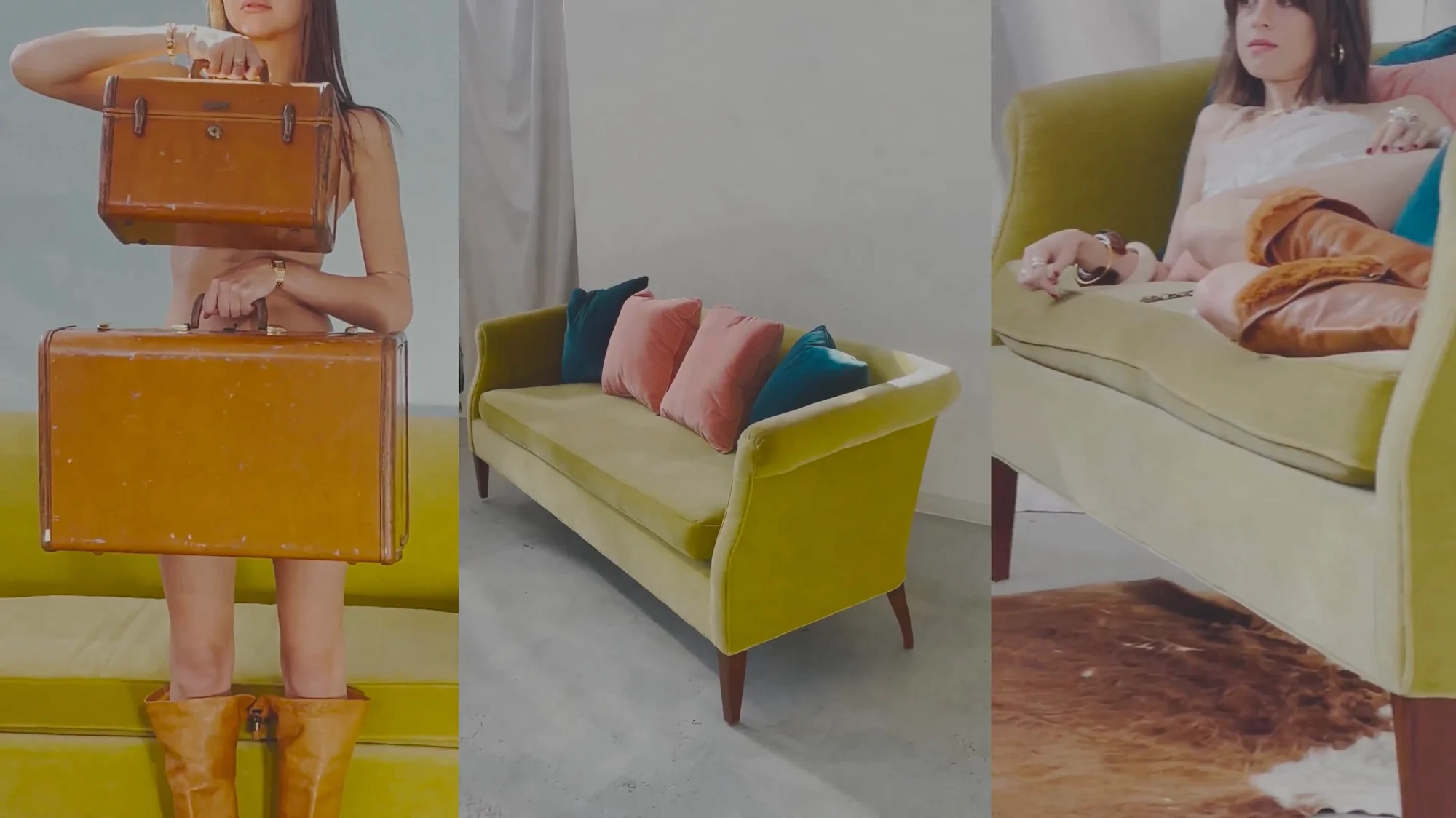
Furniture has traditionally been viewed as a functional purchase — something to use, wear down, and eventually replace. But in recent years, that mindset has shifted. Design-conscious buyers are increasingly seeing high-quality modern furniture not as an expense, but as an asset. This shift has given rise to a new category: modern furniture investment.
When chosen thoughtfully, modern furniture can retain value, appreciate over time, and deliver both aesthetic and financial returns. This article explores why modern furniture has entered the investment conversation, what separates investment-worthy pieces from ordinary ones, and how to approach buying with long-term value in mind.
The Changing Perception of Furniture
For decades, furniture was treated as disposable. Fast production cycles and trend-driven styles encouraged frequent replacement. Today, buyers are more informed, more selective, and more design-literate.
As people invest more intentionally in their homes, they seek pieces that last — not just physically, but stylistically. This evolution has placed modern furniture investment firmly on the radar of collectors, designers, and homeowners alike.
Furniture is no longer just something you sit on. It’s something you live with, display, and pass on.
What Makes Modern Furniture Investment-Worthy
Not every modern piece qualifies as an investment. Value is driven by a combination of design integrity, craftsmanship, and cultural relevance.
Investment-worthy modern furniture typically features original design language rather than imitation. It avoids excessive ornamentation in favor of clarity and balance. Materials are chosen for longevity, not cost-cutting.
When a piece feels intentional rather than trend-based, it has a much stronger chance of holding value over time.
Design Longevity vs Design Trends
Trends come and go, but investment-grade modern furniture resists trend dependency. These pieces are not designed to impress for one season — they’re built to remain relevant for decades.
Design longevity comes from proportion, restraint, and thoughtful detailing. Neutral palettes, sculptural forms, and honest materials age better than novelty finishes or overly specific aesthetics.
This is why many collectors focus on pieces that feel quietly confident rather than loudly fashionable.
Craftsmanship as a Value Multiplier
Quality construction is non-negotiable when it comes to furniture investment. Joinery, finishes, and material integrity all affect how a piece performs over time.
Poorly made furniture degrades quickly, both structurally and visually. Well-crafted furniture, on the other hand, develops character. Wood gains patina, metals soften, and surfaces tell a story.
Craftsmanship ensures that modern furniture remains desirable long after purchase.
Scarcity and Controlled Production
Limited availability plays a significant role in long-term value. Furniture produced in controlled quantities maintains exclusivity and avoids market saturation.
Scarcity doesn’t always mean “limited edition,” but it does mean intentional production. Pieces made by design-focused brands that prioritize quality over volume tend to age better in the market.
Curated collections of modern furniture investment pieces often emphasize this balance between accessibility and rarity.
Modern Furniture as a Design Asset
Unlike traditional investments, furniture delivers daily utility while holding value. It enhances living spaces, shapes how rooms function, and contributes to overall lifestyle quality.
This dual-purpose nature makes modern furniture unique. You don’t store it away — you live with it. Its return isn’t only financial; it’s experiential.
Design assets enrich life while quietly appreciating in the background.
Why Collectors Are Looking Forward, Not Backward
Historically, furniture investment focused on vintage and mid-century icons. While those markets remain strong, attention is shifting toward contemporary design.
Collectors recognize that tomorrow’s icons are being produced today. Investing early in well-designed modern pieces allows buyers to participate in design history as it’s created.
This forward-looking approach offers both emotional satisfaction and strategic advantage.
The Role of Cultural Relevance
Furniture doesn’t exist in isolation. It reflects cultural values, technological advancements, and lifestyle changes.
Modern furniture that responds to contemporary living — smaller spaces, flexible use, sustainable materials — carries cultural relevance that supports long-term value.
When a piece captures the spirit of its time without being locked into a trend, it gains historical significance.
Sustainability and Investment Thinking
Sustainability is deeply connected to furniture investment. Buying fewer, better-made pieces reduces waste and supports responsible production.
Furniture designed to last decades aligns with both environmental values and financial logic. Durability minimizes replacement costs and preserves resale potential.
Sustainable design is no longer a bonus — it’s a value driver.
How to Buy with an Investment Mindset
Buying modern furniture as an investment doesn’t require speculation. It requires discernment.
Look for originality over imitation, craftsmanship over convenience, and design clarity over novelty. Ask how a piece will feel in ten or twenty years, not just how it looks today.
Well-curated sources of modern furniture investment options focus on timelessness rather than trends.
Maintenance and Value Preservation
Proper care is essential to preserving furniture value. Regular cleaning, appropriate placement, and protection from environmental damage extend lifespan.
Keeping original documentation and maintaining condition significantly improves resale or long-term collectibility.
Ownership plays a role in value — how you treat a piece matters.
The Emotional Side of Furniture Investment
Beyond market value, furniture investment often carries emotional return. Pieces become part of daily routines, family moments, and personal milestones.
This emotional attachment adds a layer of value that traditional investments can’t provide. Furniture becomes part of your story.
That connection is often what makes a piece truly irreplaceable.
Market Outlook for Modern Furniture Investment
The market continues to mature as buyers grow more design-savvy. Galleries, collectors, and high-end retailers increasingly treat modern furniture as cultural artifacts rather than consumables.
As design literacy increases, demand for meaningful, well-crafted pieces follows.
Modern furniture investment is no longer niche — it’s a growing movement.
Final Thoughts
Modern furniture investment is about more than resale value. It’s about choosing pieces that enrich spaces, endure change, and reflect thoughtful design.
When sourced carefully, modern furniture offers a rare combination of beauty, utility, and long-term worth. Curated selections from modern furniture investment collections allow buyers to invest with confidence and intention.
Great design doesn’t just fill a room — it builds lasting value.
 Russian
 English
 Arabic
 French
 Spanish
 Portuguese
 Deutsch
 Turkish
 Dutch
Dutch
 Italiano
 Romaian
 Portuguese (Brazil)
 Greek
Greek