


Overcoming Challenges in Primate and Rodent Handling
Research involving primates and various rodent species requires specialized knowledge and specialized equipment. The risks range from simple scratches to dangerous needlestick injuries. By focusing on the right protective gear, facilities can mitigate these risks while maintaining a high standard of research quality and animal care.
The Importance of Precision Finger Gloves in Research
In many research scenarios, the ability to feel subtle changes in an animal's body is critical. Full gloves can sometimes mask these sensations. This is why many experts recommend targeted protection that focuses only on the areas of the hand most likely to make contact.
Why Researchers Prefer Finger Gloves
The 2-Finger Tactile Plus is the preferred choice for those working with mice and infant primates. These finger gloves provide a thin but durable barrier on the thumb and index finger. This setup allows the other fingers to remain free, which is often helpful for manipulating laboratory tools or screens.
Solving the Dexterity Problem
The main complaint among lab technicians is that protective gear makes them clumsy. However, the Tactile Plus material is designed to be extremely flexible. It mimics the movement of the skin, meaning you don't have to fight against the resistance of the glove to perform a simple task.
Best Practices for Mice Handling
Handling mice requires a combination of speed and gentleness. Using the right gear helps the researcher maintain this balance. Because the 2-Finger model is so low-profile, it reduces the visual "threat" to the animal, often leading to a calmer subject during the experimental process.
-
Focus on the thumb and forefinger for gripping.
-
Keep movements slow and predictable.
-
Use tactile-plus materials for better feedback.
-
Clean your gear between different animal groups.
Selecting Durable Hand Gloves for Ferret Care
Ferrets are notoriously wiggly and can be difficult to restrain without the proper equipment. They have sharp teeth and a strong bite reflex when stressed. For these animals, a full-hand solution is the only way to ensure the safety of the laboratory staff.
Full Coverage with Hand Gloves
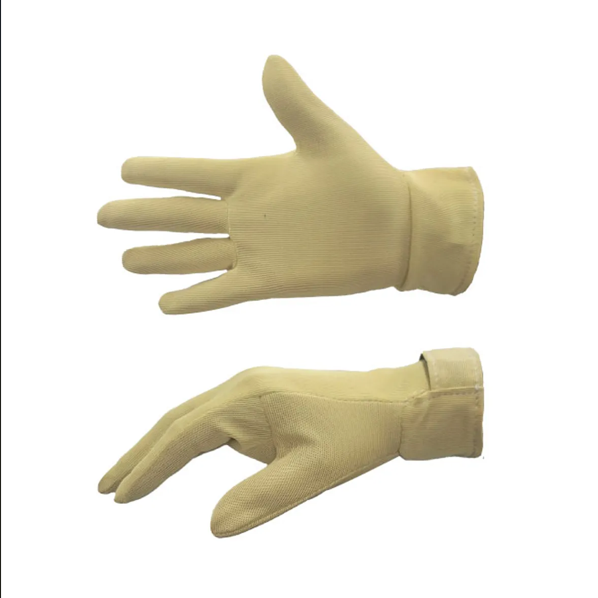
The Tactile Plus Full Hand glove provides the comprehensive protection needed for these active animals. These hand gloves cover the entire hand and extend up the wrist. This ensures that even if a ferret shifts its position quickly, the handler remains protected from any sudden nips or scratches.
Addressing Needlestick Risks with Tri-Point
In addition to animal handling, the Tri-Point line offers specialized protection against needles. In a fast-paced lab environment, accidental pokes are a real danger. Having a glove that is specifically rated for needlestick resistance is a critical component of a modern laboratory safety program.
Protecting Against Infant Primate Bites
Even infant primates can deliver a surprising bite or scratch. The Tactile Plus material is specifically chosen for its ability to resist these punctures. This makes it an ideal choice for nurseries and research centers where infant primates are cared for and studied daily.
-
Choose a full-hand glove for aggressive species.
-
Verify the needlestick resistance rating.
-
Train staff on proper donning and doffing.
-
Conduct regular safety audits of all gear.
Conclusion
Safety in the lab is a multifaceted issue that requires the right equipment for every task. By utilizing specialized finger-tip protection and full-hand needlestick-resistant gloves, you can protect your staff from a wide range of injuries. Choosing the right gear from the Tactile Plus and Tri-Point lines ensures a safer and more efficient research environment.
 Russian
 English
 Arabic
 French
 Spanish
 Portuguese
 Deutsch
 Turkish
 Dutch
Dutch
 Italiano
 Romaian
 Portuguese (Brazil)
 Greek
Greek