


Eco-Friendly Fishing Practices for Charter Guests
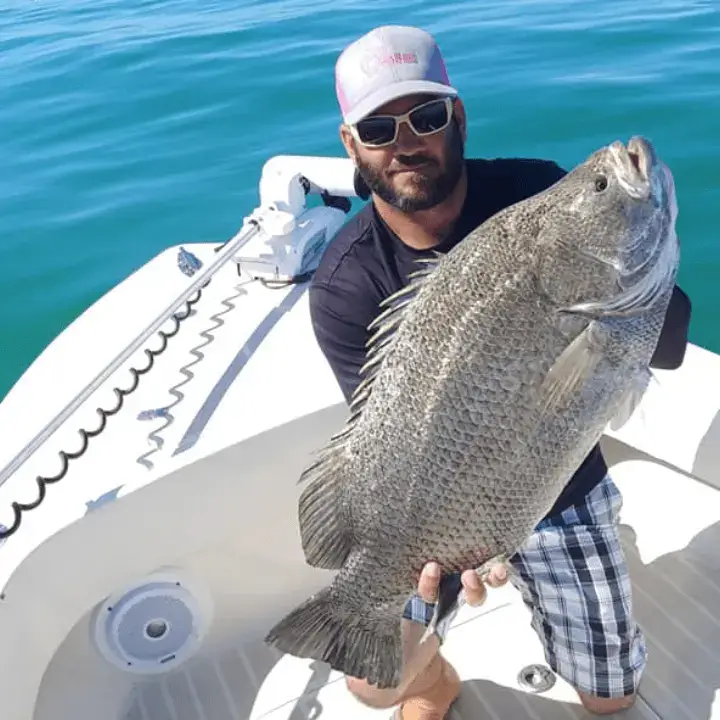
Fishing is one of the best ways to experience Florida’s coastal environment—but with that privilege comes responsibility. As interest in conservation continues to grow, many anglers are asking how they can enjoy their time on the water while minimizing their impact on marine ecosystems. This is especially important in regions like Southwest Florida, where sensitive habitats support a rich diversity of fish and wildlife.
Today, Southwest Florida fishing charters are increasingly focused on sustainability, and charter guests play a key role in protecting these waters. Understanding eco-friendly fishing practices helps ensure that future generations can enjoy the same productive fisheries we have today.
This guide explains what sustainable fishing looks like on charter trips, how guests can participate responsibly, and why choosing sustainable fishing charters makes a meaningful difference.
Why Sustainability Matters in Southwest Florida
Southwest Florida’s coastal ecosystem includes:
-
Mangrove forests
-
Seagrass beds
-
Estuaries and tidal rivers
-
Nearshore Gulf waters
These habitats serve as nurseries for fish, protect shorelines, and support wildlife such as dolphins, manatees, and coastal birds. Even small impacts—like improper fish handling or anchor damage—can affect these environments over time.
That’s why sustainable practices are no longer optional; they are essential for the long-term health of local fisheries.
What Sustainable Fishing Really Means
Sustainable fishing isn’t about avoiding fishing altogether—it’s about fishing responsibly.
Core principles include:
-
Catching fish within legal limits
-
Handling fish carefully
-
Protecting habitats
-
Reducing waste and pollution
-
Respecting wildlife
On Southwest Florida fishing charters, sustainability is a shared effort between captains and guests.
How Charter Guests Contribute to Sustainable Fishing
Many eco-friendly practices are simple actions guests can take during their trip.
Listen to the Captain’s Guidance
Local captains understand regulations, seasons, and best practices. Following their instructions ensures compliance with conservation rules and improves fish survival.
Catch-and-Release Best Practices
Catch-and-release is one of the most effective tools for sustainable fishing—when done correctly.
How Guests Can Help
-
Minimize air exposure
-
Keep fish wet when possible
-
Avoid squeezing fish
-
Support the fish horizontally
Charter crews often handle fish for release, but guests can assist by staying calm and following instructions.
Understanding Size and Bag Limits
Fishing regulations exist to protect fish populations.
Captains on sustainable fishing charters:
-
Target legal species
-
Avoid overharvesting
-
Release undersized or protected fish
Guests should view regulations not as restrictions, but as tools that keep fishing productive year after year.
Respecting Seagrass and Mangrove Habitats
Seagrass beds and mangroves are critical to Southwest Florida’s ecosystem.
Eco-friendly charter practices include:
-
Avoiding prop scarring in shallow water
-
Using designated channels
-
Poling or drifting instead of powering through flats
Guests can support these efforts by being patient when captains navigate carefully through shallow areas.
Why Anchoring Practices Matter
Improper anchoring can damage reefs, grass beds, and bottom structure.
Sustainable charters:
-
Use anchor-free drifting techniques
-
Anchor only in safe areas
-
Reposition rather than dragging anchors
This protects habitats that fish depend on for feeding and shelter.
Reducing Plastic and Waste on the Boat
Plastic pollution is one of the biggest threats to marine life.
Guests can help by:
-
Bringing reusable water bottles
-
Avoiding single-use plastics
-
Securing loose items
-
Disposing of trash properly
Many Southwest Florida fishing charters operate with a strict “leave no trace” mindset.
Wildlife Awareness on Fishing Charters
Fishing trips often include encounters with dolphins, manatees, and birds.
Eco-friendly behavior includes:
-
Keeping a safe distance from wildlife
-
Avoiding feeding animals
-
Reducing speed in wildlife zones
Respectful observation ensures animals aren’t stressed or harmed.
Why Gear Choices Matter
The type of gear used can impact fish survival.
Sustainable practices include:
-
Using circle hooks to reduce gut-hooking
-
Adjusting tackle to land fish quickly
-
Avoiding unnecessary gear loss
Captains often select gear specifically to minimize harm while maximizing success.
Shorter Fight Times Improve Fish Survival
Playing a fish too long can exhaust it.
Eco-conscious charters:
-
Use appropriate tackle strength
-
Coach guests to land fish efficiently
This increases the chances of a healthy release.

Keeping Only What You’ll Use
Harvesting fish responsibly is a key sustainability principle.
Ethical charters encourage:
-
Keeping fish within limits
-
Avoiding waste
-
Releasing excess catch
This ensures fish populations remain balanced and healthy.
The Role of Local Knowledge in Sustainability
Local captains understand how fish populations change over time.
Their decisions reflect:
-
Seasonal movement patterns
-
Spawning periods
-
Environmental conditions
This local expertise is a cornerstone of sustainable fishing charters.
Why Sustainable Charters Benefit Guests
Eco-friendly fishing isn’t just good for the environment—it enhances the guest experience.
Benefits include:
-
Healthier fish populations
-
More consistent fishing
-
Better learning opportunities
-
A sense of responsibility and pride
Many guests find that sustainable trips feel more meaningful and rewarding.
Teaching the Next Generation Responsible Fishing
Family charter guests play an important role in education.
Kids learn:
-
Respect for wildlife
-
Patience and responsibility
-
Conservation values
These lessons often last far beyond the fishing trip itself.
How Guests Can Prepare Before the Trip
Before boarding a charter, guests can:
-
Learn basic regulations
-
Pack eco-friendly supplies
-
Ask questions about sustainability
Showing interest encourages captains to share knowledge and best practices.
Why Southwest Florida Is Ideal for Sustainable Fishing
Southwest Florida’s diverse habitats allow for:
-
Seasonal rotation of species
-
Reduced pressure on single fisheries
-
Flexible fishing approaches
This natural balance supports long-term sustainability when managed responsibly.
Choosing Charters That Value Sustainability
When selecting a charter, look for signs of eco-conscious operation:
-
Clear conservation messaging
-
Respect for regulations
-
Educational approach
-
Local stewardship focus
Charters that prioritize sustainability tend to deliver higher-quality experiences overall.
Common Misconceptions About Sustainable Fishing
Some anglers worry sustainability limits fun—but the opposite is true.
Sustainable fishing:
-
Doesn’t reduce excitement
-
Encourages skill-based angling
-
Protects future opportunities
Many experienced anglers prefer sustainable practices because they value long-term fishing success.
How Guests Can Be Advocates After the Trip
The impact of eco-friendly fishing doesn’t end at the dock.
Guests can:
-
Share responsible practices with others
-
Support conservation efforts
-
Choose sustainable charters again
Every informed angler helps protect Florida’s fisheries.
Why Sustainable Fishing Is a Shared Responsibility
Sustainability works best when everyone participates.
-
Captains provide guidance
-
Guests follow best practices
-
Regulations protect resources
Together, these efforts keep fishing productive and enjoyable.
Final Thoughts: Fishing With the Future in Mind
Fishing is about connection—to nature, to tradition, and to each other. By embracing eco-friendly practices, charter guests help preserve the waters that make Southwest Florida such a special fishing destination.
Choosing Southwest Florida fishing charters that value sustainable fishing ensures healthier ecosystems, better fishing experiences, and lasting memories. When guests support sustainable fishing charters, they become part of the solution—protecting these waters so they remain vibrant for generations to come.
 Deutsch
 English
 Arabic
 French
 Spanish
 Portuguese
 Turkish
 Dutch
Dutch
 Italiano
 Russian
 Romaian
 Portuguese (Brazil)
 Greek
Greek