


Can Compound Gauges Measure Pressure in Both Positive and Negative Ranges?
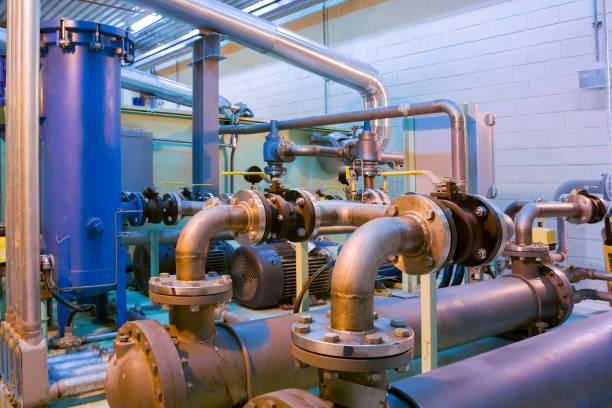
Pressure measurement is a critical function in many industrial, commercial, and laboratory systems. Processes involving fluids and gases often operate under varying conditions, including vacuum, atmospheric pressure, and positive pressure. In such environments, the ability to monitor pressure across both negative and positive ranges becomes essential. Compound gauges are specifically designed to meet this requirement, offering a versatile solution for systems where pressure fluctuates around atmospheric levels. Understanding how Compound Gauges function and where they are applied clarifies their value in modern pressure measurement.
Understanding Pressure Measurement Fundamentals
Pressure is defined as the force exerted by a fluid per unit area. In practical applications, pressure is often measured relative to atmospheric pressure, known as gauge pressure. When pressure is above atmospheric, it is considered positive gauge pressure. When pressure falls below atmospheric, it is referred to as negative pressure or vacuum.
Traditional pressure gauges are typically designed to measure either positive pressure or vacuum, but not both within a single instrument. This limitation can complicate system monitoring when pressure conditions change frequently. Compound gauges address this challenge by integrating both measurement capabilities into one device.
What Are Compound Gauges?
Definition and Basic Design
Compound gauges are pressure measuring instruments capable of displaying both vacuum and positive pressure on a single scale. The dial typically includes a negative range, often expressed in inches of mercury or millibars for vacuum, and a positive range expressed in pounds per square inch, bar, or kilopascals.
The zero point of a compound gauge corresponds to atmospheric pressure. Readings to one side of zero indicate vacuum, while readings to the other side indicate positive pressure. This dual-scale design allows operators to observe pressure transitions seamlessly without switching instruments.
Operating Principle of Compound Gauges
Mechanical Response to Pressure Changes
Most compound gauges operate using mechanical sensing elements, such as Bourdon tubes, diaphragms, or capsules. The Bourdon tube is the most common mechanism used in compound gauges. It is a curved, hollow tube that straightens or flexes in response to pressure changes.
When the internal pressure drops below atmospheric pressure, the tube flexes in one direction, indicating vacuum. When pressure rises above atmospheric pressure, the tube flexes in the opposite direction, indicating positive pressure. This bidirectional movement is transmitted through a mechanical linkage to the pointer on the gauge dial.
Accuracy Across Positive and Negative Ranges
Measurement Performance Considerations
Compound gauges are designed to provide reliable readings across both pressure ranges, but accuracy can vary depending on the specific design and quality of the instrument. Because the sensing element must respond accurately in both directions, the gauge must be carefully calibrated and manufactured to tight tolerances.
Accuracy is typically highest in the mid-range of the scale. Near the extremes of vacuum or positive pressure, mechanical limitations may slightly reduce precision. For this reason, selecting a compound gauge with an appropriate pressure range is critical to ensuring accurate measurement in the intended application.
Advantages of Using Compound Gauges
Versatility in Dynamic Systems
One of the primary advantages of compound gauges is their versatility. In systems where pressure can move from vacuum to positive pressure, a single compound gauge eliminates the need for multiple instruments. This simplifies installation, reduces equipment costs, and minimizes the risk of operator error.
Compound gauges are especially useful during system startup, shutdown, or troubleshooting. During these phases, pressure conditions often fluctuate rapidly, and continuous monitoring across both ranges is essential for safe operation.
Applications in Industrial and Commercial Systems
Use in HVAC and Refrigeration
Compound gauges are widely used in heating, ventilation, air conditioning, and refrigeration systems. These systems frequently experience both vacuum and positive pressure during operation, maintenance, and charging processes.
In refrigeration, compound gauges allow technicians to monitor suction pressure, which can move below atmospheric pressure under certain conditions. The ability to observe both vacuum and positive pressure on a single gauge enhances diagnostic efficiency and system reliability.
Role in Pump and Vacuum Systems
Pumps often operate under varying pressure conditions, particularly during priming or when handling different fluids. Compound gauges are well suited for monitoring pump suction and discharge pressures, especially when vacuum conditions may occur intermittently.
In vacuum systems, compound gauges provide a convenient way to monitor the transition from atmospheric pressure to vacuum. While high-vacuum applications may require specialized instruments, compound gauges are effective for low to moderate vacuum ranges commonly encountered in industrial processes.
Limitations of Compound Gauges
Range and Resolution Constraints
Although compound gauges are versatile, they are not suitable for all pressure measurement needs. Their dual-range design can limit resolution compared to single-purpose gauges. For applications requiring extremely high accuracy in a narrow pressure range, a dedicated vacuum gauge or positive pressure gauge may be more appropriate.
Additionally, compound gauges typically cover moderate vacuum and pressure ranges. They are not designed for deep vacuum measurements or very high-pressure systems. Understanding these limitations is essential when selecting the appropriate gauge for a specific application.
Installation and Environmental Considerations
Proper Mounting and Protection
Correct installation is crucial for accurate and reliable performance of compound gauges. The gauge should be mounted in a location where it is protected from excessive vibration, temperature extremes, and mechanical shock. These factors can affect the sensing element and compromise accuracy.
In corrosive or harsh environments, compound gauges should be constructed from compatible materials or equipped with protective features such as diaphragm seals. Proper selection ensures longevity and consistent performance across both pressure ranges.
Calibration and Maintenance
Ensuring Long-Term Accuracy
Like all mechanical pressure instruments, compound gauges require periodic calibration to maintain accuracy. Calibration verifies that the gauge responds correctly to both vacuum and positive pressure inputs. Regular inspection can also identify wear or damage to the sensing element.
Maintenance requirements for compound gauges are generally minimal, especially when compared to more complex electronic instruments. Their mechanical simplicity contributes to reliability, making them suitable for long-term use in demanding industrial settings.
Compound Gauges Compared to Digital Alternatives
Mechanical Versus Electronic Measurement
Digital pressure sensors can also measure both positive and negative pressure, often with higher accuracy and resolution. However, compound gauges remain popular due to their robustness, simplicity, and independence from power sources.
In environments where electronic sensors may be vulnerable to interference or failure, mechanical compound gauges provide a dependable alternative. Their clear visual indication allows for immediate assessment without the need for signal processing or displays.
Selection Criteria for Compound Gauges
Matching the Gauge to the Application
Selecting the right compound gauge involves evaluating pressure range, accuracy class, connection type, and environmental conditions. The gauge should be sized so that normal operating pressure falls within the central portion of the scale, ensuring optimal accuracy in both vacuum and positive ranges.
Material compatibility is also important, particularly when measuring aggressive gases or liquids. Stainless steel components are commonly used for enhanced corrosion resistance.
Safety and Compliance Considerations
Accurate pressure measurement is essential for maintaining safe operating conditions. Compound gauges contribute to safety by providing clear, continuous feedback on system pressure, helping operators detect abnormal conditions early.
In regulated industries, pressure gauges must meet specific standards and certifications. Selecting compound gauges that comply with relevant codes ensures both safety and regulatory adherence.
Conclusion
Compound Gauges are specifically designed to measure pressure in both positive and negative ranges, making them a practical and reliable solution for systems that operate around atmospheric pressure. Their mechanical design allows for bidirectional pressure sensing, enabling seamless monitoring of vacuum and positive pressure conditions within a single instrument.
While they have limitations in extreme pressure or high-precision applications, compound gauges excel in versatility, durability, and ease of use. Their widespread adoption in HVAC, refrigeration, pump systems, and industrial processes reflects their value in dynamic environments. By understanding how compound gauges function and where they perform best, users can confidently rely on them for accurate and efficient pressure measurement across a wide range of operating conditions.

 English
 French
 Spanish
 Portuguese
 Deutsch
 Turkish
 Dutch
Dutch
 Italiano
 Russian
 Romaian
 Portuguese (Brazil)
 Greek
Greek