


Understanding the Best SDA Demand Data for Effective Planning
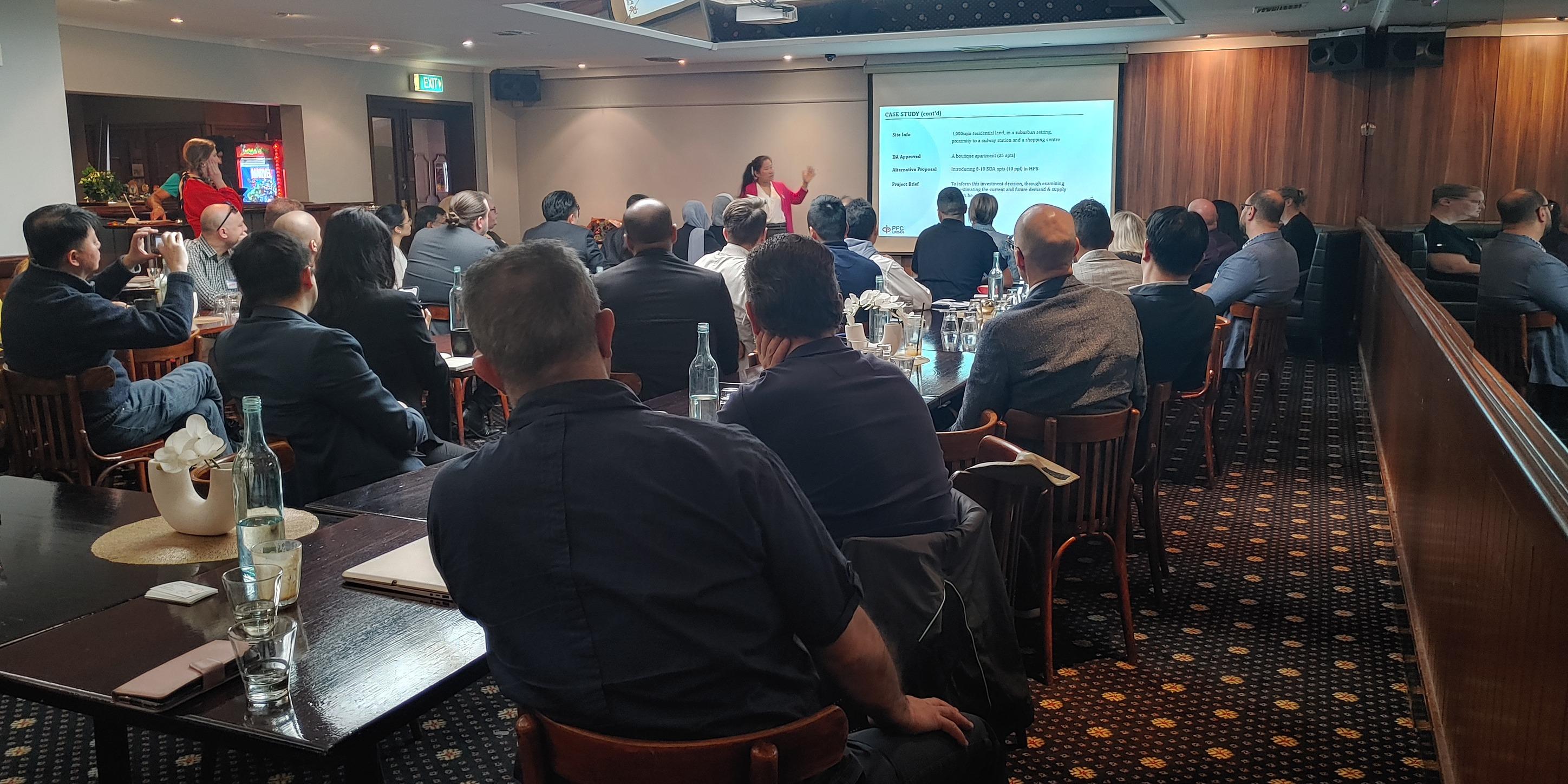
In the dynamic landscape of disability housing in Australia, accurate and reliable data is essential for effective planning and investment. Specialist Disability Accommodation (SDA) has become a key area within the National Disability Insurance Scheme (NDIS), but understanding where the demand lies can be challenging without the right information. This is where high-quality SDA demand data comes into play, helping providers, investors, and urban planners make informed decisions.
What is SDA Demand Data?
SDA demand data refers to information that outlines the current and projected need for specialist disability housing across different regions. This data takes into account several factors, including population demographics, NDIS participant needs, and local housing availability. By analysing this data, developers and providers can identify areas with high demand, ensuring resources are allocated efficiently and housing projects are appropriately scaled.
Why Accurate SDA Demand Data Matters
Accurate SDA demand data is crucial for multiple stakeholders:
-
For Providers: Understanding demand ensures providers can design housing that meets specific participant needs, whether it’s single-room units or accessible apartments.
-
For Investors: Reliable data reduces financial risk by highlighting areas with higher occupancy rates and potential growth.
-
For Planners: Urban planners can align SDA projects with community infrastructure, transport access, and support services, fostering integrated communities.
Without precise demand data, there is a risk of overbuilding in low-demand areas or under-serving regions where SDA housing is critically needed.
Key Components of the Best SDA Demand Data
To make informed decisions, it’s essential to access comprehensive and high-quality SDA demand data. The best datasets typically include:
-
Demographic Information: Age, disability type, and NDIS participation rates help predict housing requirements.
-
Regional Insights: Understanding urban versus regional needs is critical, as demand can vary significantly between metropolitan and rural areas.
-
Occupancy Trends: Historical occupancy rates indicate where new developments may be successful.
-
Support Requirements: Some participants require higher support levels, influencing the type of SDA dwelling needed.
Integrating these components allows for a more nuanced understanding of SDA demand, guiding developers and planners to make evidence-based decisions.
How to Access Reliable SDA Demand Data
Accessing high-quality SDA demand data involves consulting trusted sources and leveraging professional expertise. Government reports, NDIS data sets, and industry publications provide foundational insights, while specialised firms can offer tailored, region-specific analysis. For instance, organisations like PPC Urban offer comprehensive urban planning services, incorporating SDA demand data to help clients identify optimal development locations and design strategies that meet community needs.
Benefits of Using SDA Demand Data in Planning
Utilising the best SDA demand data in project planning and investment strategy brings several advantages:
-
Optimised Resource Allocation: Developers can focus on areas with higher unmet demand, avoiding underutilised properties.
-
Informed Decision-Making: Investors gain confidence with data-backed insights into occupancy potential and participant requirements.
-
Community Integration: Planners can create developments that complement existing services, transport, and amenities, fostering inclusive communities.
-
Future-Proofing Projects: By analysing trends and projected demand, developers can anticipate changes in SDA needs, ensuring projects remain relevant.
Ultimately, the use of reliable demand data leads to better outcomes for both participants and investors, while supporting sustainable growth within the SDA sector.
Challenges in SDA Demand Analysis
While SDA demand data is invaluable, there are challenges to consider:
-
Data Gaps: Not all regions may have up-to-date or detailed data, particularly in remote areas.
-
Dynamic Market Conditions: Participant needs and NDIS policies can evolve, requiring continuous data monitoring.
-
Integration Complexity: Combining demographic, geographic, and support requirement data can be complex and requires expert interpretation.
Addressing these challenges often requires collaboration with planning professionals and access to specialised analytical tools.
Tips for Leveraging SDA Demand Data Effectively
To make the most of SDA demand insights, stakeholders should:
-
Work with experienced urban planning and SDA consultants.
-
Regularly update datasets to reflect changing participant needs.
-
Consider both current demand and projected growth when planning new developments.
-
Align housing projects with community support services and accessibility requirements.
By following these practices, SDA providers and investors can create housing solutions that are both profitable and impactful.
Conclusion
The growth of SDA housing within the NDIS framework highlights the importance of using accurate and actionable data. The best SDA demand data not only guides investment and development decisions but also ensures that housing solutions genuinely meet the needs of participants. Consulting experts like PPC Urban can enhance the use of this data, helping to identify opportunities and mitigate risks. In a sector where demand is continuously evolving, access to precise, comprehensive data is indispensable for creating sustainable, participant-focused housing.
 Italiano
 English
 Arabic
 French
 Spanish
 Portuguese
 Deutsch
 Turkish
 Dutch
Dutch
 Russian
 Romaian
 Portuguese (Brazil)
 Greek
Greek