


How Do India Comedy Movies Shape Popular Culture?
India Comedy Movies have played a vital role in shaping popular culture across decades, languages, and regions. From slapstick entertainers and satirical social dramas to character-driven comedies that blend humor with emotion, Indian comedy films do far more than make audiences laugh. They influence everyday language, social attitudes, fashion trends, political awareness, and even how society negotiates sensitive topics. Comedy in Indian cinema functions as both entertainment and commentary, reflecting collective aspirations while subtly shaping cultural norms.
The impact of India Comedy Movies can be understood by examining their historical evolution, narrative styles, iconic characters, and their interaction with society at large. Through humor, these films reach diverse audiences and create shared cultural experiences that endure long after their release.
Historical Roots of Comedy in Indian Cinema
Comedy as a Bridge Between Tradition and Modernity
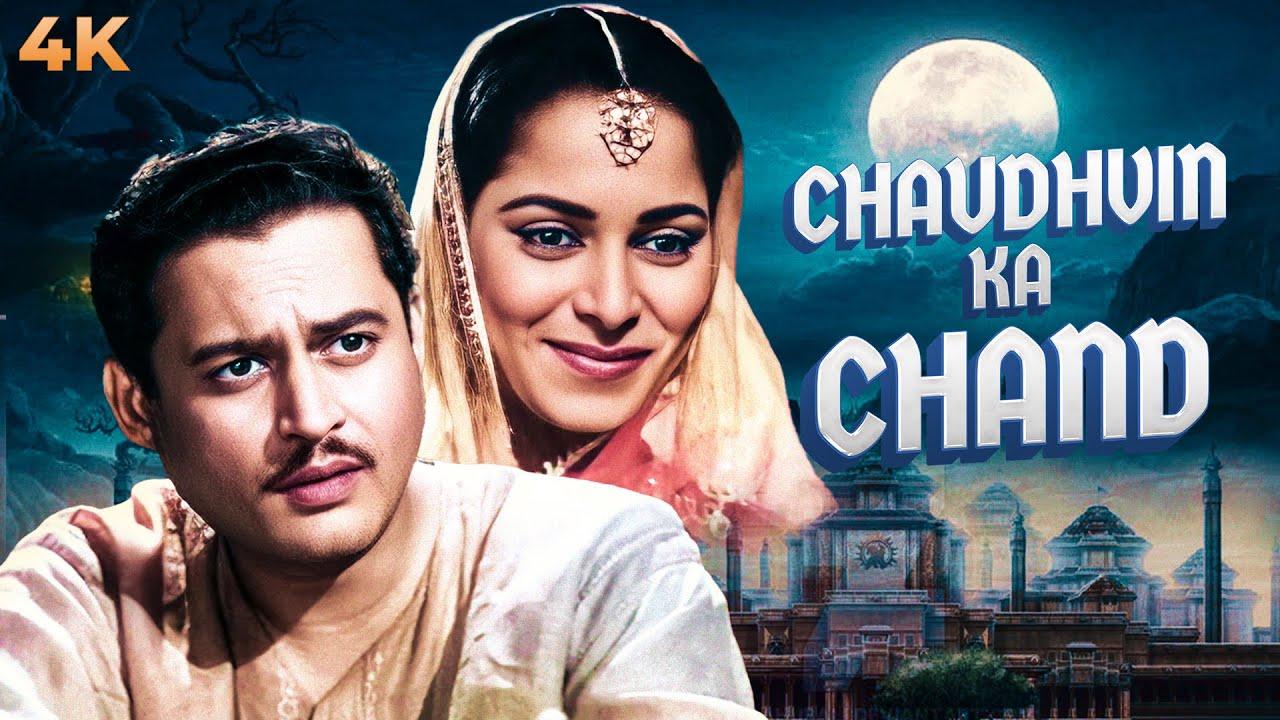
Comedy has been an integral part of Indian cinema since its early days. In classic Hindi cinema of the 1950s and 1960s, comedians such as Johnny Walker and Mehmood brought humor rooted in everyday struggles, class differences, and urban life. Films like Pyaasa and Chaudhvin Ka Chand used comic characters to balance serious themes, making complex stories more accessible to mass audiences.
These early India Comedy Movies helped audiences navigate the transition from traditional social structures to a rapidly modernizing nation. Humor softened cultural anxieties around urbanization, unemployment, and changing family dynamics. By laughing at shared problems, audiences found a sense of collective identity.
Comedy and the Language of Popular Culture
One of the most visible ways India Comedy Movies shape popular culture is through dialogue and catchphrases. Comic lines often transcend the screen and enter everyday conversation. Phrases from films such as Hera Pheri, including humorous exchanges between Raju, Shyam, and Baburao, are still quoted years after the film’s release.
This linguistic influence reflects how comedy films capture the rhythm of daily speech. Slang, regional accents, and exaggerated expressions popularized by these movies shape how people communicate informally. Comedy becomes a cultural shorthand, allowing audiences to reference shared experiences through humor.
Social Commentary Through Humor
Laughing at Serious Issues
India Comedy Movies frequently address serious social issues under the guise of humor. Films such as Jaane Bhi Do Yaaro use satire to critique corruption, bureaucracy, and political hypocrisy. By presenting these issues comedically, the film engages audiences who might otherwise avoid overtly political narratives.
Comedy allows filmmakers to challenge authority without alienating viewers. Humor disarms resistance, enabling social critique to reach a wider audience. This approach has shaped popular culture by normalizing discussion of sensitive topics such as governance, inequality, and moral compromise.
Family, Relationships, and Changing Norms
Indian comedy films often center on family dynamics, marriage, and generational conflict. Movies like Chupke Chupke and Golmaal explore misunderstandings within relationships, using humor to highlight communication gaps and social expectations.
In more recent India Comedy Movies such as Badhaai Ho, humor is used to address taboo subjects like late parenthood. The film’s success demonstrates how comedy can reshape cultural attitudes by presenting unconventional situations with warmth and relatability. Audiences laugh, but they also reconsider rigid norms surrounding family and respectability.
Regional Comedy and Cultural Identity
Reflecting Linguistic and Cultural Diversity
India’s regional film industries have produced distinct comedic traditions that contribute to national popular culture. Tamil, Telugu, Malayalam, Bengali, and Marathi comedy films draw heavily from local customs, dialects, and social structures. Films such as Panchatanthiram in Tamil cinema or Vasool Raja MBBS adapt humor to regional sensibilities while achieving widespread appeal.
These regional India Comedy Movies reinforce cultural pride and preserve linguistic identity. At the same time, their crossover success helps audiences from different regions appreciate diverse cultural expressions, fostering a shared yet pluralistic popular culture.
Iconic Comic Characters and Archetypes
Certain comic characters have become cultural symbols in their own right. Characters like Baburao from Hera Pheri, Circuit from Munna Bhai M.B.B.S., and the bumbling protagonists of the Golmaal franchise represent recognizable social types. Their mannerisms, clothing, and speech patterns influence fashion, memes, and popular imagination.
The character of Munna Bhai, for instance, reshaped perceptions of masculinity and kindness. While the films are comedic, their emphasis on empathy and emotional intelligence resonated deeply with audiences. This demonstrates how India Comedy Movies can redefine cultural ideals through humor-driven storytelling.
Comedy and Political Awareness
Satire as a Tool for Civic Engagement
Political satire in Indian cinema has historically faced challenges, yet comedy has found ways to engage with politics subtly. Films like Peepli Live use dark humor to comment on media sensationalism and rural distress. By framing serious issues comedically, such films encourage public discourse without appearing didactic.
These narratives shape popular culture by influencing how audiences perceive political systems and media narratives. Comedy becomes a means of civic engagement, allowing viewers to question authority while remaining entertained.
The Influence of Comedy on Fashion and Lifestyle
India Comedy Movies also shape popular culture through visual and lifestyle trends. Costume choices, exaggerated styles, and distinctive looks worn by comic characters often gain popularity. The casual attire of comedic protagonists or the flamboyant outfits of eccentric characters can influence fashion trends, particularly among younger audiences.
Beyond fashion, lifestyle attitudes portrayed in comedy films, such as carefree optimism or resilience in the face of failure, resonate culturally. Films like 3 Idiots, while not purely comedic, use humor to challenge societal pressures around education and success. The film’s comedic tone helped popularize alternative definitions of achievement.
Digital Age and the Evolution of Comedy
Comedy in the Era of Streaming and Social Media
The rise of streaming platforms has expanded the reach of India Comedy Movies. Films and web-based comedies now circulate widely through digital clips, memes, and social media references. Scenes from classic comedies are repurposed online, introducing them to new generations.
This digital circulation reinforces the cultural impact of comedy films. Humor becomes a shared online language, shaping how people respond to social events, political news, and everyday frustrations. India Comedy Movies thus remain relevant by adapting to new modes of consumption.
Gender and Representation in Comedy
Comedy films have also played a role in evolving gender representation. While older films often relied on stereotypes, contemporary India Comedy Movies increasingly present women as active agents of humor rather than passive subjects. Films like Queen and Tumhari Sulu incorporate comedic elements to explore female independence and self-discovery.
This shift influences popular culture by expanding expectations of gender roles. Humor becomes a means of empowerment, challenging outdated norms while remaining accessible to mass audiences.
Enduring Cultural Impact
Why Comedy Leaves a Lasting Impression
Comedy’s ability to endure lies in its emotional accessibility. India Comedy Movies often blend laughter with empathy, ensuring that audiences form emotional connections with characters and stories. This emotional resonance allows comedic narratives to influence attitudes long after the final scene.
Repeated television broadcasts, digital sharing, and cultural references keep these films alive in public memory. Over time, they shape collective humor, values, and shared experiences.
Conclusion
India Comedy Movies shape popular culture by blending entertainment with reflection, laughter with insight. Through iconic characters, memorable dialogue, and socially relevant storytelling, these films influence language, attitudes, and cultural norms. They address serious issues with humor, making complex ideas accessible and engaging.
By reflecting societal changes and, at times, guiding them, comedy films occupy a powerful position in Indian cultural life. Their ability to unite diverse audiences through shared laughter ensures their continued impact on popular culture. As Indian society evolves, India Comedy Movies will remain a vital mirror and molder of collective experience, proving that humor is not just a source of amusement but a force of cultural transformation.
 French
 English
 Arabic
 Spanish
 Portuguese
 Deutsch
 Turkish
 Dutch
Dutch
 Italiano
 Russian
 Romaian
 Portuguese (Brazil)
 Greek
Greek