


Why Do French Romance Movies Avoid Conventional Happy Endings?
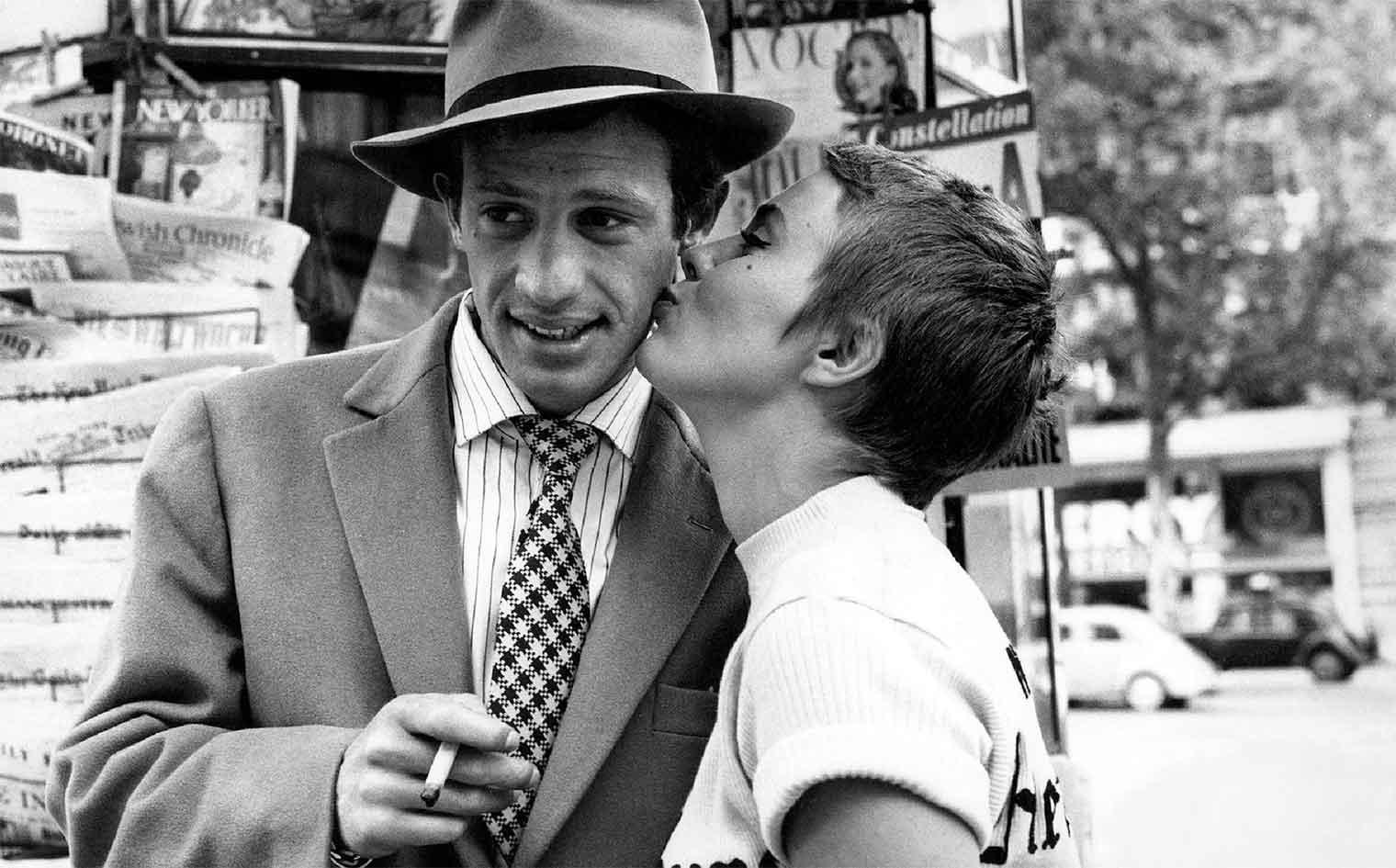
French Romance Movies have long fascinated international audiences for their emotional depth, philosophical nuance, and resistance to formulaic storytelling. One of the most striking features of these films is their frequent avoidance of conventional happy endings. Unlike many Hollywood romances that culminate in reunions, weddings, or clear emotional resolution, French romantic cinema often concludes with ambiguity, separation, or quiet acceptance rather than triumph. This narrative choice is not accidental but deeply rooted in France’s cultural, literary, and cinematic traditions.
Understanding why French Romance Movies resist tidy conclusions requires examining artistic philosophy, national attitudes toward love, and the historical evolution of French cinema. These films do not reject happiness outright; instead, they question simplistic notions of fulfillment and explore love as a complex, sometimes fleeting human experience.
Cultural Views on Love and Realism
Love as Experience Rather Than Destination
A central reason French Romance Movies avoid conventional happy endings lies in how love is culturally perceived. In French storytelling, love is often treated as an experience rather than a destination. The emphasis is placed on emotional truth, personal growth, and psychological realism instead of permanent union.
Films such as Blue Is the Warmest Color illustrate this approach. The relationship between Adèle and Emma is intense, transformative, and deeply meaningful, yet it does not culminate in lasting togetherness. The ending reflects the reality that some loves, while profound, are not meant to endure. Rather than presenting this outcome as a failure, the film frames it as an authentic reflection of emotional life.
This realism contrasts with narratives that equate love with permanence. French cinema frequently suggests that love’s value lies in how it changes individuals, not in whether it survives unchanged over time.
Literary and Philosophical Influences
French Romance Movies are heavily influenced by French literature and philosophy, both of which tend to favor introspection and ambiguity. Writers such as Marcel Proust and philosophers like Jean-Paul Sartre explored love as intertwined with identity, freedom, and impermanence. These ideas have profoundly shaped cinematic storytelling.
In Jules et Jim, directed by François Truffaut, the love triangle at the center of the film defies moral clarity or romantic closure. Catherine’s emotional unpredictability and the eventual tragic ending reflect existential themes of freedom and desire. The film does not offer comfort or resolution, instead presenting love as a force that can be exhilarating and destructive at once.
This philosophical heritage encourages filmmakers to resist neat conclusions. A conventional happy ending might feel dishonest within a worldview that sees human relationships as inherently unstable.
The Legacy of French New Wave Cinema
Rejection of Narrative Convention
The French New Wave movement of the late 1950s and 1960s played a crucial role in shaping modern French Romance Movies. Directors such as Jean-Luc Godard, François Truffaut, and Éric Rohmer rejected traditional storytelling structures in favor of open-ended narratives and psychological realism.
In Godard’s Breathless, romantic attachment exists but is undercut by alienation and moral ambiguity. The film’s ending, abrupt and unresolved, mirrors the characters’ inability to reconcile love with personal freedom. Romance is present, but it does not save the characters or offer redemption.
This rejection of closure became a defining feature of French cinema. Romance films inherited this sensibility, prioritizing emotional authenticity over audience reassurance. The avoidance of happy endings became a statement against artificial narrative satisfaction.
Love and Individual Autonomy
Another reason French Romance Movies often avoid happy endings is their emphasis on individual autonomy. Love is frequently portrayed as something that must coexist with personal freedom, ambition, and self-understanding. When love threatens these elements, separation is often depicted as the more honest outcome.
In Portrait of a Lady on Fire, the romance between Marianne and Héloïse is intense yet constrained by social realities. The ending does not reunite the lovers but instead offers a moment of recognition and memory. The film suggests that love can be complete even if it is temporary. Happiness is found in having loved deeply, not in possessing the beloved indefinitely.
This perspective challenges the idea that romantic fulfillment should override all other aspects of identity. French Romance Movies often argue that selfhood must remain intact, even at the cost of romantic union.
Social Class, Timing, and Circumstance
External Forces That Shape Love
French romance frequently acknowledges the role of social class, timing, and circumstance in shaping relationships. Love is rarely portrayed as existing in a vacuum. Economic pressures, cultural expectations, and life stages often intervene, making lasting union unrealistic.
The Umbrellas of Cherbourg provides a vivid example. Despite its musical format and vibrant colors, the film ends with the lovers leading separate lives. Their separation is not due to a lack of love but to war, time, and social obligation. The final scene is bittersweet rather than tragic, emphasizing acceptance over regret.
This approach reflects a worldview in which happiness is not guaranteed by emotional intensity alone. French Romance Movies recognize that love can be sincere and still be shaped, and sometimes ended, by forces beyond personal control.
Emotional Ambiguity as Artistic Choice
French filmmakers often embrace emotional ambiguity as a mark of artistic integrity. Rather than resolving all narrative tensions, they allow viewers to sit with uncertainty. This mirrors real emotional experiences, where feelings are rarely resolved cleanly.
In Before Sunset, although directed by an American filmmaker, the film’s Franco-European sensibility aligns closely with French romantic traditions. The ending suggests possibility rather than certainty, leaving the audience to imagine what comes next. This open-endedness reflects the influence of French Romance Movies on global cinema.
Ambiguity invites active audience engagement. Viewers are encouraged to reflect on their own experiences of love rather than passively consuming a predetermined outcome.
Resistance to Commercial Formula
Art Cinema Versus Market Expectations
Another factor influencing the avoidance of happy endings is the position of French Romance Movies within art cinema rather than purely commercial cinema. While box office success matters, artistic expression often takes precedence over mass appeal.
Conventional happy endings are frequently associated with commercial storytelling designed to maximize audience comfort. French filmmakers have historically resisted this approach, viewing cinema as a medium for exploration rather than reassurance.
Films such as Amour demonstrate this philosophy. The story centers on love in the context of aging and illness, ending not with hope but with quiet devastation. The film’s honesty about love’s limits earned critical acclaim, reinforcing the idea that emotional truth is more valuable than sentimental closure.
The Role of Melancholy in French Aesthetics
Melancholy is a recurring aesthetic in French art, and romance films are no exception. This melancholy is not purely negative; it is often portrayed as reflective, poetic, and deeply human. Endings that acknowledge loss or impermanence are seen as emotionally mature rather than pessimistic.
In Les Chansons d’Amour, love, grief, and renewal coexist. The ending does not erase pain but suggests that life continues in complex ways. This nuanced emotional palette allows French Romance Movies to explore love beyond idealization.
Conclusion
French Romance Movies avoid conventional happy endings because they are rooted in a cultural and artistic tradition that values realism, ambiguity, and emotional honesty. Influenced by literature, philosophy, and cinematic movements like the French New Wave, these films treat love as a transformative experience rather than a guaranteed destination.
By prioritizing individual autonomy, acknowledging social constraints, and embracing melancholy, French romance resists simplistic resolutions. The absence of a happy ending does not signify cynicism but a deeper respect for the complexity of human relationships. In choosing truth over comfort, French Romance Movies continue to offer some of the most thoughtful and enduring explorations of love in world cinema.
 Italiano
 English
 Arabic
 French
 Spanish
 Portuguese
 Deutsch
 Turkish
 Dutch
Dutch
 Russian
 Romaian
 Portuguese (Brazil)
 Greek
Greek