


The Enduring Importance of the Alice Clamp in Surgery

In the precise world of surgical procedures, the success of an operation often depends on the quality and function of the instruments in a surgeon's hands. Among the vast array of tools available, certain instruments stand out for their specific design and critical function. The Alice Clamp is one such indispensable tool, recognized for its unique ability to grasp and hold tissues securely with minimal trauma. Its design, though seemingly simple, is a testament to the thoughtful engineering required to balance a firm grip with the delicate nature of human tissue. For decades, this clamp has been a staple in operating rooms, playing a vital role in a wide range of surgical disciplines, from general surgery to gynecology and urology. Its continued relevance highlights a core principle in medical technology: effective design endures.
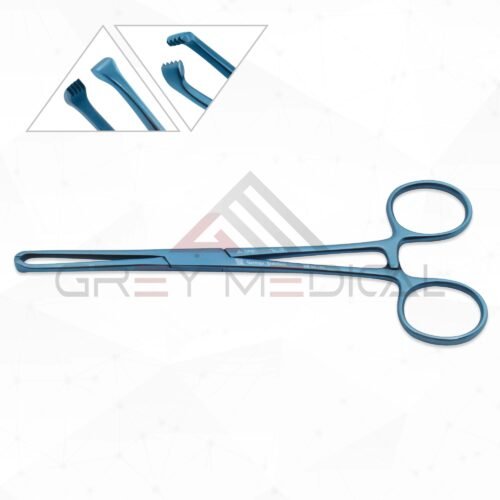
Understanding the Design and Function
The Alice Clamp, also known as the Alice tissue forceps, is characterized by its distinct interlocking teeth at the tip. Unlike other clamps that may crush or damage delicate structures, the teeth on an Alice Clamp are designed to distribute pressure evenly, allowing for a secure grasp on fibrous tissues, fascia, or organs like the bowel and bladder without causing significant harm. The instrument features ratcheted handles that lock in place, freeing the surgeon's hands to perform other tasks while the tissue remains retracted or stabilized. This combination of a secure, atraumatic grip and a locking mechanism makes it an incredibly versatile and reliable tool. The intelligent design ensures that once tissue is held, it remains in position, providing the clear and stable surgical field necessary for a successful outcome.
Key Applications in General Surgery
Within general surgery, the Alice Clamp proves its worth in countless procedures. Surgeons frequently use it to grasp and retract the edges of skin, fascia, or muscle during incisions and closures. In abdominal surgeries, such as laparotomies, it is instrumental in handling sections of the bowel. Its ability to hold the tissue firmly without slippage is crucial when manipulating or resecting parts of the intestine. The clamp's design ensures that the held tissue is not devascularized, which is critical for healing post-operation. Whether retracting the stomach during a gastrectomy or securing a hernia sac for repair, the clamp provides the control and stability surgeons need to navigate complex anatomical landscapes with confidence and precision.
A Vital Instrument in Gynecological Procedures
Gynecological surgery is another field where the Alice Clamp is considered essential. During procedures like hysterectomies, surgeons rely on it to grasp the uterus or other pelvic structures, enabling better visualization and access. In operations such as a D&C (Dilation and Curettage), it may be used to hold the cervix steady. The atraumatic nature of the clamp is particularly important in this context, as preserving the integrity of surrounding tissues is paramount. The reliability of its grip allows for the delicate maneuvers required in pelvic surgery, contributing to safer procedures and better patient outcomes by minimizing tissue injury.
The Role of Innovation and Material Quality
While the fundamental design of the Alice tissue forceps has remained consistent, innovation continues to enhance its performance. Companies dedicated to excellence in surgical instruments, such as GreyMedical®, understand that material quality is non-negotiable. Modern clamps are crafted from high-grade stainless steel, ensuring durability, resistance to corrosion, and the ability to withstand repeated sterilization cycles without degradation. Advances in manufacturing have led to finer, more precise construction of the interlocking teeth and locking mechanisms. This commitment to quality ensures that each Alice Clamp functions flawlessly, providing the reliability that surgeons and patients depend on. The fusion of a time-tested design with superior materials is what keeps this instrument at the forefront of surgical practice.
Proper Care and Sterilization for Longevity
The longevity and safety of any surgical instrument, including the Alice Clamp, depend on rigorous cleaning and sterilization protocols. After each use, the instrument must be thoroughly cleaned to remove all biological debris, paying special attention to the interlocking teeth and hinged areas where contaminants can accumulate. Following cleaning, the clamp undergoes a stringent sterilization process, typically using steam autoclaving, to eliminate all microorganisms. Proper handling and storage are also critical to prevent damage to the instrument's delicate tips and locking mechanism. Adherence to these strict maintenance procedures ensures that every clamp is in optimal condition for the next procedure, upholding the highest standards of patient safety and infection control in the surgical environment.
 English
 Arabic
 French
 Spanish
 Portuguese
 Deutsch
 Turkish
 Dutch
Dutch
 Italiano
 Russian
 Romaian
 Portuguese (Brazil)
 Greek
Greek