


Why Are American War Movies Often Spectacle-Driven?
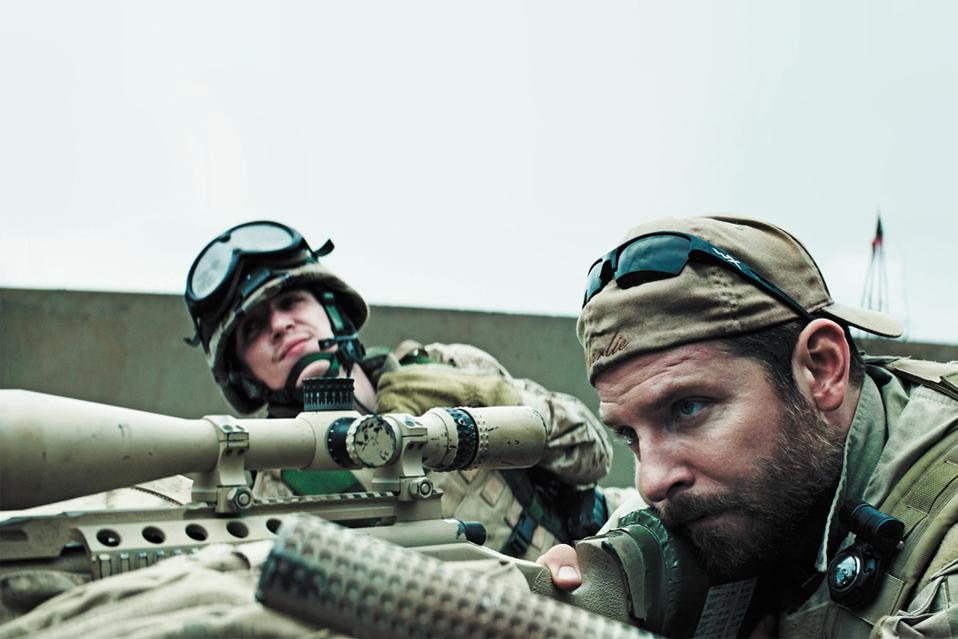
American cinema has long returned to war as one of its most powerful narrative subjects. From early World War II epics to contemporary depictions of modern conflict, American War Movies are frequently defined by their emphasis on spectacle: massive battle sequences, thunderous sound design, sweeping camera movements, and meticulously staged combat. While war films in many national traditions focus on intimacy, restraint, or psychological aftermath, American war cinema often foregrounds scale and visual intensity. This spectacle-driven approach is not accidental; it emerges from historical, industrial, cultural, and ideological forces that shape how war is imagined and represented on screen.
The Hollywood Tradition of Scale and Visual Grandeur
War as a Natural Fit for Epic Storytelling
Hollywood has historically favored stories that lend themselves to grandeur, and war provides an ideal framework for epic cinema. Large armies, global stakes, dramatic landscapes, and life-or-death conflict naturally invite expansive visual treatment. American War Movies inherit this tradition, presenting war not merely as a historical event but as a cinematic experience designed to overwhelm the senses.
Films such as Saving Private Ryan and Pearl Harbor exemplify this tendency. Their opening battle sequences are constructed as immersive spectacles, using wide shots to establish scale and rapid editing to convey chaos. The emphasis on visual impact aligns with Hollywood’s long-standing belief that cinema should astonish as well as narrate.
The Influence of Blockbuster Economics
Spectacle is also closely tied to the economics of American filmmaking. War movies often require large budgets, and studios seek to justify these investments by delivering visual experiences that cannot be replicated elsewhere. Explosions, large-scale battles, and advanced special effects become selling points that attract audiences to theaters.
This commercial logic reinforces spectacle as a defining feature. In a competitive entertainment landscape, American War Movies are positioned as events rather than quiet reflections. The promise of immersive action becomes central to marketing strategies, shaping how stories are conceived and executed.
Spectacle as a Tool for Emotional Immersion
Sensory Overload and Audience Engagement
One of the primary functions of spectacle in American war cinema is to immerse the viewer emotionally and physically. Loud soundscapes, kinetic camerawork, and visceral imagery are designed to simulate the intensity of combat. Films like Black Hawk Down place the audience directly within the battlefield, minimizing narrative distance.
This sensory approach aims to produce empathy through experience rather than contemplation. By overwhelming the senses, spectacle draws viewers into the immediacy of danger and confusion. The audience does not merely observe war; it feels surrounded by it.
Authenticity Through Excess
Paradoxically, spectacle is often justified as a means of achieving realism. Directors argue that the scale and chaos of war cannot be conveyed through understatement. The graphic violence of Saving Private Ryan, for example, was praised for its authenticity, even though it relied heavily on technical craftsmanship and cinematic manipulation.
In American War Movies, realism is frequently equated with intensity. The louder, faster, and more visually dense the battle, the more “real” it is perceived to be. Spectacle thus becomes a proxy for truth, even when it simplifies or dramatizes complex realities.
National Mythmaking and Ideological Narratives
Reinforcing Heroic Identity
American war cinema has long been intertwined with national identity. Spectacle plays a crucial role in reinforcing myths of heroism, sacrifice, and moral clarity. Grand battle scenes elevate individual soldiers into symbols of national virtue, framing their actions within a larger narrative of purpose and destiny.
Films such as We Were Soldiers and American Sniper use spectacle to magnify personal bravery, transforming individual experiences into collective memory. The visual scale suggests that these stories matter not only to the characters but to the nation as a whole.
Simplifying Moral Complexity
Spectacle can also function as a narrative shortcut, overshadowing moral ambiguity with visual momentum. Complex political contexts are often reduced in favor of clear, emotionally charged conflict. The audience is swept along by action, leaving little space for sustained reflection.
This tendency is particularly evident in films that focus on combat over consequence. By prioritizing spectacle, American War Movies sometimes avoid deeper engagement with the ethical and geopolitical dimensions of war, reinforcing simplified narratives of good versus evil.
Technological Innovation and Cinematic Ambition
Advancements in Special Effects
The evolution of cinematic technology has significantly contributed to the spectacle-driven nature of American war films. Advances in CGI, practical effects, and sound design allow filmmakers to recreate battles with unprecedented scale and detail. Helicopter assaults, aerial bombardments, and urban warfare sequences become increasingly elaborate.
These tools encourage filmmakers to push visual boundaries. As technology expands what is possible, spectacle becomes not only an option but an expectation. American War Movies often serve as showcases for technical innovation, demonstrating the industry’s capabilities.
The Director as Architect of Chaos
Many prominent directors of American war films, such as Steven Spielberg and Ridley Scott, approach battle scenes as carefully choreographed events. Despite their apparent chaos, these sequences are meticulously planned, with each explosion and camera movement contributing to a controlled visual rhythm.
This orchestration transforms war into cinematic architecture. Spectacle is not random but designed, balancing disorder with aesthetic coherence. The result is a version of war that is terrifying yet visually compelling.
Cultural Expectations and Audience Desire
The Demand for Intensity
Audience expectations play a significant role in shaping the spectacle-driven nature of American war cinema. Viewers often approach these films anticipating action, intensity, and emotional payoff. Quiet or restrained depictions of war may be perceived as less satisfying or less authentic.
This demand influences creative decisions. Filmmakers and studios alike recognize that spectacle attracts attention and generates discussion. The cultural association between war and action reinforces the dominance of spectacle as a storytelling mode.
War as Entertainment and Reflection
While American War Movies often aim to honor sacrifice or critique conflict, they also function as entertainment. Spectacle ensures engagement, making difficult subject matter more accessible to broad audiences. This dual role creates tension between reflection and consumption.
The challenge lies in balancing respect for historical suffering with the demands of cinematic excitement. Spectacle can heighten awareness, but it can also risk aestheticizing violence, turning trauma into visual pleasure.
Shifts and Challenges Within the Genre
Emerging Alternatives to Spectacle
In recent years, some American war films have challenged the dominance of spectacle by emphasizing intimacy and psychological depth. Films such as The Hurt Locker focus on tension rather than scale, using minimalism to explore the internal effects of war.
These works suggest an evolving genre, where spectacle remains influential but is no longer the only valid approach. Nevertheless, even these films rely on moments of heightened intensity, reflecting the enduring appeal of visceral engagement.
Spectacle as a Cultural Mirror
Ultimately, the spectacle-driven nature of American War Movies reflects broader cultural values. It reveals a society drawn to grand narratives, technological mastery, and emotional immediacy. War becomes a stage on which national identity, moral struggle, and cinematic ambition converge.
Conclusion: Spectacle as Signature and Challenge
American War Movies are often spectacle-driven because spectacle aligns with Hollywood tradition, technological innovation, commercial strategy, and cultural expectation. Through large-scale battles, immersive soundscapes, and visual intensity, these films seek to convey the enormity of war while engaging audiences on a sensory level.
Yet this emphasis on spectacle carries both power and risk. It can foster empathy and awe, but it can also simplify complexity and aestheticize violence. Understanding why American war cinema gravitates toward spectacle allows for a deeper appreciation of the genre’s strengths and limitations. In its most compelling moments, spectacle becomes not merely excess, but a means of confronting the overwhelming reality of war itself.
 Italiano
 English
 Arabic
 French
 Spanish
 Portuguese
 Deutsch
 Turkish
 Dutch
Dutch
 Russian
 Romaian
 Portuguese (Brazil)
 Greek
Greek