


Why Are India Comedy Movies Deeply Rooted in Culture?
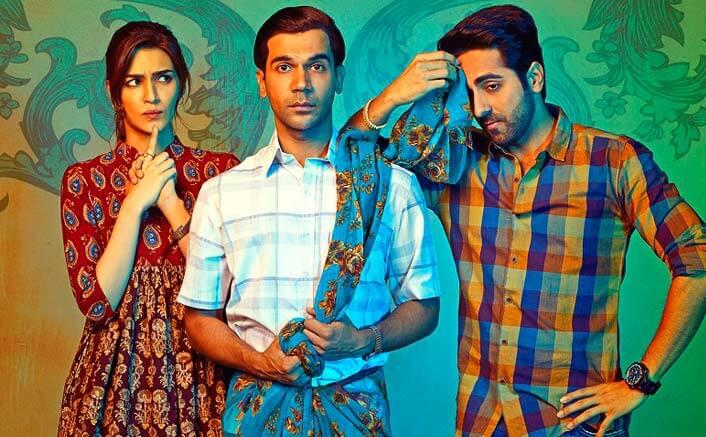
Comedy in Indian cinema has never existed in isolation from the society that produces it. Rather than functioning solely as light entertainment, humor in Indian films often reflects social norms, linguistic diversity, family structures, and regional traditions. India Comedy Movies are deeply rooted in culture because they draw directly from everyday experiences, shared histories, and collective social behaviors that audiences immediately recognize. From slapstick to satire, from wordplay to social parody, Indian comedy has consistently evolved alongside the country’s cultural realities.
Cultural Diversity as the Foundation of Indian Film Comedy
Regional Identity and Linguistic Humor
One of the primary reasons India Comedy Movies feel culturally embedded is the country’s linguistic and regional diversity. India produces films in multiple languages—Hindi, Tamil, Telugu, Malayalam, Bengali, Marathi, and more—and each cinematic tradition brings its own comedic sensibility. Humor often relies on local dialects, idioms, and speech patterns that reflect regional identity.
Films such as Chupke Chupke (1975) use linguistic misunderstanding as a central comedic device, highlighting the cultural significance of language and education in Indian society. Similarly, Malayalam comedies like Nadodikkattu (1987) derive humor from regional mannerisms and social expectations, making comedy an expression of local culture rather than a universal abstraction.
Folk Traditions and Performance Styles
Indian comedy cinema also inherits elements from folk theater traditions such as Nautanki, Yakshagana, and Tamasha. These performance forms emphasize exaggerated expressions, physical comedy, and musical interludes, all of which remain visible in Indian films. The comedic timing and physical humor seen in actors like Mehmood or Johnny Lever echo these older traditions, grounding cinematic comedy in performative cultural history.
Family and Social Structures as Comic Material
Joint Families and Domestic Comedy
Family dynamics are central to Indian culture, and they serve as a rich source of humor in Indian cinema. Many India Comedy Movies revolve around joint families, intergenerational conflicts, and domestic misunderstandings. Films such as Gol Maal (1979) and Khichdi: The Movie (2010) use exaggerated family personalities to explore cultural norms surrounding respect, hierarchy, and marriage.
Comedy emerges from familiar situations: domineering elders, obedient sons, rebellious daughters, and the constant negotiation between tradition and modernity. These films resonate because they reflect lived realities, using humor to soften critique while maintaining cultural authenticity.
Marriage as a Cultural Comedy Engine
Marriage occupies a central place in Indian social life, and it frequently becomes a focal point for comedy. Films like Band Baaja Baaraat (2010) and Tanu Weds Manu (2011) draw humor from wedding rituals, matchmaking anxieties, and societal expectations. The comedy works because it exaggerates cultural rituals that audiences recognize intimately.
Rather than mocking tradition outright, these films often celebrate it while acknowledging its absurdities. This balance allows comedy to function as cultural commentary without alienating viewers.
Social Satire and Cultural Critique
Comedy as a Tool for Social Observation
Indian comedy cinema has a long tradition of using humor to comment on social issues. Films such as Jaane Bhi Do Yaaro (1983) exemplify how satire can expose corruption, bureaucracy, and political hypocrisy while remaining accessible and entertaining. The film’s exaggerated characters and absurd situations reflect a society grappling with systemic dysfunction, making humor a vehicle for critique.
This approach reflects a broader cultural tendency to address uncomfortable truths indirectly. Comedy allows filmmakers to critique authority and social norms without overt confrontation, aligning with cultural preferences for indirect expression.
Class, Aspiration, and Urban Life
Many modern India Comedy Movies explore class mobility and urban aspirations. Films like Hera Pheri (2000) depict working-class characters navigating economic hardship through schemes that often backfire comically. The humor arises from the gap between aspiration and reality, a theme deeply embedded in India’s socio-economic landscape.
These comedies resonate because they reflect collective anxieties about success, survival, and dignity. The cultural specificity of these struggles makes the humor grounded rather than abstract.
Bold Subheading: Character Archetypes Rooted in Indian Culture
The Comic Sidekick and the Everyman
Indian comedy films frequently rely on recurring character archetypes that audiences instantly recognize. The witty servant, the cunning middleman, the naïve outsider, and the street-smart trickster are figures drawn from everyday social observation. Actors like Kader Khan and Paresh Rawal built iconic careers portraying such characters, blending humor with social realism.
In films like Hungama (2003), character-driven misunderstandings fuel the comedy, reflecting cultural norms around gossip, secrecy, and social reputation. These archetypes are not merely comedic tools; they represent recognizable social roles within Indian society.
Authority Figures as Comic Targets
Teachers, police officers, landlords, and bureaucrats often become targets of humor in Indian films. This reflects a cultural impulse to humanize or undermine authority through laughter. Films such as Munna Bhai M.B.B.S. (2003) use comedy to question rigid institutional behavior while promoting empathy and reform.
By making authority figures laughable rather than villainous, Indian comedy aligns with cultural strategies of coping with power structures through humor rather than rebellion.
Music, Rhythm, and Cultural Expression
Songs as Comedic Devices
Music plays an integral role in Indian cinema, and comedy films are no exception. Comic songs often exaggerate emotions, situations, or character traits for humorous effect. In Andaz Apna Apna (1994), songs and background music are used to heighten absurdity and reinforce character eccentricities.
These musical interludes draw from India’s storytelling traditions, where song and rhythm are natural extensions of narrative. Comedy benefits from this structure, as music provides an additional layer of cultural familiarity.
Dance and Physical Comedy
Dance sequences in comedy films often incorporate exaggerated movements and playful choreography. This physical expressiveness reflects cultural comfort with theatricality and spectacle. Comedy becomes a communal experience, inviting audiences to laugh at familiar gestures and rituals transformed into performance.
Evolving Culture and Contemporary Comedy
Modernization and Cultural Negotiation
As Indian society changes, so does its comedy. Contemporary films like Bareilly Ki Barfi (2017) and Dream Girl (2019) explore modern relationships, gender roles, and urban-rural dynamics while remaining culturally grounded. Humor arises from the clash between traditional expectations and modern aspirations.
These films demonstrate that India Comedy Movies remain culturally rooted not because they resist change, but because they adapt cultural observation to new contexts.
Digital Influence and Cultural Continuity
The rise of digital platforms has introduced new comedic voices, yet the cultural foundation remains intact. Even when humor becomes faster-paced or more experimental, it continues to draw from shared social experiences, linguistic play, and cultural norms.
Conclusion: Comedy as Cultural Reflection
India Comedy Movies are deeply rooted in culture because they emerge directly from the rhythms of everyday Indian life. Through language, family structures, social hierarchies, music, and regional identity, comedy films reflect collective experiences that audiences recognize and embrace. Humor becomes a mirror, revealing both the warmth and contradictions of Indian society.
By blending entertainment with observation, Indian comedy cinema sustains cultural continuity while allowing space for critique and evolution. Its enduring appeal lies in its ability to make audiences laugh at themselves, their traditions, and their changing world, proving that comedy, when grounded in culture, becomes one of cinema’s most powerful storytelling tools.
 Russian
 English
 Arabic
 French
 Spanish
 Portuguese
 Deutsch
 Turkish
 Dutch
Dutch
 Italiano
 Romaian
 Portuguese (Brazil)
 Greek
Greek