


What Defines Cultural Identity in Chinese Animated Movies?
Chinese animation has undergone a remarkable transformation over the past two decades, evolving from a largely domestic medium into a globally visible cinematic form. While stylistic innovation and technological advancement have played crucial roles in this evolution, the defining strength of Chinese Animated Movies lies in their deep engagement with cultural identity. These films do not merely tell entertaining stories; they actively reinterpret mythology, philosophy, history, and social values that have shaped Chinese civilization for centuries. Cultural identity in Chinese animated cinema emerges through narrative themes, visual aesthetics, moral frameworks, and the ongoing dialogue between tradition and modernity.
Mythology and Folklore as Cultural Foundations
Reimagining Classical Legends
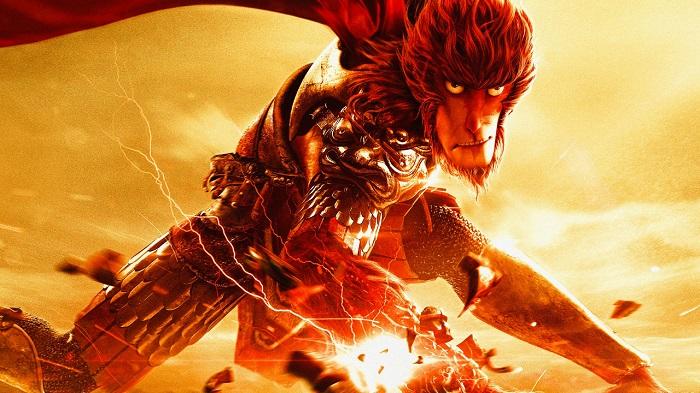
One of the most prominent ways Chinese animated films express cultural identity is through the reinterpretation of classical myths and folklore. Stories drawn from texts such as Journey to the West, Investiture of the Gods, and regional legends form the backbone of many contemporary productions. Films like Monkey King: Hero Is Back (2015) revive iconic mythological figures while reshaping them for modern audiences. The Monkey King, traditionally a symbol of rebellion and enlightenment, is portrayed with emotional vulnerability, reflecting contemporary concerns about identity and responsibility.
Similarly, Ne Zha (2019) reinterprets the ancient tale of a demon-born child destined for destruction. Instead of presenting fate as immutable, the film reframes the myth around self-determination, a theme that resonates strongly with modern Chinese youth. By grounding innovation in familiar mythology, these films reinforce cultural continuity while allowing reinterpretation.
Myth as a Living Cultural Language
In Chinese Animated Movies, mythology functions not as distant heritage but as a living cultural language. Jiang Ziya (2020) transforms a legendary strategist into a morally conflicted hero, emphasizing ethical ambiguity rather than divine certainty. This approach reflects traditional Chinese philosophical debates about duty, compassion, and justice, demonstrating how ancient stories remain relevant to contemporary moral inquiry.
Philosophical Traditions and Moral Worldviews
Confucian, Daoist, and Buddhist Influences
Cultural identity in Chinese animation is deeply shaped by philosophical traditions that emphasize harmony, balance, and moral responsibility. Confucian values such as filial piety, loyalty, and social harmony often underpin character motivations and narrative resolutions. Daoist ideas of natural balance and non-action influence pacing, visual composition, and thematic focus, while Buddhist concepts of suffering and enlightenment inform character arcs.
Big Fish & Begonia (2016) exemplifies this philosophical synthesis. The film’s narrative, inspired by Daoist cosmology, emphasizes interconnectedness between human and natural realms. Characters are guided by cosmic balance rather than individual ambition, reflecting a worldview distinct from Western hero-centric storytelling.
Moral Growth Over Individual Triumph
Unlike narratives that prioritize individual victory, Chinese Animated Movies often emphasize moral growth and collective harmony. In White Snake (2019), love becomes a catalyst for ethical questioning rather than conquest. The film explores sacrifice, reincarnation, and spiritual awakening, drawing heavily from Buddhist and Daoist themes. Cultural identity emerges through this moral framework, where emotional fulfillment is inseparable from ethical responsibility.
Bold Subheading: Visual Aesthetics Rooted in Traditional Art
Ink Painting, Calligraphy, and Architectural Heritage
The visual language of Chinese animation plays a crucial role in expressing cultural identity. Many films draw inspiration from traditional ink painting, calligraphy, and classical architecture. Big Fish & Begonia employs flowing lines, muted color palettes, and symbolic imagery reminiscent of shanshui (landscape) painting, creating a visual experience grounded in Chinese artistic traditions.
In Green Snake (2021), bold color contrasts and stylized movement reflect both traditional aesthetics and modern graphic design. The fusion of ancient visual motifs with contemporary animation techniques illustrates how cultural identity adapts without losing its roots.
Symbolism Embedded in Visual Design
Symbolism is central to Chinese artistic expression, and animated films use visual metaphors extensively. Mountains represent spiritual ascent, water symbolizes transformation, and animals often embody moral qualities. These symbols are not explained explicitly; they are assumed as shared cultural knowledge. This reliance on visual symbolism reinforces cultural specificity and distinguishes Chinese Animated Movies from more literal storytelling traditions.
Historical Memory and National Identity
Reclaiming Cultural Narratives
Chinese animation increasingly engages with historical memory as a way of reaffirming cultural identity. Even when stories are fantastical, they often echo historical experiences of struggle, resilience, and transformation. The New Gods series, including New Gods: Nezha Reborn (2021), transposes mythological figures into futuristic urban settings while retaining historical resonance. This blending of timelines reflects China’s ongoing negotiation between tradition and modernization.
Collective Experience Over Individualism
Historical consciousness in Chinese animation often prioritizes collective experience over individual heroism. Characters are shaped by social context, ancestral legacy, and communal obligation. This emphasis reflects a cultural identity rooted in continuity and shared memory rather than isolated self-expression.
Modern Identity and Cultural Reinterpretation
Youth, Rebellion, and Self-Definition
Contemporary Chinese Animated Movies frequently address the tension between inherited tradition and modern self-definition. Films like Ne Zha resonate with younger audiences by framing rebellion not as rejection of culture but as a reinterpretation of it. Ne Zha’s struggle is not against tradition itself but against rigid interpretations of destiny.
This narrative approach allows cultural identity to remain dynamic. Tradition becomes a foundation rather than a constraint, enabling younger generations to see themselves within cultural narratives rather than outside them.
Urbanization and Changing Values
Modern settings and futuristic aesthetics increasingly appear in Chinese animation, reflecting rapid urbanization and technological change. Yet even in these contexts, cultural identity persists through philosophical themes, symbolic imagery, and moral questions rooted in tradition. New Gods: Nezha Reborn uses a cyberpunk aesthetic while maintaining mythological structure, illustrating how cultural identity evolves alongside social transformation.
Global Influence and Cultural Assertion
Dialogue with Global Animation
Chinese Animated Movies now exist within a global cinematic conversation. While influenced by Japanese anime and Western animation, they increasingly assert a distinct cultural voice. Rather than imitating foreign styles, recent films emphasize Chinese stories, values, and aesthetics, presenting cultural identity as a point of creative strength.
Cultural Specificity as Universal Appeal
Paradoxically, the more culturally specific Chinese animated films become, the more universally resonant they appear. Themes of fate, belonging, sacrifice, and moral choice transcend cultural boundaries when expressed authentically. By remaining rooted in Chinese philosophy and storytelling traditions, these films achieve emotional universality without cultural dilution.
Conclusion: Cultural Identity as Creative Core
Cultural identity in Chinese Animated Movies is defined by a complex interplay of mythology, philosophy, visual tradition, and contemporary reinterpretation. Through reimagined legends, philosophical depth, symbolic aesthetics, and historical consciousness, these films articulate a vision of identity that is both ancient and evolving.
Rather than treating culture as a static backdrop, Chinese animated cinema uses it as a dynamic creative force. Each film becomes a conversation between past and present, tradition and innovation. As Chinese Animated Movies continue to gain international recognition, their cultural identity remains their most distinctive and enduring strength, offering audiences not only entertainment but a profound insight into the values and imagination of Chinese civilization.
 Italiano
 English
 Arabic
 French
 Spanish
 Portuguese
 Deutsch
 Turkish
 Dutch
Dutch
 Russian
 Romaian
 Portuguese (Brazil)
 Greek
Greek