


How Does Anne Sexton Integrate Dark Humor in Her Poetry?
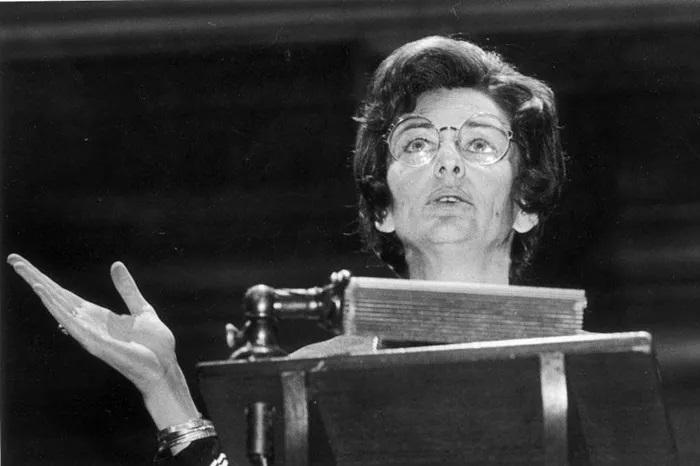
Anne Sexton occupies a singular position in twentieth-century American poetry, particularly within the confessional movement. Her work confronts subjects that were once considered taboo in lyric poetry, including mental illness, suicide, female desire, family trauma, and death. What distinguishes Anne Sexton from many of her contemporaries is not only the rawness of her subject matter but her persistent use of dark humor. This humor does not trivialize suffering; rather, it sharpens its emotional impact. Through irony, satire, grotesque imagery, and tonal contradiction, Sexton transforms personal anguish into a form of unsettling wit that deepens the psychological and philosophical dimensions of her poetry.
Dark Humor as Emotional Strategy
Humor as a Method of Survival
In Anne Sexton’s poetry, dark humor frequently functions as a survival mechanism. Rather than softening pain, humor becomes a way of confronting it directly without sentimentality. Poems such as “Wanting to Die” present suicidal ideation with a chilling calm that borders on irony. The language is often precise, almost conversational, creating a disturbing contrast between the gravity of the subject and the poet’s controlled, sometimes sardonic tone.
This tonal dissonance allows Sexton to maintain emotional authority over experiences that might otherwise overwhelm both poet and reader. Humor becomes a form of resistance, a way of asserting consciousness and agency in the face of despair. The laughter implied in her work is rarely joyous; it is defensive, bitter, and deeply self-aware.
Irony and Emotional Distance
Irony plays a central role in how Anne Sexton integrates dark humor. By framing painful experiences through ironic observation, Sexton creates a small but crucial distance between the speaker and the trauma being described. This distance allows reflection without denial. In poems addressing hospitalization or psychiatric treatment, clinical language is often juxtaposed with biting wit, exposing the absurdity of institutional authority while acknowledging genuine suffering.
This ironic stance also challenges readers to confront their own discomfort. Sexton’s humor forces an ethical reckoning, asking whether laughter is permissible in the presence of pain and, if so, what kind of laughter is honest.
Confessional Poetics and Comic Subversion
Reworking the Confessional Mode
Anne Sexton is often associated with confessional poetry, a mode characterized by autobiographical intensity and emotional exposure. However, her use of dark humor complicates the confessional label. Rather than presenting confession as pure catharsis, Sexton often undermines it with comic exaggeration and self-mockery. The speaking voice in her poems is frequently aware of its own performance, using humor to question sincerity itself.
In “The Double Image,” maternal guilt and mental illness are conveyed through language that alternates between tenderness and caustic observation. The speaker’s awareness of her own failures is laced with irony, preventing the poem from becoming self-pitying. Humor here functions as a critical lens through which the self is examined rather than excused.
Self-Exposure and Mockery
Dark humor allows Anne Sexton to expose the self while simultaneously critiquing it. The poet often portrays herself as flawed, contradictory, and complicit in her own suffering. This self-mockery destabilizes the reader’s expectations of confession as a plea for sympathy. Instead, the poems invite a more complex engagement, one that acknowledges both vulnerability and accountability.
By laughing at herself, Sexton refuses the role of passive victim. The humor becomes a means of reclaiming narrative control, transforming personal pain into a site of artistic power.
Grotesque Imagery and Comic Shock
The Body as a Site of Dark Comedy
One of the most striking ways Anne Sexton integrates dark humor is through grotesque bodily imagery. Physical decay, illness, and sexuality are often depicted with an unsettling blend of revulsion and wit. In poems such as “The Doctor of the Heart,” medical authority is rendered almost cartoonish, exposing the invasive and dehumanizing aspects of treatment through exaggerated imagery.
This use of the grotesque aligns Sexton with a broader literary tradition in which humor emerges from bodily vulnerability. The body becomes a source of both horror and comedy, emphasizing the absurdity of human attempts to control mortality and desire.
Shock as a Comic Device
Shock is a recurring element in Sexton’s dark humor. Sudden shifts in tone, unexpected metaphors, and blunt declarations disrupt lyrical expectations. This shock often produces a nervous laughter that is inseparable from discomfort. The reader is caught between emotional empathy and intellectual astonishment.
In poems addressing death, Sexton sometimes employs almost playful metaphors, forcing readers to confront their own unease with mortality. This strategy does not diminish the seriousness of death; rather, it exposes the inadequacy of conventional solemnity in capturing its psychological impact.
Myth, Fairy Tales, and Subversive Humor
Rewriting Cultural Narratives
In her later work, particularly in Transformations, Anne Sexton reimagines Grimm fairy tales through a lens of dark humor and feminist critique. These poems use irony and satire to expose the violence, misogyny, and moral hypocrisy embedded in traditional narratives. By exaggerating cruelty and highlighting absurd moral logic, Sexton reveals how cultural myths normalize suffering.
The humor in these poems is sharper and more overtly satirical than in her earlier confessional work. Fairy tale figures are stripped of innocence and rendered psychologically complex, often grotesque. Laughter becomes a tool for cultural demystification.
Humor as Feminist Resistance
Dark humor also functions as a form of feminist resistance in Sexton’s poetry. By mocking idealized representations of femininity, marriage, and motherhood, she challenges the social structures that contribute to female alienation. In these poems, humor undermines authority and exposes the contradictions of prescribed gender roles.
Anne Sexton’s ironic treatment of domestic life reveals how humor can articulate rage without abandoning wit. The comic tone allows for critique without didacticism, making the poems both accessible and subversive.
Tone, Voice, and Reader Engagement
Conversational Wit and Intimacy
The voice in Anne Sexton’s poetry is often conversational, drawing readers into an intimate space where humor feels confessional yet performative. Jokes, asides, and ironic observations create a sense of complicity between speaker and reader. This intimacy intensifies the emotional stakes, making moments of pain more immediate.
The humor is rarely decorative. It emerges organically from voice and perspective, reinforcing the authenticity of the emotional experience. Readers are not invited to laugh comfortably but to recognize themselves in the tension between humor and despair.
Ethical Ambiguity of Laughter
Sexton’s dark humor frequently raises ethical questions about laughter itself. Is it permissible to laugh at suicide, madness, or death? Anne Sexton does not provide easy answers. Instead, her poetry situates laughter within moral ambiguity, forcing readers to examine their own emotional responses.
This ambiguity is central to the power of her work. Dark humor becomes a site of ethical engagement rather than release, compelling readers to confront the complexity of human suffering without retreating into sentimentality.
Conclusion: Dark Humor as Poetic Truth
Anne Sexton integrates dark humor into her poetry as a means of confronting pain with clarity, intelligence, and emotional courage. Through irony, grotesque imagery, self-mockery, and satirical revision of cultural myths, she transforms personal and collective trauma into a form of poetic truth. Her humor does not offer escape; it demands attention.
In Anne Sexton’s work, laughter and despair coexist, revealing the contradictions at the heart of human experience. Dark humor becomes not a denial of suffering but an acknowledgment of its complexity. By refusing to separate wit from pain, Sexton expands the emotional and ethical possibilities of lyric poetry, leaving a body of work that continues to unsettle, challenge, and resonate with readers across generations.
 Italiano
 English
 Arabic
 French
 Spanish
 Portuguese
 Deutsch
 Turkish
 Dutch
Dutch
 Russian
 Romaian
 Portuguese (Brazil)
 Greek
Greek