


Global Synthetic Leather Market Set for Strong Growth Through 2031 with 7.4% CAGR, Driven by Sustainability and Automotive Demand
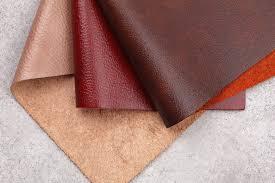
The Global Synthetic Leather Market is poised for significant expansion through 2031, propelled by rising consumer preference for ethical materials, enhanced applications across industries, and technological innovations in product development. According to the latest analysis by Reed Intelligence, the market is projected to grow at an approximate compound annual growth rate (CAGR) of 7.4% over the forecast period (2023–2031).
Market Size (Base & Forecast Year + CAGR)
Base Year: 2023
Forecast Year: 2031
CAGR: ~7.4% (2023–2031)
The report outlines a robust expansion pattern, reflecting growing demand in automotive interiors, footwear, sport goods, and furniture applications.
Key Market Highlights
Largest Region: Asia Pacific continues to lead the global synthetic leather market in overall share, driven by emerging economies, cost-effective production, and escalating demand in footwear and automotive segments.
Rapidly Growing Region: Asia Pacific is also identified as the fastest growing region, with dynamic growth supported by expanding middle-class consumption and increased manufacturing capabilities across China, India and Southeast Asia.
Leading Segment (By Type):
Polyvinyl Chloride (PVC) and Normal Polyurethane (PU) segments currently dominate, owing to their balance of performance, aesthetics, and cost.
Fastest Growing Segment (By Application):
Automotive Interiors and Sport Shoes applications are witnessing accelerated adoption, attributed to increased vehicle production and athleisure trends worldwide.
Market Dynamics
Drivers:
The synthetic leather market’s growth is primarily driven by rising global demand for sustainable and ethical alternatives to genuine leather. Consumers, particularly in developed and emerging markets, are increasingly opting for cruelty-free and low-maintenance materials. Further fuel is provided by rapid expansion in sectors like automotive interiors, footwear, and luxury goods, where synthetic leather adds value through durability, design flexibility, and cost competitiveness.
Restraints:
Despite strong growth trajectory, the synthetic leather industry faces challenges such as regulatory hurdles associated with environmental standards for manufacturing and waste management. Supply chain constraints and competitive pressures from natural leather alternatives can also limit widespread adoption in certain regions.
Opportunities:
Technological advancements, including the rise of bio-based and recyclable synthetic leather materials, present compelling opportunities for industry expansion. Companies that innovate around eco-friendly production processes and expand into underserved geographic and application segments stand to benefit significantly over the forecast period.
Top Market Players
The competitive landscape is marked by a number of global participants, including:
Kuraray
Toray
Teijin
Bayer
Favini
Sappi
Asahi Kansei
Ducksung
DAEWON Chemical
Filwel
Kolon
Sanfang
Nanya
Wenzhou Imitation Leather
Anhui Anli
Fujian Tianshou
Shandong Jinfeng
Yantai Wanhua
Shandong Tongda
Jiaxing Hexin
Segmentation List
By Type:
PVC
Normal PU
Microfiber PU
Ecological Function PU
By Application:
Sport Shoes
Bags
Furniture
Car Interiors
Sports Goods
By Region:
North America
Europe
Asia Pacific (APAC)
Latin America
Middle East & Africa (LAMEA)
About the Report
The Global Synthetic Leather Market report by Reed Intelligence provides a comprehensive analysis of market trends, drivers, restraints, opportunities, competitive landscape and detailed segmentation across product types, applications, and regions. It offers insights into the current dynamics and future outlook from 2023 to 2031, including profiles of key players shaping the industry.
 English
 Arabic
 French
 Spanish
 Portuguese
 Deutsch
 Turkish
 Dutch
Dutch
 Italiano
 Russian
 Romaian
 Portuguese (Brazil)
 Greek
Greek