


How to Rank a New Website in 2026: The Ultimate Guide
Introduction
Launching a new website in 2026 can feel overwhelming. You’ve built the site, published content, and waited—yet nothing shows up on page one. If you’re wondering why your new website isn’t ranking or how long SEO really takes, you’re not alone.
The truth is, ranking a new website today is very different from even a few years ago. Search engines are smarter, competition is tougher, and shortcuts simply don’t work anymore. But the good news? With the right strategy, you absolutely can rank a new website in 2026, even in competitive niches.
In this ultimate guide, I’ll walk you through a proven, step-by-step SEO framework based on real-world experience, E.E.A.T principles, and what’s actually working right now—so you can build visibility, trust, and rankings the right way.
Why Ranking a New Website Is Harder (and Smarter) in 2026
Search engines now prioritize trust, experience, and relevance over quick optimization tricks. A new website has no history, no authority, and no trust signals yet—which puts it at a disadvantage.
But that doesn’t mean you can’t compete.
What it means is this:
You must earn rankings, not manipulate them.
In 2026, search engines evaluate:
-
Content quality and depth
-
Author expertise and credibility
-
Real user engagement signals
-
Brand consistency across the web
Once you understand this shift, ranking a new website becomes a strategic process—not a guessing game.
Step 1: Start With the Right SEO Foundation
Before you think about content or backlinks, your technical foundation must be solid.
Set Up the Essentials First
Every new website should have:
-
Proper indexing and crawlability
-
A clean URL structure
-
Fast loading speed (especially on mobile)
-
Secure HTTPS
-
Clear site architecture
Search engines need to understand your site easily before they can rank it.
Submit Your Website to Search Engines
Make sure your site is connected to tools like Google Search Console and analytics platforms. This helps search engines discover your pages faster and gives you early performance data.
👉 Why this matters: If search engines can’t crawl or interpret your site properly, no amount of content will rank.
Step 2: Choose Keywords New Websites Can Actually Rank For
One of the biggest mistakes I see is new websites targeting overly competitive keywords too early.
Instead, focus on:
-
Long-tail keywords
-
Low-competition, high-intent phrases
-
Questions-based searches
Example of Smart Keyword Targeting
Instead of targeting:
-
“SEO services”
Start with:
-
“SEO services for small businesses in the USA”
-
“how to rank a new website in 2026”
-
“SEO tips for brand new websites”
These keywords have clear intent and far less competition—perfect for a new domain.
Step 3: Create Content That Proves Experience and Expertise
In 2026, content that ranks isn’t just informative—it’s experienced.
You need to show:
-
First-hand knowledge
-
Real examples
-
Practical advice
-
Clear explanations
What High-Ranking Content Looks Like Now
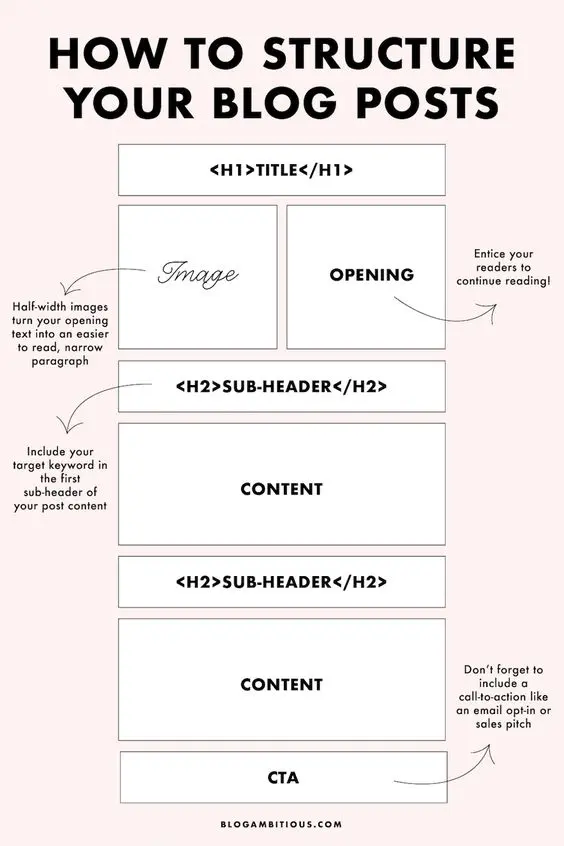
Your content should:
-
Answer the searcher’s question completely
-
Use natural language (not robotic SEO text)
-
Include real-world insights or scenarios
-
Be easy to read and skimmable
Short, generic blog posts no longer work. One in-depth, helpful guide will outperform ten shallow articles.


Step 4: Build Topical Authority (Not Just Blog Posts)
Ranking a new website is faster when search engines see you as a topical expert.
What Is Topical Authority?
It means covering a subject deeply and consistently, not randomly.
For example, if your site is about SEO:
-
Write guides on keyword research
-
Create content on technical SEO
-
Cover local SEO, on-page SEO, and tools
-
Interlink everything logically
This tells search engines: “This site knows what it’s talking about.”
Step 5: Optimize On-Page SEO the Right Way
On-page SEO still matters—but it must feel natural.
On-Page SEO Best Practices for 2026
-
Use your main keyword naturally in the title and H1
-
Add semantic and LSI keywords throughout the content
-
Optimize meta titles and descriptions for clicks
-
Use clear headings (H2, H3) for structure
-
Add internal links to related content
👉 Pro tip: Don’t over-optimize. If it sounds forced, it won’t perform well.
Step 6: Earn Trust Signals Early
New websites lack trust. Your job is to build it quickly and ethically.
Ways to Build Trust in 2026
-
Add a detailed About page
-
Show author bios with experience
-
Include real contact information
-
Publish consistent, high-quality content
-
Get mentioned on relevant websites
Search engines want proof that your website—and you—are legitimate.
Step 7: Build Backlinks Slowly and Strategically
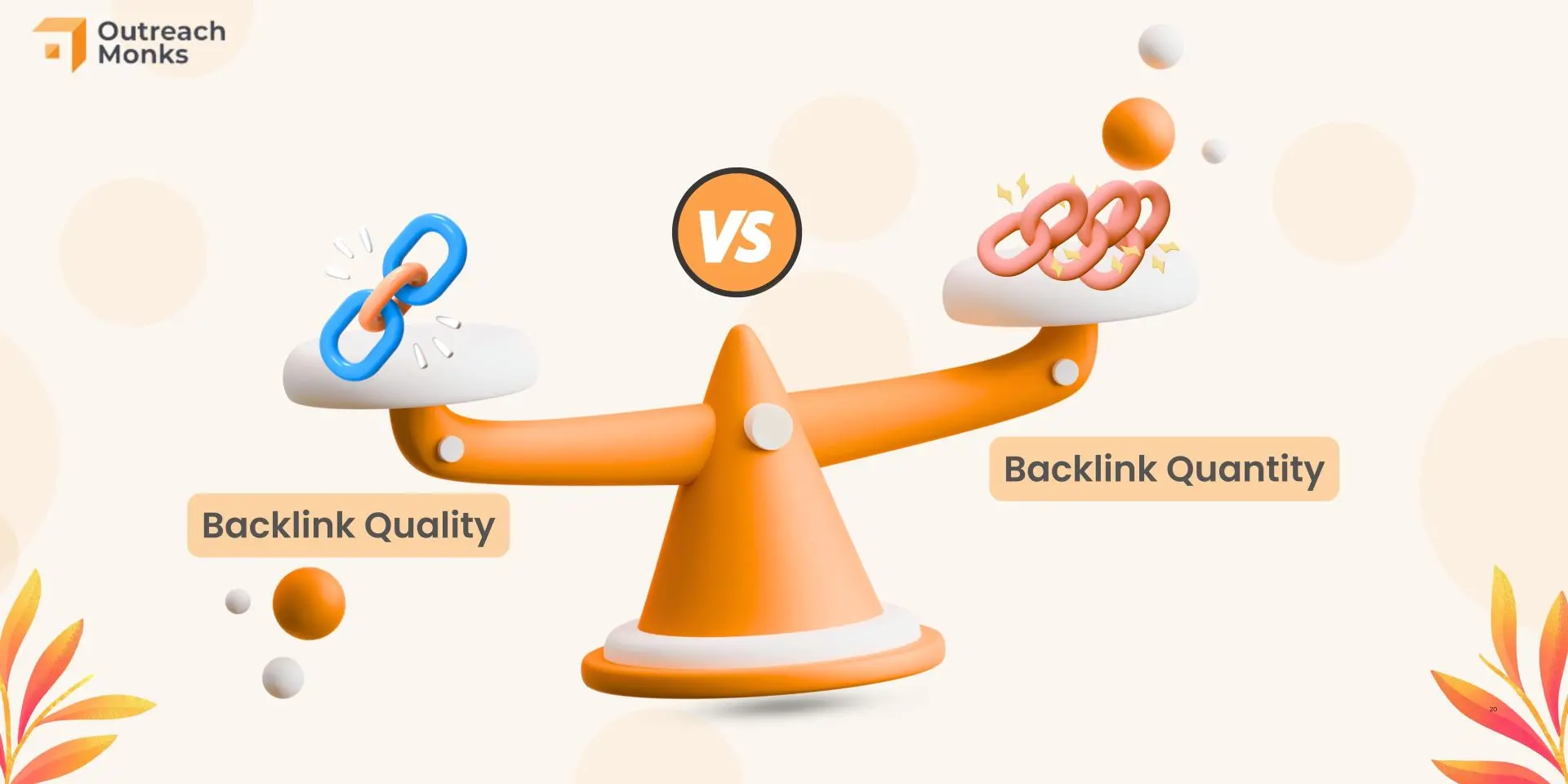
You don’t need hundreds of backlinks to rank a new website. You need the right ones.
Smart Link Building for New Websites
Focus on:
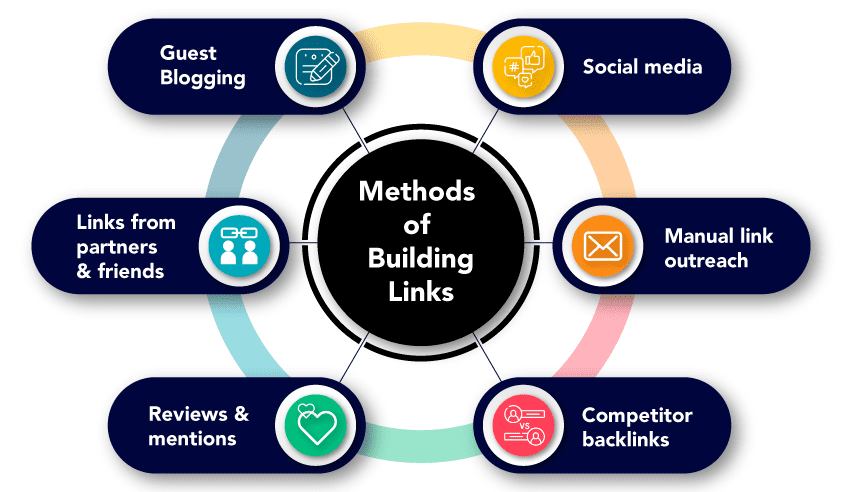
-
Guest posts on niche-relevant blogs
-
Business listings and citations
-
Digital PR mentions
-
Contextual links from real content
Avoid spammy tactics. One quality backlink can outperform fifty low-quality ones.
Step 8: Focus on User Engagement Signals
Search engines now measure how users interact with your site.
They look at:
-
Time on page
-
Bounce rate
-
Scroll depth
-
Click-through rate
How to Improve Engagement
-
Write conversationally
-
Break content into short sections
-
Use bullet points and visuals
-
Answer questions clearly
-
Add internal links naturally
If users stay, read, and engage—your rankings improve.
Step 9: Be Patient (SEO Still Takes Time)
This part matters.
A new website typically takes:
-
3–4 months to gain traction
-
6–9 months for consistent rankings
-
12 months for strong authority
Anyone promising instant rankings in 2026 isn’t being honest.
SEO rewards consistency, not shortcuts.
Frequently Asked Questions (FAQs)
How long does it take to rank a new website in 2026?
Most new websites start seeing results within 3–6 months, depending on competition, content quality, and consistency.
Can a new website rank without backlinks?
Yes, for low-competition and long-tail keywords—but backlinks are still essential for scaling.
How many blog posts does a new website need?
There’s no fixed number, but 10–20 high-quality, well-structured articles is a strong starting point.
Does AI content rank for new websites?
AI-assisted content can rank only if it’s edited, improved, and backed by real expertise and value.
Conclusion: The Real Way to Rank a New Website in 2026
Ranking a new website in 2026 isn’t about hacks—it’s about earning trust, providing value, and staying consistent.
If you focus on:
-
Strong foundations
-
Smart keyword targeting
-
Helpful, experience-driven content
-
Ethical SEO practices
You will build rankings over time.
 Romaian
 English
 Arabic
 French
 Spanish
 Portuguese
 Deutsch
 Turkish
 Dutch
Dutch
 Italiano
 Russian
 Portuguese (Brazil)
 Greek
Greek