


Smart Agriculture Solution Market Outlook Highlighting Automation Robotics And Drone Adoption In Global Farming
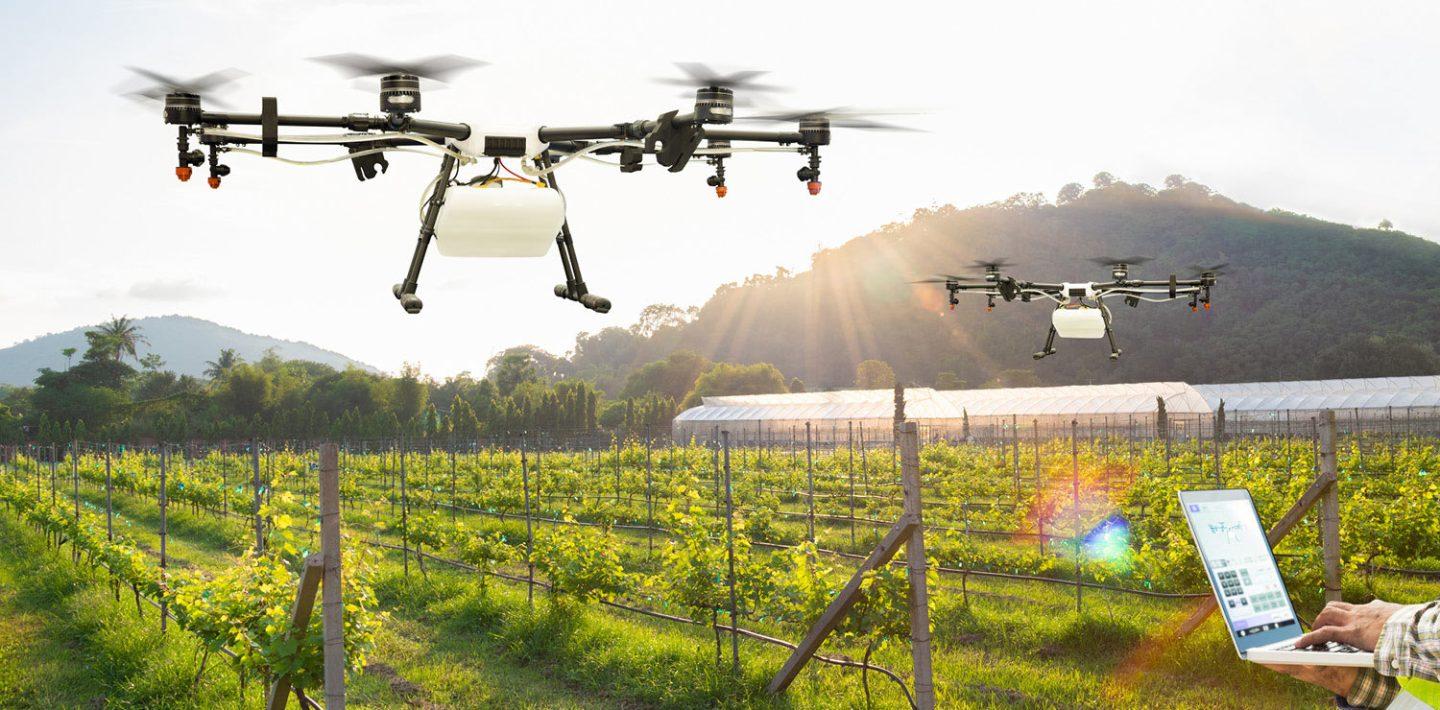
The smart agriculture solution market is witnessing rapid transformation as automation, robotics, and drone technologies become central to modern farming practices. Rising labor shortages, increasing production costs, and the need for higher yields are pushing farmers to adopt intelligent mechanization solutions. Smart agriculture technologies enable precision operations, reduce dependency on manual labor, and support data-driven decision-making across diverse agricultural environments.
Growing Importance Of Automation In Agriculture
Automation has emerged as a critical response to structural challenges in agriculture.
Many regions face aging farming populations and reduced availability of seasonal labor. Automated systems address these issues by ensuring timely execution of tasks such as planting, spraying, and harvesting. Automation improves consistency, reduces human error, and enhances operational reliability, making it an essential component of modern farming strategies.
Agricultural Robotics Enhancing Precision Operations
Robotics technologies are reshaping on-field activities by delivering high levels of precision.
Autonomous robots equipped with sensors and navigation systems perform tasks such as weeding, seeding, and crop inspection. These robots operate continuously with minimal supervision, ensuring uniform field coverage. Precision robotics reduces input usage, minimizes crop damage, and improves overall farm productivity, especially in large-scale operations.
Drones Revolutionizing Crop Monitoring
Drones play a vital role in aerial monitoring and data collection.
Equipped with high-resolution cameras and multispectral sensors, drones capture detailed images of crop health, growth patterns, and stress indicators. These insights help farmers identify nutrient deficiencies, water stress, and pest infestations early. Rapid data collection over large areas makes drones an efficient tool for precision agriculture and proactive crop management.
Integration Of AI With Automation Systems
Artificial intelligence enhances the effectiveness of automation and robotics.
AI algorithms analyze data collected from sensors, robots, and drones to generate actionable insights. Machine learning models optimize routes for autonomous machinery, improve object detection for weeding robots, and predict maintenance needs for equipment. This integration improves system performance and maximizes return on investment for farmers.
Labor Efficiency And Cost Reduction
Automation significantly improves labor efficiency in farming operations.
By replacing repetitive and labor-intensive tasks, smart agriculture solutions reduce reliance on manual labor. This shift lowers operational costs while ensuring consistency in farm activities. Automation also reduces workplace injuries and fatigue, creating safer and more sustainable working environments in agriculture.
Precision Input Application And Resource Optimization
Robotics and automated machinery enable precise application of inputs.
Variable-rate technology allows equipment to adjust fertilizer, pesticide, and water application based on real-time field conditions. This targeted approach minimizes waste, reduces environmental impact, and enhances crop health. Efficient resource utilization supports both economic and environmental sustainability objectives.
Adoption Across Different Farm Sizes
Automation technologies are increasingly accessible to farms of varying sizes.
While large commercial farms were early adopters, advancements in modular and scalable solutions now support small and medium-sized farms. Compact robots, affordable drones, and subscription-based digital platforms lower adoption barriers, expanding market penetration globally.
Regional Trends In Automation Adoption
Automation adoption varies across regions based on infrastructure and investment capacity.
Developed regions focus on fully autonomous machinery and advanced robotics integrated with digital platforms. Emerging economies adopt drone monitoring, semi-autonomous equipment, and mobile-based control systems. Government incentives and training initiatives are accelerating adoption in developing agricultural markets.
Challenges In Deployment And Integration
Despite strong growth potential, challenges remain in automation adoption.
High upfront costs, technical complexity, and limited technical expertise can slow implementation. Interoperability between equipment and platforms is another concern. Addressing these challenges requires standardized systems, farmer education, and supportive financing models that encourage long-term investment.
Maintenance And Reliability Considerations
Reliability is critical for automated agricultural systems.
Predictive maintenance powered by data analytics helps detect equipment issues before failures occur. Remote diagnostics and software updates improve system uptime and operational continuity. Reliable maintenance frameworks are essential for building trust and ensuring sustained adoption of automation technologies.
Environmental And Sustainability Impact
Automation contributes positively to sustainable farming practices.
Precision operations reduce chemical runoff, soil compaction, and fuel consumption. Efficient machinery usage lowers emissions and supports climate-friendly agriculture. Sustainable automation aligns productivity improvements with environmental stewardship goals.
Future Outlook For Automated Farming
The future of agriculture will see deeper integration of automation, robotics, and drones.
Advancements in artificial intelligence, connectivity, and energy-efficient equipment will further enhance system capabilities. Autonomous farming ecosystems combining machinery, analytics, and real-time monitoring will become increasingly common, driving long-term growth in the smart agriculture solution market.
Conclusion
Automation, robotics, and drone technologies are redefining how farming operations are managed. Smart agriculture solutions enable precision, efficiency, and resilience across global farming systems. As adoption expands, these technologies will play a central role in meeting future food demand while promoting sustainable agricultural practices.
 English
 Arabic
 French
 Spanish
 Portuguese
 Deutsch
 Turkish
 Dutch
Dutch
 Italiano
 Russian
 Romaian
 Portuguese (Brazil)
 Greek
Greek