


What Does an English Horn Look Like? Shape, Size & More
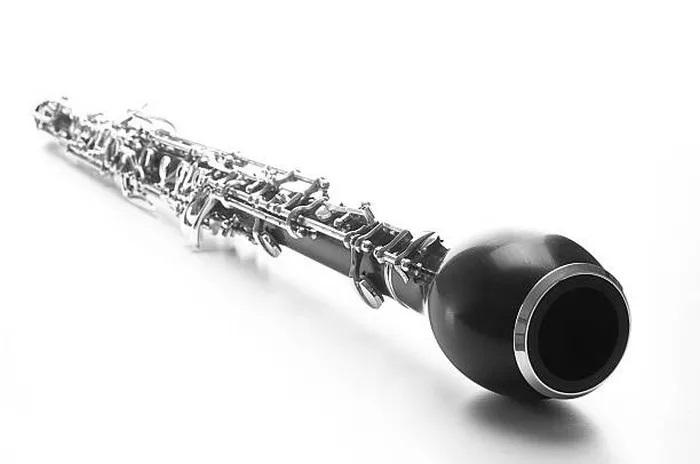
The English horn is a unique and captivating instrument that belongs to the woodwind family. Its rich, mellow sound is only part of what makes it special—the instrument’s physical design is equally fascinating. Many people are surprised by the English horn’s elegant structure, which is both similar to and distinct from the oboe, with its own unique shape, color, materials, and specialized components. This article takes an in-depth look at what an English horn looks like, describing every visible aspect in detail so that even those unfamiliar with it can picture the instrument clearly.
Basic Shape and Size of the English Horn
At first glance, the English horn may look like a slightly larger and bent version of the oboe. That assumption isn’t far from the truth. The English horn typically measures around 90 centimeters (35 inches) in length, making it about one-third longer than the oboe. This added length gives the English horn its deeper pitch.
The body of the instrument is gently conical, meaning it gradually widens from the top (where the reed attaches) to the bottom (where the bell flares). The conical bore influences both the instrument’s sound and its structure, contributing to its warm, haunting tone. This tapering shape is also essential to the English horn’s acoustic properties.
The Characteristic Bent Metal Crook
One of the most recognizable features of the English horn is its bent metal crook, also called the bocal. Unlike the straight reed setup on the oboe, the English horn’s reed is attached to this curved metal tube. The crook connects the reed to the body of the instrument, creating a distinctive S-shaped bend at the top of the horn.
This curve isn’t just aesthetic—it also serves a functional purpose. It allows the player to hold the longer instrument comfortably and aligns the reed to a more natural embouchure position. The crook is usually made from silver or nickel-plated brass and often has a slightly dull or matte finish to reduce glare and increase grip.
The Double Reed and Its Design
The English horn uses a double reed made from two pieces of cane tied together. While similar in concept to the oboe reed, the English horn reed is longer, wider, and has a larger opening. It attaches to the crook and is one of the first things people notice when viewing the instrument from up close.
Because it is handcrafted by professionals and often customized to suit individual playing styles, the reed may vary slightly in size, color, and thickness. Some reeds appear golden yellow from the cane material, while others may have a light brown hue depending on the finishing process.
The Body Material and Finish
Most professional English horns are made from grenadilla wood, a dense, black hardwood from Africa. Grenadilla is favored for its ability to project sound, resist moisture, and maintain a consistent tone. Its deep, dark appearance gives the instrument a luxurious and refined look. Some beginner or intermediate models might be made from composite or synthetic materials to reduce cost and weight.
The wooden body often has a polished finish that enhances the natural grain, although some models have a matte look. The bore is drilled precisely to maintain the acoustical profile, and the exterior surface is treated with oil or lacquer to prevent cracking.
The Bell: Pear-Shaped and Distinct
A significant visual difference between the English horn and the oboe lies in the bell. The English horn’s bell is not flared outwards like that of a clarinet or a bassoon. Instead, it has a unique “pear-shaped” design. This bulbous, rounded bell softens the horn’s timbre and plays a vital role in producing its melancholic and resonant sound.
Made from the same wood as the body, the bell is often detachable. Some players or manufacturers may customize this part to slightly alter the instrument’s tone or projection.
The Keywork and Silver Plating
The English horn features a complex network of keys, levers, and rods that allow players to produce different pitches. These are usually made from nickel-silver and are plated with silver for added durability and aesthetics. The layout is similar to the oboe’s key system, but slightly more spread out to accommodate the larger body.
When looking at the English horn, the shine of the silver-plated keys contrasts beautifully against the dark body. The keywork extends down the front, back, and sides of the instrument, giving it a detailed and ornate look. Each key is carefully positioned for ergonomic access and precise control.
Octave Keys and Thumb Rests
The English horn includes octave keys to help players transition between registers. These keys are visible near the top joint and are operated with the left-hand thumb. Unlike on a flute or clarinet, these octave mechanisms are not just simple vents but part of a more intricate system.
The thumb rest is another notable feature. Given the instrument’s weight and size, the English horn often has a larger, adjustable thumb rest to support comfort during long playing sessions. Some models include a ring or hook for use with a neck strap or harness, which is visible and helpful in understanding the ergonomics of the instrument.
Joint Sections: Upper and Lower
The English horn is made of several sections that are assembled before playing. These typically include the upper joint, lower joint, and bell. Each joint is precisely machined to fit snugly with cork-lined tenons that provide a secure and airtight seal.
When disassembled, the sections reveal additional design features, such as tone holes and alignment marks. These help the player reassemble the instrument correctly. The joints also make it easier to transport and store the instrument safely.
Brand Markings and Logos
Professional models of the English horn often display brand logos or emblems engraved into the wood near the top of the upper joint or just below the reed attachment. These markings are typically subtle but add a level of distinction. They might be in gold, silver, or simply carved into the wood.
Some brands include serial numbers or artisan initials to indicate model type, manufacturing batch, or country of origin. These fine details are part of what collectors and experienced players look for when choosing an instrument.
Color Variations and Personalization
While grenadilla wood gives the English horn a naturally dark brown or black finish, there are some color variations depending on the wood treatment. Some models may appear reddish or even dark purple under certain lighting conditions.
Customization is also common among serious players. From engraved keywork to inlaid logos, players often personalize their horns for aesthetic or symbolic reasons. Even the reed cases and crook pouches reflect this attention to style and visual identity.
Carrying Case and Accessories
When packed away, the English horn rests inside a lined, hard-shell case. The case usually has designated slots for the crook, reed case, cleaning swabs, cork grease, and other accessories. Opening a professional English horn case reveals not only the instrument but a suite of tools and parts that support its maintenance and playability.
The crook may have its own tubular pouch made of velvet or leather. The reed case is another visually distinct item, often carved from wood or covered in leather, and designed to hold several reeds in humidity-controlled compartments.
Comparison with Other Instruments
To the untrained eye, the English horn might resemble the oboe or even the clarinet, but several visual distinctions set it apart. Compared to the oboe, the English horn is longer and includes the signature curved crook and pear-shaped bell. Compared to the clarinet, the wood is darker, the keywork more intricate, and the mouthpiece completely different due to the double reed.
Another close relative is the bassoon, but the English horn is smaller and held differently. Understanding these comparisons helps identify the English horn easily in orchestral or educational settings.
Conclusion
The English horn is as visually captivating as it is musically enchanting. Its graceful silhouette, curved crook, pear-shaped bell, and refined keywork combine to create an instrument of timeless beauty. Whether viewed in a concert setting or studied up close, the English horn reflects precision craftsmanship and artistic design.
Its elegant form not only defines its identity in the orchestra but also enhances its expressive sound. From its subtle engraving details to the shape of its reed, every aspect of the English horn’s appearance tells a story—one of tradition, innovation, and musical passion.
 Romaian
 English
 Arabic
 French
 Spanish
 Portuguese
 Deutsch
 Turkish
 Dutch
Dutch
 Italiano
 Russian
 Portuguese (Brazil)
 Greek
Greek