


How Does Mary Oliver Explore Joy and Wonder?
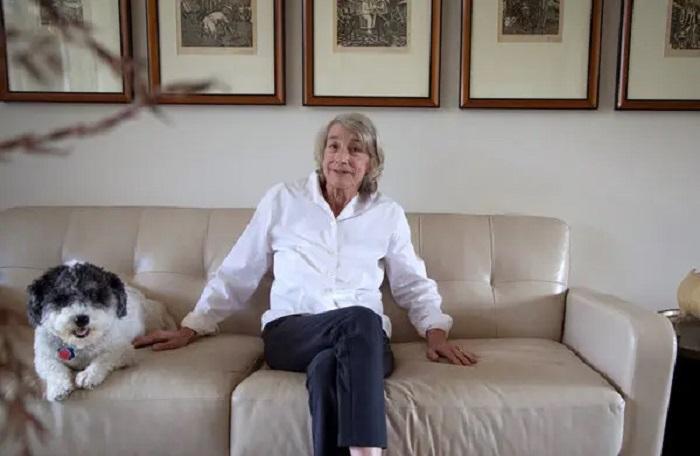
Mary Oliver is widely celebrated for a poetic voice that invites readers into a world shaped by attentiveness, reverence, and quiet awe. Her poems are often grounded in encounters with nature, yet their emotional and philosophical reach extends far beyond landscapes and wildlife. Through clear language and meditative observation, Mary Oliver explores joy and wonder as essential human capacities—qualities that arise not from excess or spectacle, but from presence, humility, and deep listening. Her work suggests that joy is not merely an emotion but a way of living, and wonder is not accidental but cultivated through sustained attention to the world.
Oliver’s poetry emerged during a period when much contemporary verse leaned toward irony, fragmentation, or confessional intensity. In contrast, her work offered a contemplative alternative, emphasizing stillness and gratitude. This approach did not ignore suffering or mortality; rather, it framed them as part of a larger, meaningful whole. By examining how Mary Oliver explores joy and wonder across her themes, imagery, and poetic stance, it becomes clear that her work proposes a philosophy of life rooted in awareness and love for the living world.
Joy and Wonder as Central Poetic Aims
From her earliest collections to her later works, Mary Oliver consistently returns to joy and wonder as guiding principles. These qualities are not presented as naïve optimism, but as responses earned through attention and acceptance.
Joy as a Way of Being
In Mary Oliver’s poetry, joy is rarely loud or celebratory. It is quiet, expansive, and enduring. Joy arises when the self steps out of habitual anxiety and into alignment with the rhythms of the natural world. This joy is not dependent on personal success or external validation but on the recognition of belonging within a larger ecosystem of life.
Joy, in this sense, becomes a form of wisdom. It reflects an understanding that life’s value lies in participation rather than control. By observing animals, plants, and landscapes living fully within their own nature, Oliver suggests that humans, too, can find joy by accepting their place in the world.
Wonder as Sustained Attention
Wonder in Mary Oliver’s work is not a fleeting moment of surprise but a sustained mode of perception. Her poems often linger over small details: the movement of a bird, the texture of water, the shape of grass in light. This lingering attention transforms ordinary scenes into sources of profound meaning.
Wonder, as Oliver presents it, requires patience. It asks the reader to slow down, to look again, and to resist the urge to categorize or dominate experience. Through this disciplined seeing, the world reveals itself as endlessly alive and worthy of reverence.
Nature as the Primary Source of Joy and Wonder
Nature occupies a central role in Mary Oliver’s poetry, functioning not merely as subject matter but as a teacher and spiritual presence.
Encounters With the Living World
Animals as Models of Being
Animals appear frequently in Mary Oliver’s poems, not as symbols to be decoded but as living beings embodying authenticity. Creatures such as geese, dogs, and birds are portrayed as fully present in their existence. Their lack of self-consciousness becomes a lesson in how to live with openness and trust.
Through these encounters, Oliver reveals wonder as relational. Joy emerges when the human observer recognizes kinship with other forms of life. This recognition dissolves isolation and replaces it with a sense of shared participation in the world.
Landscapes and the Sacred Ordinary
Fields, ponds, forests, and shorelines recur throughout Mary Oliver’s work. These landscapes are not romanticized backdrops but dynamic spaces where transformation occurs. By returning repeatedly to familiar places, Oliver demonstrates how wonder deepens through familiarity rather than novelty.
The sacredness of these places lies in their ordinariness. Oliver’s poetry suggests that wonder does not require exotic destinations; it is available wherever attention is given fully.
The Role of Attention and Stillness
Attention is perhaps the most important discipline in Mary Oliver’s exploration of joy and wonder. Her poems often emphasize stopping, listening, and waiting.
Stillness as an Ethical Practice
Stillness in Mary Oliver’s poetry is not inactivity but receptivity. By becoming still, the observer allows the world to speak on its own terms. This posture of listening counters a culture of constant motion and consumption.
Joy arises when the mind is no longer racing toward future outcomes. In stillness, the present moment becomes sufficient. Wonder follows naturally from this sufficiency, as the richness of what already exists comes into focus.
Language as an Extension of Attention
Mary Oliver’s language mirrors the attentiveness she advocates. Her diction is clear, precise, and unadorned. This simplicity is not a lack of depth but a deliberate choice that allows experience to remain unobscured.
Through carefully chosen words, Oliver preserves moments of wonder without overwhelming them. Language becomes a vessel for joy, holding experience gently rather than possessing it.
Mortality and the Deepening of Joy
Mary Oliver does not shy away from themes of death and impermanence. Instead, these themes intensify her exploration of joy and wonder.
Awareness of Finitude
Many of Oliver’s poems acknowledge the brevity of life. This awareness does not lead to despair but to heightened appreciation. Knowing that moments are fleeting makes them more precious.
Joy, in this context, becomes an act of honoring time. Wonder arises when each experience is recognized as unrepeatable. Mortality sharpens attention, encouraging fuller engagement with the present.
Acceptance and Peace
Mary Oliver’s treatment of death is marked by acceptance rather than resistance. This acceptance allows joy to coexist with sorrow. Wonder expands to include not only beauty but also loss, creating a holistic vision of life.
By integrating mortality into her poetic vision, Oliver suggests that joy is not the absence of pain but the presence of meaning.
The Human Self and the Letting Go of Ego
A recurring movement in Mary Oliver’s poetry is the diminishing of the ego. The self becomes smaller, not through negation, but through connection.
Self-Forgetfulness as Freedom
Joy often arrives in Oliver’s poems when the self dissolves into observation. Worries, ambitions, and self-judgments fall away in moments of pure attention. This self-forgetfulness is portrayed as liberating rather than diminishing.
Wonder flourishes when the need to define or assert the self is released. In these moments, the boundary between observer and observed softens, allowing a sense of unity to emerge.
Belonging to the World
Mary Oliver’s poetry consistently affirms belonging. Humans are not separate from nature but participants within it. This sense of belonging counters alienation and fosters joy rooted in connection.
Wonder becomes the recognition of this belonging—a quiet acknowledgment of shared existence across all forms of life.
Joy as a Moral and Spiritual Choice
Beyond emotion and perception, joy in Mary Oliver’s work carries ethical significance. It reflects a decision to live attentively and compassionately.
Living With Intention
Mary Oliver often frames life as a gift that requires conscious response. Joy emerges when life is lived deliberately, guided by curiosity and care. Wonder supports this intention by keeping perception fresh and responsive.
The Responsibility of Attention
To pay attention, in Oliver’s poetry, is a moral act. It honors the world by refusing indifference. Joy follows from this ethical engagement, as meaning arises through care.
Conclusion
Mary Oliver explores joy and wonder as intertwined dimensions of a meaningful life. Through attentive observation of nature, acceptance of mortality, and the quiet diminishing of ego, her poetry reveals joy as a sustainable way of being rather than a fleeting emotion. Wonder, in her work, is a discipline of perception that transforms the ordinary into the sacred. By inviting readers to slow down, look closely, and listen deeply, Mary Oliver offers not escapism but a profound engagement with reality. Her poetry continues to remind readers that joy is available in the present moment and that wonder arises wherever life is met with openness and reverence.
 French
 English
 Arabic
 Spanish
 Portuguese
 Deutsch
 Turkish
 Dutch
Dutch
 Italiano
 Russian
 Romaian
 Portuguese (Brazil)
 Greek
Greek