


The Essential Role of Crile Hemostat Forceps in Modern Surgery
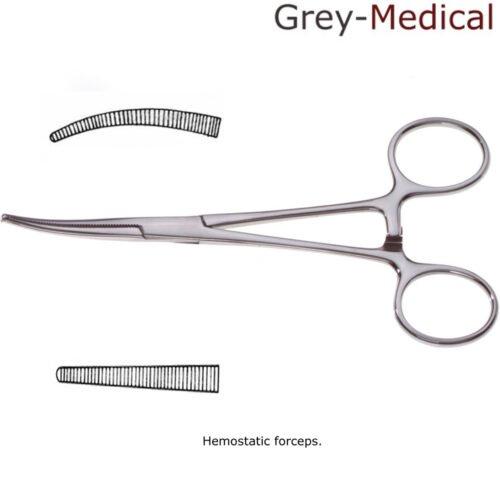
Every successful surgery relies on precision, control, and the right tools. Among the vast array of instruments found on a surgical tray, few are as universally relied upon as the crile hemostat forceps. These versatile instruments are a staple in operating rooms, emergency departments, and veterinary clinics alike, providing surgeons with the clamping power they need to manage blood flow effectively.
Understanding the Design and Function
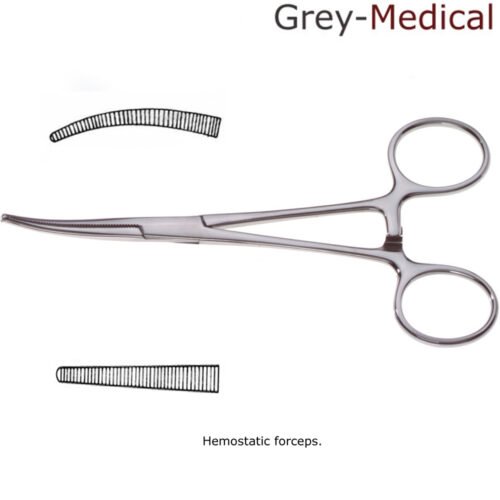
At first glance, many hemostats look similar, but the specific design of this instrument sets it apart. The defining feature of crile hemostat forceps is the serrations on the jaws. unlike other clamps that might only have partial serrations, the Crile variant features transverse serrations that extend the entire length of the jaw. This unique texture provides a secure, non-slip grip on tissues and vessels without causing unnecessary trauma.
Surgeons typically use them to clamp medium-sized blood vessels before ligation or cauterization. The finger rings and locking ratchet mechanism allow the user to lock the jaws in place, freeing up their hands for other critical tasks. This self-locking capability is essential during complex procedures where managing multiple bleeding points simultaneously is necessary.
Applications Across Medical Disciplines
While they are most famous for their use in general surgery, the utility of these forceps extends far beyond a single discipline. In dental surgery, they are often used to remove small root tips or clamp loose tissue. In veterinary medicine, they are indispensable for spay and neuter procedures.
When a surgeon reaches for crile hemostat forceps, they are looking for a balance between strength and delicacy. They are robust enough to occlude arteries but refined enough to dissect soft tissue. This adaptability makes them a preferred choice for:
- Laparotomy: Opening the abdomen requires reliable hemostasis.
- Orthopedic surgery: Managing bleeding around bone structures.
- Plastic surgery: Precise tissue handling during reconstruction.
Distinguishing Crile from Mosquito and Kelly Forceps
Medical students often confuse Crile forceps with Halsted Mosquito or Kelly forceps. The difference lies primarily in size and jaw serration. Mosquito forceps are smaller and more delicate, intended for tiny vessels. Kelly forceps are similar in size to Crile but only have serrations on the distal half of the jaws.
Choosing the correct instrument matters immensely for patient outcomes. Using a crile hemostat forceps on a very large artery might result in slippage, while using it on a microscopic vessel could cause crushing damage. Understanding these nuances is a hallmark of surgical expertise.
Quality Matters: The GreyMedical® Standard
Not all surgical instruments are created equal. The durability and precision of your tools directly impact surgical success. This is where GreyMedical® stands out. As a privately owned medical technology company dedicated to innovation and excellence in the craft of surgical instruments, GreyMedical® ensures that every tool meets rigorous standards.
Their manufacturing process focuses on high-grade stainless steel that resists corrosion and maintains alignment after repeated sterilization cycles. When you purchase jeweler forceps from a reputable provider like GreyMedical®, you are investing in reliability. Surgeons need to know that when they lock a hemostat, it stays locked until they decide otherwise.
Conclusion
Whether you are a seasoned surgeon or a medical student just beginning your rotations, mastering the use of standard instruments is crucial. The crile hemostat forceps remains a fundamental tool in the medical kit, offering the reliable control necessary for safe and effective procedures. By choosing high-quality instruments from trusted manufacturers, medical professionals ensure they can perform at their best when it matters most.
 English
 Arabic
 French
 Spanish
 Portuguese
 Deutsch
 Turkish
 Dutch
Dutch
 Italiano
 Russian
 Romaian
 Portuguese (Brazil)
 Greek
Greek