


How Chinese Animated Movies Combine Art, Music, and Narrative
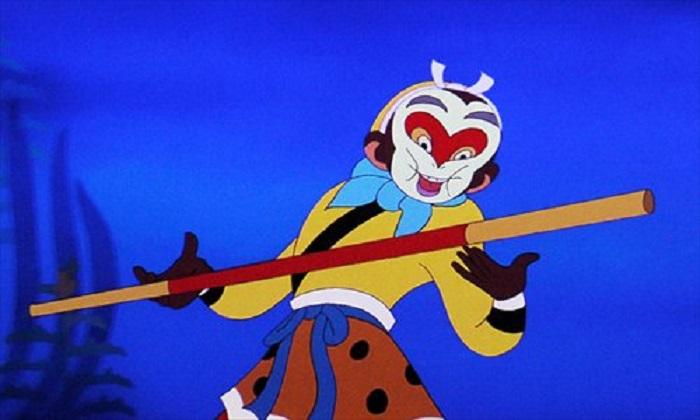
Chinese Animated Movies have emerged as a powerful and increasingly influential form of cinema, distinguished by their ability to blend visual artistry, musical expression, and narrative depth into unified cinematic experiences. Drawing from centuries-old artistic traditions while embracing modern animation technology, these films often transcend entertainment to become cultural expressions that reflect philosophy, history, and emotional values. By examining how art, music, and narrative interact within Chinese Animated Movies, we can better understand why they resonate so deeply with both domestic and international audiences.
The Artistic Foundations of Chinese Animated Cinema
Visual Roots in Traditional Chinese Art
One of the defining characteristics of Chinese Animated Movies is their strong connection to traditional visual art forms. Ink wash painting, calligraphy, paper cutting, and classical landscape painting often influence character design, background composition, and motion. Unlike the hyper-realistic or cartoon-heavy styles common in other animation traditions, Chinese animated films frequently embrace abstraction, symbolism, and minimalism.
This artistic approach is evident in films that draw inspiration from classical scroll paintings, where scenes unfold like living artworks. Mountains appear ethereal, clouds flow like brushstrokes, and environments are designed to convey mood rather than strict realism. The animation becomes an extension of traditional aesthetics, transforming still art into moving visual poetry.
Modern Technology Meets Ancient Aesthetics
While rooted in tradition, Chinese Animated Movies also make extensive use of contemporary animation techniques. Digital rendering, three-dimensional modeling, and advanced lighting allow filmmakers to enhance the depth and texture of traditional styles. Rather than replacing heritage aesthetics, technology amplifies them, allowing ancient art forms to reach modern audiences.
This balance between old and new is central to the visual identity of Chinese animation. The result is a cinematic language that feels timeless yet innovative, respectful of history while forward-looking.
Narrative Structures Shaped by Cultural Philosophy
Mythology, Folklore, and Moral Storytelling
Narrative in Chinese Animated Movies is often deeply connected to mythology and folklore. Stories of immortals, spirits, legendary heroes, and cosmic balance provide rich narrative frameworks. These tales are not simply fantastical adventures; they are vehicles for moral reflection, exploring themes such as duty, harmony, sacrifice, and self-discovery.
Unlike linear hero’s journey models common in Western animation, Chinese narratives frequently emphasize cyclical growth and internal transformation. Characters evolve through introspection and moral choice rather than conquest alone, reflecting philosophical influences from Confucianism, Daoism, and Buddhism.
Personal Identity Within a Collective World
Another narrative hallmark of Chinese Animated Movies is the tension between individual desire and collective responsibility. Protagonists often struggle to define themselves within the expectations of family, society, or cosmic order. This narrative focus creates emotionally layered stories that resonate with audiences navigating similar pressures.
Through animation, these internal conflicts are externalized using symbolic imagery and fantastical scenarios, making abstract emotional struggles visually and narratively engaging.
The Role of Music as Emotional Architecture
Traditional Instruments and Cultural Soundscapes
Music plays a crucial role in shaping the emotional tone of Chinese Animated Movies. Traditional instruments such as the guzheng, erhu, pipa, and dizi are frequently used to evoke historical depth and cultural identity. These sounds immediately situate the viewer within a distinctly Chinese auditory world.
Rather than functioning as background accompaniment, music often acts as an emotional guide. Melodies mirror the inner states of characters, rising gently during moments of reflection or swelling dramatically during scenes of conflict and revelation.
Fusion of Classical and Contemporary Styles
In many modern Chinese animated films, traditional music is blended with orchestral scoring or electronic elements. This fusion mirrors the broader artistic philosophy of combining heritage with innovation. Contemporary arrangements allow emotional peaks to feel grand and cinematic, while traditional motifs maintain cultural grounding.
Music thus becomes a bridge between eras, reinforcing the film’s thematic emphasis on continuity and change.
Interplay Between Art and Narrative
Visual Symbolism as Storytelling
In Chinese Animated Movies, visual design often carries narrative meaning. Colors, landscapes, and even weather conditions are used symbolically to reflect character development and thematic shifts. A desolate mountain may represent spiritual isolation, while flowing water can symbolize renewal and transformation.
This reliance on visual symbolism reduces the need for excessive dialogue, allowing stories to unfold through imagery. Viewers are invited to interpret meaning actively, engaging with the film on an emotional and intellectual level.
Character Design as Narrative Expression
Characters in Chinese animation are often designed to reflect their inner nature and narrative role. Heroes may possess fluid, graceful movements inspired by martial arts or dance, while antagonists are portrayed through heavier, more rigid forms. Clothing, posture, and motion all contribute to storytelling.
These artistic choices ensure that narrative and visual design remain inseparable, reinforcing each other throughout the film.
Music and Narrative Synchronization
Themes and Leitmotifs
Chinese Animated Movies frequently employ musical themes associated with specific characters or ideas. These motifs evolve alongside the narrative, changing in tone and instrumentation as characters grow or circumstances shift.
This technique strengthens emotional continuity, allowing audiences to subconsciously track character development through sound. Music becomes a narrative thread that binds scenes together.
Silence as a Musical Choice
Equally important is the strategic use of silence. Moments of quiet reflection, often paired with still or minimalist visuals, create space for contemplation. These pauses reflect traditional aesthetic values that emphasize balance and restraint.
Silence, in this context, is not an absence but an expressive element that enhances narrative depth.
Case Studies in Integrated Storytelling
Myth Reimagined Through Animation
Many notable Chinese Animated Movies reinterpret ancient myths through modern lenses. These films retain core narrative elements while exploring contemporary themes such as identity, freedom, and social change. The art style often reflects mythological origins, while music bridges ancient storytelling with modern emotional sensibilities.
This reimagining allows timeless stories to remain relevant, demonstrating the flexibility and power of animated storytelling.
Original Stories with Cultural DNA
Alongside myth-based narratives, original stories grounded in cultural values have also gained prominence. These films may not reference specific legends but still embody philosophical ideas through their narrative structure, visual style, and musical composition.
Such works illustrate that Chinese Animated Movies are not confined to historical material but are capable of generating new narratives that feel culturally authentic.
Global Reception and Cultural Translation
Universal Themes Through Cultural Specificity
One reason Chinese Animated Movies resonate internationally is their ability to communicate universal emotions through culturally specific expression. Love, loss, ambition, and redemption are themes understood worldwide, even when presented through unfamiliar symbols or myths.
Art and music serve as emotional translators, allowing audiences to connect with stories beyond linguistic or cultural barriers.
Influence on Global Animation
As Chinese Animated Movies gain visibility, their aesthetic and narrative approaches increasingly influence global animation trends. The integration of painterly visuals, philosophical storytelling, and culturally rooted music offers alternative models for animated cinema.
This growing influence highlights the importance of diversity in animation and storytelling.
Conclusion
Chinese Animated Movies represent a sophisticated fusion of art, music, and narrative, rooted in cultural heritage yet dynamically modern. Through visually symbolic artistry, emotionally resonant music, and philosophically rich storytelling, these films create immersive worlds that engage both heart and mind.
By harmonizing traditional aesthetics with contemporary techniques, Chinese Animated Movies demonstrate how animation can function as cultural expression, emotional exploration, and cinematic innovation simultaneously. Their success lies not in imitation, but in confident authenticity, offering audiences a deeply meaningful and visually captivating form of storytelling that continues to evolve and inspire
 French
 English
 Arabic
 Spanish
 Portuguese
 Deutsch
 Turkish
 Dutch
Dutch
 Italiano
 Russian
 Romaian
 Portuguese (Brazil)
 Greek
Greek