


Can Mass Flow Meters Be Used in Sanitary Food Processing Systems?
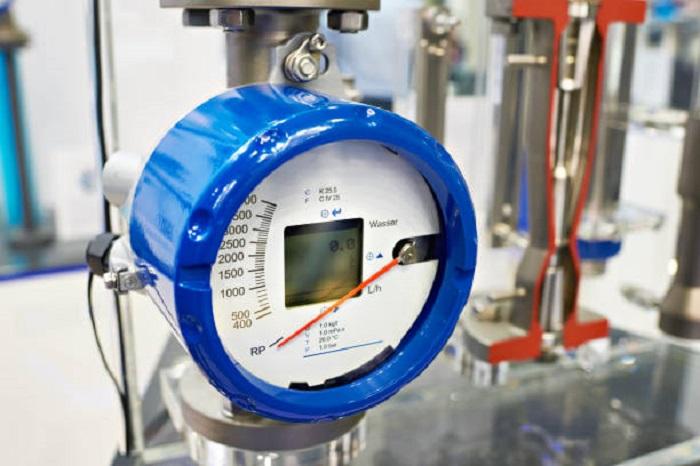
In modern food and beverage manufacturing, maintaining strict hygiene standards while achieving accurate process control is a constant challenge. Equipment must meet demanding sanitary regulations, withstand frequent cleaning, and still deliver reliable measurements under varying process conditions. As a mass flow meter expert, I am often asked whether mass flow meters are suitable for sanitary food processing systems. The short answer is yes, but the full explanation involves understanding design requirements, measurement principles, regulatory standards, and application-specific considerations. When properly selected and installed, mass flow meters can play a crucial role in ensuring product quality, safety, and process efficiency.
Understanding Sanitary Requirements in Food Processing
Sanitary food processing systems are designed to prevent contamination, microbial growth, and product degradation. These systems must comply with regulations such as FDA guidelines, 3-A Sanitary Standards, and European EHEDG recommendations. Equipment used in these environments must be cleanable, corrosion-resistant, and free of crevices where bacteria could accumulate.
Measurement devices are no exception. Any flow meter used in a sanitary process must be compatible with clean-in-place and sterilize-in-place procedures, tolerate aggressive cleaning chemicals, and maintain accuracy even after repeated thermal and chemical exposure. This sets a high bar for suitability, making the design and construction of the meter just as important as its measurement capability.
What Are Mass Flow Meters?
Mass flow meters measure the actual mass of a fluid flowing through a system rather than its volume. This distinction is critical in food processing, where density can change with temperature, pressure, or composition. By directly measuring mass, these instruments provide consistent and accurate data regardless of process variations.
Several types of mass flow meters are used in industry, including Coriolis, thermal, and differential pressure-based technologies. Among these, Coriolis mass flow meters are the most commonly applied in sanitary food processing due to their high accuracy, repeatability, and ability to handle a wide range of fluids.
Why Mass Flow Measurement Matters in Food Applications
Accuracy and Recipe Control
Food manufacturing often depends on precise ingredient ratios. Whether producing dairy products, beverages, sauces, or nutritional supplements, even small deviations in formulation can affect taste, texture, and shelf life. Mass flow meters allow manufacturers to measure ingredients by weight in real time, improving batch consistency and reducing waste.
Because mass flow measurement is not affected by density changes, it remains reliable when handling products that vary in temperature or composition. This makes mass flow meters especially valuable in processes involving syrups, oils, milk, and other complex food fluids.
Quality and Regulatory Compliance
Accurate measurement supports traceability and documentation, which are critical for food safety audits. Mass flow meters help ensure that products meet labeling requirements and regulatory specifications. This is particularly important when dealing with high-value ingredients or allergens, where precise control is essential.
Sanitary Design Features of Mass Flow Meters
A key factor in determining whether mass flow meters can be used in sanitary food processing systems is their hygienic design. Sanitary-rated mass flow meters incorporate features that align with food industry standards.
Smooth, Crevice-Free Flow Paths
Sanitary mass flow meters are designed with smooth internal surfaces that minimize the risk of product buildup. Welds are polished, and internal geometries are optimized to prevent dead zones where bacteria could grow. Surface finishes typically meet or exceed industry requirements, such as a low Ra value for internal wetted parts.
Hygienic Materials and Seals
Materials used in sanitary mass flow meters must be food-grade and resistant to corrosion. Stainless steel, particularly 316L, is commonly used for wetted components. Elastomers and seals are selected for compatibility with food products and cleaning chemicals, ensuring long service life without compromising hygiene.
Compatibility with CIP and SIP
Clean-in-place and sterilize-in-place procedures are standard in food processing. Mass flow meters intended for sanitary use are designed to withstand high temperatures, steam exposure, and aggressive cleaning agents. Their accuracy and structural integrity must remain stable even after repeated cleaning cycles.
Common Food Processing Applications for Mass Flow Meters
Liquid Food Products
Mass flow meters are widely used to measure liquids such as milk, cream, juice, beer, and liquid sweeteners. Coriolis meters are particularly effective in these applications because they can handle varying viscosities and provide additional measurements such as density and temperature.
Semi-Solid and Viscous Products
Products like yogurt, sauces, and chocolate present unique challenges due to their viscosity. Properly designed mass flow meters can measure these fluids accurately while maintaining sanitary conditions. Their ability to handle low flow rates and maintain precision makes them suitable for dosing and filling operations.
Ingredient Dosing and Blending
In blending systems, mass flow meters ensure accurate dosing of multiple ingredients. This is essential for maintaining consistent product quality and reducing rework. Their fast response time supports real-time control, enabling automated systems to adjust flows instantly.
Installation Considerations in Sanitary Systems
Even the best mass flow meters must be correctly installed to maintain sanitary integrity. Installation orientation, piping design, and connection types all play a role in ensuring hygienic operation.
Sanitary mass flow meters are often equipped with hygienic fittings such as tri-clamp or aseptic flanges. These connections facilitate easy removal for inspection while maintaining a clean process environment. Proper drainage and avoidance of low points in piping are also important to prevent liquid accumulation.
Limitations and Challenges
While mass flow meters are highly suitable for sanitary food processing, they are not without challenges. Initial cost can be higher compared to some volumetric flow meters. Additionally, certain products containing entrained air or large particulates may require careful evaluation to ensure reliable measurement.
However, advances in meter design and signal processing have significantly expanded the range of food applications that mass flow meters can handle. With proper selection and configuration, many of these challenges can be effectively managed.
Maintenance and Long-Term Performance
Sanitary mass flow meters are designed for durability, but regular inspection is still essential. Verifying calibration, checking seals, and monitoring performance trends help ensure long-term accuracy. Because these meters often have no moving parts, mechanical wear is minimal, contributing to their reliability in continuous food processing operations.
The Future of Mass Flow Measurement in Food Processing
As food manufacturers continue to automate and digitize their operations, the demand for accurate, hygienic measurement will only increase. Smart mass flow meters with digital communication capabilities are becoming more common, enabling integration with manufacturing execution systems and quality control platforms.
These developments further strengthen the case for using mass flow meters in sanitary food processing systems. Their ability to deliver precise, reliable data while meeting stringent hygiene requirements makes them a cornerstone of modern food production.
Conclusion
Mass flow meters can indeed be used effectively in sanitary food processing systems, provided they are specifically designed for hygienic applications. With smooth internal surfaces, food-grade materials, and compatibility with CIP and SIP procedures, sanitary mass flow meters meet the demanding standards of the food industry. Their ability to measure mass directly ensures accuracy, consistency, and regulatory compliance across a wide range of products.
For food manufacturers seeking to improve quality, reduce waste, and maintain strict hygiene, mass flow meters offer a powerful and reliable solution. When properly selected, installed, and maintained, they not only meet sanitary requirements but also enhance overall process performance and product integrity.
 French
 English
 Arabic
 Spanish
 Portuguese
 Deutsch
 Turkish
 Dutch
Dutch
 Italiano
 Russian
 Romaian
 Portuguese (Brazil)
 Greek
Greek