


What Is the Significance of the Red Sea in the Book of Exodus?
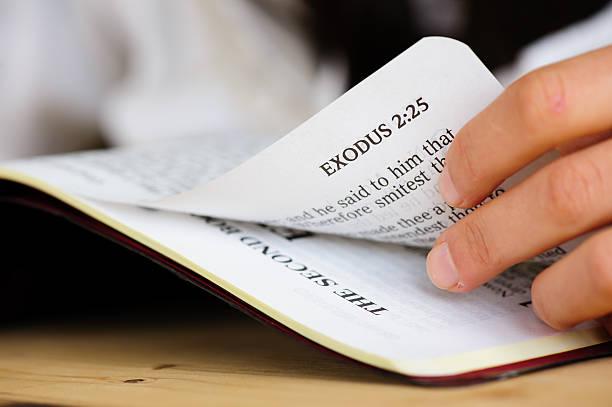
The crossing of the Red Sea stands as one of the most dramatic and theologically rich moments in the Book of Exodus. More than a miraculous escape narrative, the Red Sea event represents a decisive turning point in Israel’s identity, faith, and relationship with God. It marks the transition from slavery to freedom, from fear to trust, and from divine promise to visible fulfillment. Throughout Jewish and Christian tradition, the Red Sea has been remembered not simply as a historical event, but as a foundational symbol of salvation, deliverance, and divine power.
In the Book of Exodus, the Red Sea episode occurs at a moment of extreme vulnerability. The Israelites, newly freed from centuries of bondage in Egypt, find themselves trapped between an impassable body of water and the advancing army of Pharaoh. This setting intensifies the meaning of what follows. The sea becomes both a barrier and a pathway, a place of danger transformed into a means of redemption. Examining the significance of the Red Sea requires attention to its narrative role, theological symbolism, and lasting influence on biblical thought.
The Red Sea as a Narrative Climax in Exodus
From Liberation to Crisis
Before the Red Sea crossing, the Book of Exodus narrates God’s powerful acts through the plagues that compel Pharaoh to release the Israelites. These acts demonstrate divine supremacy over Egyptian gods and political authority. Yet liberation from Egypt does not immediately result in security or peace. Instead, the Israelites quickly encounter fear and uncertainty.
The Red Sea scene functions as the narrative climax of the first half of Exodus. Pharaoh’s decision to pursue the Israelites reveals the fragility of their freedom. At this point, the people question Moses’ leadership and even express regret at leaving Egypt. The crisis highlights that physical departure from slavery does not automatically produce inner freedom or faith.
The Sea as the Final Barrier
The Red Sea represents the last obstacle separating Israel from its former life. Until this moment, Egypt remains a looming threat. The sea blocks escape while the Egyptian army closes in, creating a situation where human solutions are impossible. This narrative tension sets the stage for divine intervention, emphasizing that Israel’s survival depends entirely on God.
In the Book of Exodus, this moment reinforces the idea that salvation is not achieved by human strength or strategy, but by trust in divine action.
The Red Sea as an Act of Divine Deliverance
God’s Power Over Nature and Empire
When God parts the Red Sea, the event demonstrates power over both nature and human authority. The waters, often associated in the ancient Near East with chaos and danger, are brought under divine command. The same sea that opens to provide a path for the Israelites closes over the Egyptian forces, ending their pursuit permanently.
This act reveals a central theological message of the Book of Exodus: God is supreme over creation and history. Pharaoh, who claims divine status within Egyptian culture, is decisively defeated not by military confrontation but by God’s command over the elements.
Salvation Through Trust and Obedience
The crossing of the Red Sea requires the Israelites to move forward into uncertainty. Walking between walls of water symbolizes an act of faith, even if that faith is hesitant. Moses’ role as mediator highlights obedience to divine instruction, as he acts according to God’s command rather than human logic.
The Book of Exodus uses this event to teach that salvation involves participation. God provides the way, but the people must choose to walk through it. This pattern becomes foundational for later biblical teachings about faith and obedience.
The Red Sea and the Formation of Israel’s Identity
From Slaves to a People Redeemed
The Red Sea crossing marks the moment when the Israelites fully cease to be slaves and begin to exist as a redeemed people. While the departure from Egypt initiates freedom, the destruction of the Egyptian army at the sea ensures it. There is no return to bondage once the waters close behind them.
In the Book of Exodus, this transformation is crucial. Israel’s identity is no longer defined by oppression but by deliverance. The people now belong to God in a new way, having witnessed divine power firsthand.
The Birth of Collective Memory
Immediately after crossing the Red Sea, the Israelites sing a song of praise, often called the Song of the Sea. This hymn celebrates God as a warrior and deliverer and becomes one of the earliest expressions of communal worship in Scripture.
The inclusion of this song in the Book of Exodus shows how the Red Sea event becomes embedded in Israel’s collective memory. It is remembered, retold, and celebrated as a defining act of God, shaping how future generations understand their origins and purpose.
Theological Symbolism of the Red Sea
Chaos Transformed Into Salvation
Water in biblical literature frequently symbolizes chaos, danger, and death. The Red Sea embodies these associations, especially given the Israelites’ fear and vulnerability. Yet God transforms this symbol of chaos into a means of salvation.
In the Book of Exodus, this transformation conveys a powerful theological message: God can turn the most threatening circumstances into instruments of deliverance. The sea does not simply part; it becomes a structured path, reinforcing the idea that God brings order out of chaos.
Judgment and Redemption Together
The Red Sea event uniquely combines judgment and redemption in a single act. The same waters that save the Israelites destroy the Egyptian army. This dual outcome highlights a recurring biblical theme: divine justice and mercy operate together.
Within the Book of Exodus, this moment underscores that God’s actions are not arbitrary. Deliverance for the oppressed comes alongside accountability for the oppressor. The Red Sea thus serves as a moral statement about God’s concern for justice.
The Red Sea as a Foundation for Faith
A Testimony for Future Generations
The significance of the Red Sea extends beyond the immediate narrative. Later biblical texts repeatedly reference this event as evidence of God’s faithfulness and power. It becomes a foundational testimony used to encourage trust during later crises.
In the Book of Exodus itself, the memory of the Red Sea is intended to sustain Israel during the wilderness journey. When the people face hunger, thirst, or doubt, they are reminded of what God has already done.
Learning to Trust Beyond Fear
Despite witnessing the miracle, the Israelites continue to struggle with fear and doubt throughout their journey. This tension reveals an important lesson: experiencing divine power does not instantly eliminate human anxiety.
The Red Sea serves as an invitation to grow in trust. The Book of Exodus presents faith as a process shaped by memory, reflection, and repeated reliance on God. The sea becomes a reference point for learning to trust even when circumstances appear hopeless.
The Red Sea in Broader Biblical Interpretation
A Pattern of Salvation
Later biblical writers interpret the Red Sea as a prototype of salvation. The movement from danger to safety, from bondage to freedom, becomes a pattern echoed in other narratives. The event shapes how deliverance is imagined throughout Scripture.
Within the Book of Exodus, this pattern establishes God as a redeemer who acts decisively on behalf of the vulnerable. This understanding influences prophetic literature, psalms, and theological reflection.
Spiritual and Symbolic Meaning
Beyond its historical significance, the Red Sea acquires symbolic meaning in religious interpretation. It represents transformation, new beginnings, and the passage from old life to new identity. This symbolism reinforces the enduring relevance of the Exodus story.
The Book of Exodus thus presents the Red Sea not merely as a past event but as an enduring symbol of hope, reminding believers that liberation is possible even in the most desperate circumstances.
Conclusion
The Red Sea holds profound significance in the Book of Exodus as the moment where God’s promise of deliverance becomes unmistakably real. It functions as a narrative climax, a theological statement, and a foundational experience for Israel’s identity. Through the crossing, the Israelites move from fear to freedom, from uncertainty to covenant relationship.
More than a miracle story, the Red Sea reveals the character of God as powerful, just, and faithful. It teaches that liberation often comes through trusting God in moments of greatest vulnerability. As a symbol of salvation, judgment, and transformation, the Red Sea remains central to understanding the message of the Book of Exodus and its lasting impact on biblical faith.

 English
 French
 Spanish
 Portuguese
 Deutsch
 Turkish
 Dutch
Dutch
 Italiano
 Russian
 Romaian
 Portuguese (Brazil)
 Greek
Greek