


How Do Coriolis Flow Meters Handle Viscosity Changes?
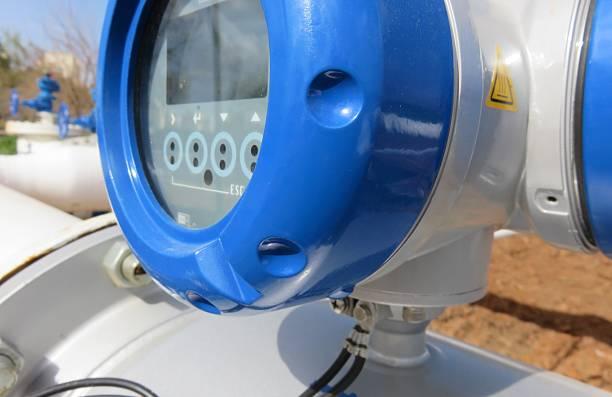
In industrial process measurement, viscosity is one of the most challenging fluid properties to manage. Many flow measurement technologies struggle when fluid viscosity varies, leading to inaccuracies, drift, or increased maintenance. In contrast, coriolis flow meters are widely recognized for their ability to maintain high accuracy even when viscosity changes significantly. This capability is one of the key reasons they are trusted across industries such as oil and gas, chemicals, food and beverage, pharmaceuticals, and specialty manufacturing.
This article explores how coriolis flow meters respond to viscosity changes, why their operating principle is inherently robust against such variations, and what practical considerations engineers should understand when deploying them in real-world applications.
Understanding Viscosity and Its Impact on Flow Measurement
What Viscosity Represents in Industrial Fluids
Viscosity describes a fluid’s resistance to flow. Low-viscosity fluids, such as water or light solvents, flow easily, while high-viscosity fluids, such as syrups, oils, or polymers, resist motion. In many industrial processes, viscosity is not constant and can change due to temperature, pressure, shear rate, or composition.
For flow meters that rely on velocity profiles or mechanical movement, viscosity changes can distort measurement accuracy. As viscosity increases, flow behavior becomes more complex, often transitioning from turbulent to laminar flow, which can severely affect volumetric measurement techniques.
Why Viscosity Challenges Traditional Flow Meters
Conventional flow meters such as turbine, paddlewheel, or differential pressure devices depend on fluid velocity or pressure drop. These parameters are highly sensitive to viscosity. Increased viscosity can cause sluggish mechanical response, excessive pressure loss, or inaccurate calibration assumptions.
Because of these limitations, industries handling fluids with variable viscosity often turn to coriolis technology for reliable measurement.
The Fundamental Operating Principle of Coriolis Flow Meters
Mass Flow Measurement Instead of Volume
The defining advantage of coriolis flow meters is that they measure mass flow directly, not volumetric flow. This distinction is critical when dealing with viscosity changes. Mass flow is independent of viscosity, density, pressure, and temperature, making it a far more stable and meaningful variable for process control.
Coriolis meters operate by vibrating one or more flow tubes at a natural frequency. As fluid flows through these vibrating tubes, Coriolis forces cause a measurable phase shift or twist in the tube motion. This deflection is directly proportional to the mass flow rate, regardless of how thick or thin the fluid is.
Why Viscosity Has Limited Influence
Because the measurement is based on inertial forces rather than fluid velocity profiles, viscosity has minimal direct impact on the accuracy of coriolis flow meters. Whether the fluid is watery or highly viscous, the mass flowing through the tube generates the same fundamental Coriolis effect.
This inherent independence from viscosity is the primary reason coriolis meters excel where other technologies fail.
How Coriolis Flow Meters Respond to Viscosity Changes
Damping Effects and Tube Vibration
While viscosity does not alter the mass flow measurement principle, it can influence the mechanical behavior of the vibrating tubes. Higher-viscosity fluids introduce additional damping, which reduces the amplitude of tube vibration.
Modern coriolis flow meters are designed to compensate for this damping automatically. Their drive systems adjust the excitation energy to maintain stable vibration, ensuring consistent measurement even as viscosity changes.
Signal Processing and Stability
Advanced digital signal processing plays a crucial role in handling viscosity variations. The electronics continuously monitor vibration frequency, phase shift, and damping characteristics. By separating the mass flow signal from damping-related effects, the meter maintains accuracy across a wide viscosity range.
This adaptive signal handling allows coriolis flow meters to operate reliably with fluids that change viscosity during startup, heating, cooling, or chemical reaction.
Density Measurement and Viscosity Interactions
Density as a Secondary Measurement
In addition to mass flow, coriolis flow meters can measure fluid density by analyzing the natural vibration frequency of the flow tubes. Density measurement is highly accurate and often used to infer concentration or composition.
Viscosity changes can slightly influence damping but have negligible effect on density measurement itself. This makes coriolis meters especially valuable in applications where both mass flow and density are critical process variables.
Indirect Viscosity Insights
Although coriolis flow meters do not measure viscosity directly, changes in damping behavior can sometimes be correlated with viscosity trends. Some advanced systems use this information for diagnostic or monitoring purposes, providing operators with early warnings of process changes.
Performance Across Low and High Viscosity Ranges
Handling Low-Viscosity Fluids
For low-viscosity fluids such as water, alcohols, or light hydrocarbons, coriolis flow meters deliver exceptional accuracy with minimal damping effects. The tube vibration remains highly responsive, and measurement uncertainty is extremely low.
In these applications, coriolis meters often outperform volumetric meters by eliminating the need for temperature and pressure compensation.
Measuring High-Viscosity Fluids
High-viscosity fluids, including heavy oils, syrups, resins, and slurries, pose no fundamental measurement challenge for coriolis flow meters. Their direct mass measurement principle remains valid regardless of flow regime.
The primary consideration in high-viscosity applications is ensuring sufficient pressure to move the fluid through the meter. Coriolis meters are designed with robust tubes and powerful drive systems to handle such conditions without loss of accuracy.
Installation and Design Considerations
Pressure Drop and Flow Resistance
Although coriolis flow meters handle viscosity changes well, high-viscosity fluids naturally create higher pressure drop. Proper meter sizing is essential to avoid excessive energy consumption or flow restriction.
Engineers typically select larger-diameter meters or specialized tube geometries when working with very viscous fluids to maintain acceptable pressure loss.
Orientation and Mounting
Viscosity does not significantly affect mounting orientation, but proper installation ensures consistent performance. Coriolis meters can be installed in horizontal or vertical orientations, depending on process requirements. For highly viscous or multiphase fluids, orientation may help prevent buildup or stagnation.
Correct installation supports stable vibration and long-term reliability.
Advantages Over Other Flow Meter Technologies
Consistency Without Recalibration
One of the major benefits of coriolis flow meters is that viscosity changes do not require recalibration. Once installed and configured, the meter maintains accuracy across a wide operating envelope.
This reduces maintenance effort and downtime compared to technologies that require frequent recalibration when fluid properties change.
Reliability in Dynamic Processes
Many industrial processes involve frequent changes in temperature, composition, or shear conditions that affect viscosity. Coriolis meters thrive in these dynamic environments because their measurement principle remains constant.
This reliability makes them ideal for batch processing, blending, dosing, and custody transfer applications.
Real-World Industrial Applications
Chemical and Pharmaceutical Manufacturing
In chemical and pharmaceutical plants, fluids often change viscosity during reactions or mixing. Coriolis flow meters provide consistent measurement throughout these transitions, supporting precise dosing and quality control.
Their hygienic designs also make them suitable for clean-in-place and sterilization processes.
Oil, Gas, and Energy Sectors
In oil and gas applications, viscosity can vary dramatically depending on temperature and composition. Coriolis meters are widely used for measuring crude oil, refined products, and additives because they maintain accuracy under changing viscosity and flow conditions.
Food and Beverage Processing
Products such as sauces, syrups, and dairy liquids exhibit wide viscosity ranges. Coriolis meters ensure consistent mass measurement, enabling accurate formulation and regulatory compliance.
Conclusion
Coriolis flow meters handle viscosity changes exceptionally well because their measurement principle is fundamentally independent of fluid viscosity. By directly measuring mass flow through inertial forces, they avoid the pitfalls that affect velocity-based and mechanical flow meters. Advanced drive systems, adaptive signal processing, and robust mechanical design allow coriolis meters to maintain accuracy across a wide viscosity spectrum.
For industries that demand precision, reliability, and minimal maintenance in the face of changing fluid properties, coriolis flow meters represent one of the most effective and future-proof flow measurement technologies available today.
 French
 English
 Arabic
 Spanish
 Portuguese
 Deutsch
 Turkish
 Dutch
Dutch
 Italiano
 Russian
 Romaian
 Portuguese (Brazil)
 Greek
Greek