


What Are the Defining Characteristics of Russian Composers' Musical Styles?
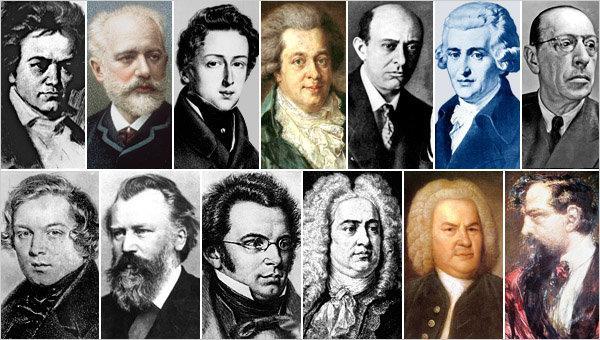
The musical legacy shaped by Russian composers occupies a singular place in the history of classical music. Emerging later than the established traditions of Germany, Italy, and France, Russian art music developed under unique cultural, political, and spiritual circumstances. As a result, the work of a Russian composer often reflects a powerful blend of national identity, emotional depth, folk influence, and innovative harmonic and orchestral language. These characteristics did not arise in isolation but evolved through centuries of interaction between Russia’s social history, religious traditions, and artistic ambitions. Understanding these defining traits offers insight into why Russian music continues to resonate so strongly with listeners around the world.
Historical and Cultural Foundations of Russian Musical Style
National Identity as a Central Artistic Goal
One of the most important defining characteristics of Russian composers is their strong emphasis on national identity. During the nineteenth century, many Russian musicians consciously sought to establish a musical language that reflected their own culture rather than imitating Western European models. This desire arose partly from a sense that Russia’s history, folklore, and worldview were fundamentally different from those of Western Europe.
As a result, Russian composers often embraced themes drawn from national history, literature, and mythology. Their music became a vehicle for expressing what it meant to be Russian, both culturally and emotionally. This focus on national character set Russian music apart, giving it a distinctive voice that could be immediately recognized even when written within traditional Western forms such as the symphony or opera.
Political and Social Influence on Musical Expression
Russian composers frequently worked under conditions of political pressure and social constraint. Whether under imperial rule or during the Soviet period, artists often faced censorship or ideological expectations. These realities shaped musical expression in profound ways. Music became a space where emotional truth, philosophical reflection, and even subtle resistance could be expressed without words.
This environment encouraged a tendency toward emotional intensity and dramatic contrast. Many works by a Russian composer convey a sense of struggle, tension, and resilience, reflecting the broader historical experience of the nation. Even abstract instrumental music often feels deeply human and narrative-driven, as though responding to forces beyond the purely musical.
Melodic Language and Folk Influence
Integration of Folk Music Traditions
A defining trait of Russian musical style is the extensive incorporation of folk music. Traditional Russian songs, dances, and chants provided composers with melodic material that differed significantly from Western European traditions. These folk melodies often rely on modal scales, uneven phrase structures, and distinctive intervals that lend Russian music its characteristic color.
Rather than merely quoting folk tunes, many Russian composers absorbed their essence into original compositions. The resulting melodies often feel organic and emotionally direct, creating a sense of authenticity and connection to everyday life. This deep relationship with folk traditions reinforces the national character that lies at the heart of Russian musical identity.
Vocal Quality and Expressive Melodicism
Another key melodic characteristic is the strong vocal quality found even in instrumental works. Russian music frequently features long, expansive melodic lines that resemble singing. This emphasis reflects the importance of vocal traditions in Russian culture, including folk singing and Orthodox church chant.
These melodies are often highly expressive, capable of conveying longing, sorrow, joy, or spiritual contemplation. The melodic focus contributes to the emotional immediacy of Russian music, making it accessible and deeply affecting even to listeners unfamiliar with its cultural background.
Harmonic Language and Emotional Depth
Bold Harmonic Choices and Chromaticism
Russian composers are known for their adventurous approach to harmony. While grounded in tonal systems, their music often features unexpected modulations, chromatic passages, and striking harmonic shifts. These techniques enhance emotional impact and create a sense of unpredictability that keeps listeners engaged.
Harmonic tension is frequently used to mirror psychological or dramatic conflict. Rather than seeking constant resolution, Russian music often lingers in ambiguity, allowing emotions to unfold gradually. This approach contributes to the intensity and depth that characterize much of the Russian repertoire.
Exploration of Darkness and Tragedy
Many works by a Russian composer confront darker aspects of human experience. Themes of fate, suffering, death, and existential struggle appear frequently, reflecting both historical realities and philosophical traditions. Minor keys and somber tonal colors dominate much of the music, creating an atmosphere of seriousness and introspection.
Importantly, this darkness is not merely pessimistic. It often serves as a pathway to catharsis or transcendence. Through music, Russian composers transform suffering into artistic meaning, offering listeners a sense of emotional release and understanding.
Orchestration and Sonic Power
Rich and Expansive Orchestral Textures
Another defining characteristic of Russian musical style is mastery of orchestration. Russian composers often favored large orchestras and made full use of their expressive potential. Low strings, brass, and percussion play a prominent role, contributing to the weight and power of the sound.
Orchestral color is treated as an essential expressive element rather than mere decoration. Shifts in timbre are used to shape mood, highlight drama, and support narrative development. This rich sonic palette enhances the emotional impact of Russian music and gives it a distinctive grandeur.
Dramatic Contrast and Dynamic Extremes
Russian music frequently employs sharp contrasts in dynamics, tempo, and texture. Sudden changes from quiet introspection to overwhelming intensity are common, reflecting a worldview that embraces emotional extremes. These contrasts heighten drama and create a sense of unpredictability.
Such techniques are particularly effective in large-scale works such as symphonies, operas, and ballets, where music functions as a form of storytelling. The listener is drawn into a dynamic emotional journey that mirrors the complexities of human experience.
Spiritual and Philosophical Dimensions
Influence of Orthodox Christian Traditions
The spiritual heritage of the Russian Orthodox Church has had a lasting influence on Russian musical style. Chant traditions, modal harmonies, and a sense of reverence and stillness can be heard not only in sacred music but also in secular works.
This spiritual influence contributes to a contemplative quality in Russian music. Silence, sustained tones, and gradual development are often used to evoke reflection and inner depth. Even when the subject matter is secular, the music may carry an underlying sense of solemnity and transcendence.
Music as Moral and Philosophical Expression
For many Russian composers, music was more than entertainment; it was a means of engaging with moral and philosophical questions. Their works often explore themes such as justice, freedom, responsibility, and redemption. This seriousness of purpose gives Russian music a sense of weight and significance that distinguishes it from lighter or purely decorative traditions.
Innovation and Individual Voice
Balancing Tradition and Experimentation
While deeply rooted in national tradition, Russian composers were also innovators. Across generations, they expanded musical language through new harmonic ideas, rhythmic complexity, and formal experimentation. This willingness to explore new territory ensured that Russian music remained dynamic and influential.
Each era produced composers who reinterpreted what it meant to be a Russian composer, blending inherited elements with contemporary ideas. This balance between continuity and change is a defining feature of Russia’s musical evolution.
Conclusion
The defining characteristics of Russian composers’ musical styles arise from a powerful convergence of history, culture, and artistic vision. Marked by national identity, emotional intensity, folk influence, harmonic boldness, and rich orchestration, the work of a Russian composer speaks with a voice that is both deeply personal and universally resonant. Through their music, Russian composers have created a tradition that confronts the full range of human experience, ensuring its enduring relevance and emotional power.
 Italiano
 English
 Arabic
 French
 Spanish
 Portuguese
 Deutsch
 Turkish
 Dutch
Dutch
 Russian
 Romaian
 Portuguese (Brazil)
 Greek
Greek