


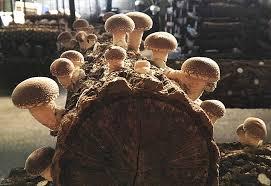
Introduction to the Rising Demand for Mycelium Materials
The mycelium market is witnessing a notable rise in demand as sustainability and circular economy principles gain prominence across industries. Mycelium, the fibrous root structure of fungi, is emerging as a viable biomaterial that aligns with environmental goals and resource efficiency. As businesses, governments, and consumers increasingly prioritize eco-friendly alternatives, mycelium-based materials are being recognized for their low environmental footprint, renewability, and ability to replace traditional materials that rely on fossil fuels or intensive resource extraction.
Mycelium and Its Role in the Circular Economy
One of the primary reasons behind the growing demand for mycelium is its strong alignment with circular economy models. Mycelium materials are produced using agricultural byproducts and organic waste, transforming low-value residues into functional products. This approach reduces waste, minimizes reliance on virgin resources, and supports closed-loop production systems. At the end of their lifecycle, mycelium-based products can biodegrade or be composted, returning nutrients to the soil rather than contributing to landfill accumulation. This regenerative lifecycle makes mycelium an ideal material for circular economy-driven industries.
Sustainability Goals Driving Market Adoption
Global sustainability commitments are playing a crucial role in increasing mycelium market demand. Companies across sectors are setting ambitious targets to reduce carbon emissions, eliminate plastic waste, and transition to renewable materials. Mycelium offers a practical solution by requiring significantly less energy to produce compared to conventional plastics, foams, and synthetic materials. Its lower carbon footprint and renewable nature make it an attractive option for organizations seeking to meet environmental, social, and governance objectives while maintaining material performance.
Increasing Demand Across Key Industry Verticals
Demand for mycelium-based materials is rising across several industries. In the packaging sector, mycelium is being adopted as a sustainable alternative to polystyrene and plastic foams due to its cushioning properties and compostability. The fashion and apparel industry is also driving demand through mycelium-based leather alternatives, which offer cruelty-free and environmentally responsible options for footwear, accessories, and garments. In construction, mycelium composites are being explored for insulation, acoustic panels, and interior design elements, supporting green building initiatives. The automotive sector is gradually evaluating mycelium for lightweight interior components and sound-dampening applications, further expanding market demand.
Consumer Awareness and Ethical Purchasing Behavior
Rising consumer awareness about environmental issues is significantly influencing the demand for mycelium materials. Modern consumers are more informed about the environmental impact of products and are increasingly choosing brands that demonstrate responsible sourcing and sustainable practices. Products made from mycelium resonate strongly with ethical consumers due to their natural origins and biodegradable properties. This shift in purchasing behavior is encouraging brands to integrate mycelium into their product lines as a way to build trust, enhance brand value, and differentiate themselves in competitive markets.
Technological Progress Supporting Market Growth
Technological advancements are strengthening the mycelium market by improving scalability, consistency, and material performance. Innovations in cultivation techniques, controlled growth environments, and post-processing methods allow manufacturers to customize mycelium properties such as density, strength, and texture. These developments make mycelium suitable for a wider range of applications and increase confidence among industrial users. As technology continues to evolve, production efficiency is expected to improve, further supporting rising market demand.
Regional Trends Influencing Demand Patterns
Regional dynamics are also shaping mycelium market demand. North America and Europe are currently leading adoption due to strong environmental regulations, higher consumer awareness, and robust investment in sustainable materials. These regions have well-established research ecosystems supporting bio-based innovations. Asia-Pacific is emerging as a high-growth region, driven by abundant agricultural waste, expanding manufacturing capabilities, and increasing government focus on sustainability. Emerging economies are recognizing mycelium’s potential to support local production, reduce waste, and create new economic opportunities within circular frameworks.
Challenges Impacting Demand Growth
Despite increasing interest, the mycelium market faces challenges that may influence demand growth. Production scalability remains a key concern, as maintaining consistent quality at industrial volumes requires precise control of growth conditions. Costs can be higher compared to traditional materials, particularly in early-stage production. Additionally, limited consumer familiarity with biological materials may slow adoption in some markets. Addressing these challenges through technological innovation, cost optimization, and education will be essential to sustaining long-term demand.
Future Demand Outlook for Mycelium-Based Materials
The future demand outlook for mycelium-based materials remains highly positive. As sustainability and circular economy trends continue to shape global material choices, demand for renewable and biodegradable alternatives is expected to grow. Continued investment, supportive policy frameworks, and increased collaboration between startups and established manufacturers will further accelerate market adoption. Over time, improvements in scalability and cost efficiency are likely to position mycelium as a mainstream material option across multiple industries.
Conclusion
Rising sustainability concerns and the global shift toward circular economy models are driving strong demand for mycelium-based materials. With its renewable nature, waste-reducing production process, and versatile applications, mycelium is increasingly viewed as a practical alternative to traditional materials. As industries continue to embrace eco-friendly innovation, the mycelium market is well-positioned to experience sustained demand growth and play a meaningful role in building a more sustainable and circular global economy.

 English
 Arabic
 French
 Spanish
 Portuguese
 Deutsch
 Dutch
Dutch
 Italiano
 Russian
 Romaian
 Portuguese (Brazil)
 Greek
Greek