


Making Sense of an Org Chart: A Practical Guide to Organizational Structure
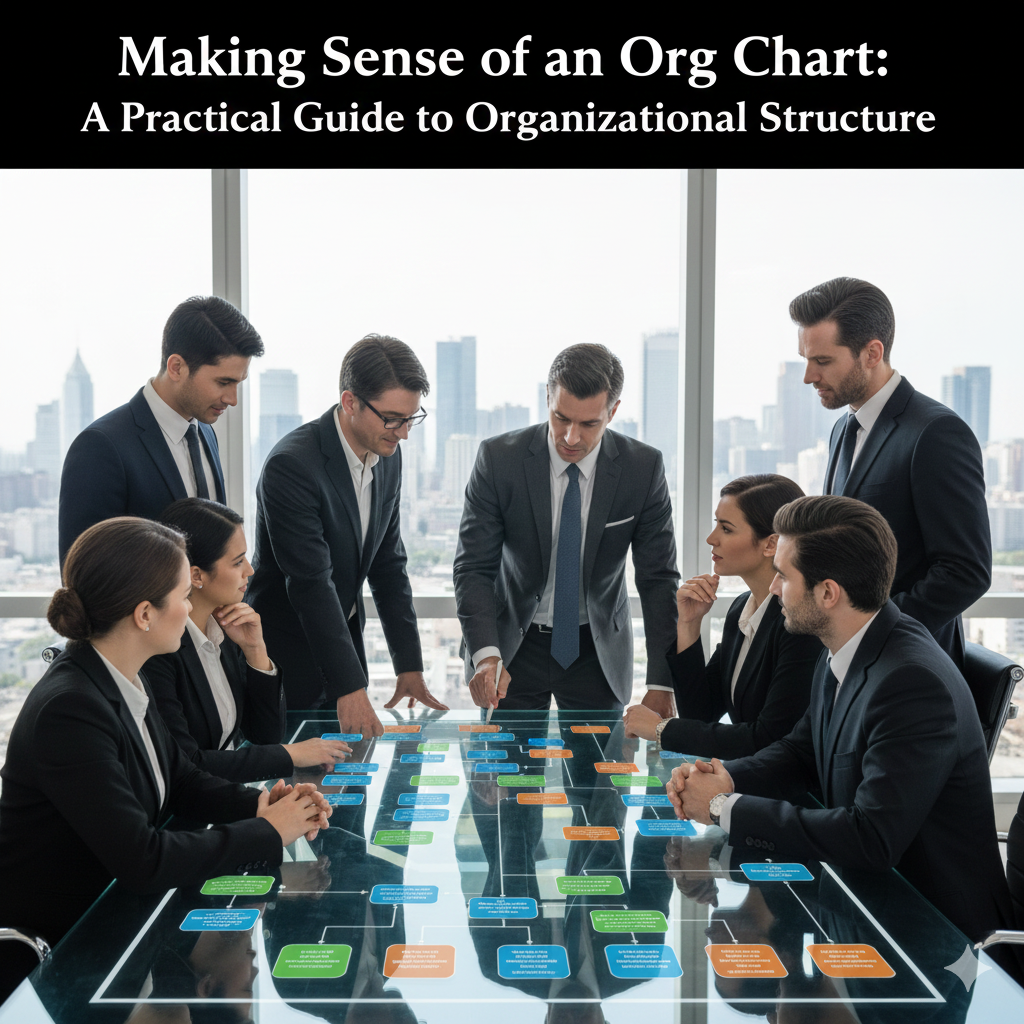
An org chart is one of the simplest tools used to explain how an organization works, yet it often gets overlooked or misunderstood. Whether you are a student, an employee, or someone trying to understand how a company functions, an org chart can provide valuable clarity. It visually explains who does what, who reports to whom, and how different teams connect with each other.
This article takes a practical, easy-to-follow look at the org chart. Instead of focusing on corporate jargon, it explains how org charts are used, why they matter, and how to read them in everyday situations.
What an Org Chart Is and Why It Exists
An org chart, short for organizational chart, is a visual representation of a company’s internal structure. It shows roles, departments, and reporting relationships in a clear and organized way.
At its core, an org chart exists to reduce confusion. In growing organizations, it becomes difficult to understand who is responsible for decisions or how information flows. The org chart brings order to that complexity by mapping out relationships in a structured format.
It is also a communication tool. Instead of relying on long explanations, leaders can use an org chart to quickly show how the organization is set up and how teams fit together.
Common Types of Org Charts
Hierarchical Org Chart
The most familiar format is the hierarchical org chart. This structure looks like a pyramid, with top leadership at the highest level and employees arranged in layers below.
In this type of org chart, authority and responsibility flow downward. Each role usually has one direct manager, which makes reporting lines easy to understand. This format is common in traditional businesses, government organizations, and large enterprises.
Flat Org Chart
A flat org chart has fewer management layers. Instead of multiple levels of supervisors, teams operate with more independence.
This structure often appears in startups or creative organizations where collaboration and quick decision-making are priorities. A flat org chart can encourage open communication, but it may also require strong self-management from employees.
Matrix Org Chart
The matrix org chart is more complex. Employees may report to more than one manager, such as a functional leader and a project manager.
This format is useful in organizations that work on multiple projects at the same time. While it offers flexibility, it can also create confusion if roles and responsibilities are not clearly defined.
Key Elements Found in an Org Chart
Roles and Job Titles
Every org chart begins with roles and job titles. These labels help identify responsibilities and areas of expertise.
Clear job titles make the org chart easier to read and reduce misunderstandings about who handles specific tasks.
Reporting Lines
Lines connecting roles show reporting relationships. These lines explain who supervises whom and how accountability is structured.
Understanding reporting lines is essential for effective communication and decision-making.
Departments and Teams
Many org charts group roles into departments such as finance, operations, marketing, or human resources. This grouping highlights how work is divided and coordinated.
In larger organizations, departments may be further divided into teams or units.
How an Org Chart Supports Daily Work
Clarifying Responsibilities
One of the biggest benefits of an org chart is clarity. When employees know where they fit, they understand their responsibilities and how their work contributes to broader goals.
This clarity reduces overlap and helps prevent tasks from falling through the cracks.
Improving Communication
An org chart shows the correct channels for communication. Employees can see who to contact for approvals, support, or information.
Clear communication paths help organizations operate more smoothly and avoid delays.
Supporting Onboarding and Training
For new hires, an org chart is a valuable learning tool. It provides a quick overview of the organization and helps new employees understand relationships and workflows.
This understanding can shorten the learning curve and build confidence early on.
Org Charts and Organizational Growth
Adapting to Change
As organizations grow, their org charts often change. New roles are added, teams expand, and leadership structures evolve.
Updating the org chart ensures that it remains accurate and useful. An outdated chart can create confusion and misalignment.
Reflecting Strategy
An org chart often reflects an organization’s priorities. For example, a company focusing on innovation may create dedicated research teams, while a customer-focused organization may emphasize service departments.
By studying an org chart, it is possible to gain insight into what the organization values most.
Challenges and Limitations of an Org Chart
Oversimplification
While an org chart is helpful, it cannot show everything. Informal relationships, cross-team collaboration, and workplace culture are not always visible.
Relying solely on an org chart can lead to an incomplete understanding of how work actually gets done.
Keeping It Updated
One common challenge is maintaining accuracy. Roles and responsibilities change over time, and outdated org charts can cause confusion.
Regular reviews help ensure the chart remains relevant.
Best Practices for Using an Org Chart
Keep It Clear and Simple
A good org chart is easy to read. Avoid overcrowding it with too much detail.
Clarity makes the chart more effective as a communication tool.
Use It as a Guide, Not a Rulebook
An org chart should guide understanding, not limit collaboration. Employees should feel free to communicate across teams when needed.
The chart provides structure, but flexibility keeps organizations dynamic.
FAQs About Org Charts
What is the main purpose of an org chart?
The main purpose of an org chart is to show how roles and responsibilities are structured and how reporting relationships work within an organization.
How often should an org chart be updated?
An org chart should be updated whenever there are significant changes in roles, teams, or leadership to keep information accurate.
Can small businesses benefit from an org chart?
Yes, even small businesses can use an org chart to clarify responsibilities and support future growth.
Does an org chart show decision-making authority?
An org chart can suggest where authority lies based on reporting lines, but actual decision-making may also depend on policies and culture.
Are org charts only used in large organizations?
No, org charts can be useful in organizations of any size, from startups to global enterprises.
 Deutsch
 English
 Arabic
 French
 Spanish
 Portuguese
 Turkish
 Dutch
Dutch
 Italiano
 Russian
 Romaian
 Portuguese (Brazil)
 Greek
Greek